Dental Dog Food: Does It Really Clean Your Dog's Teeth?
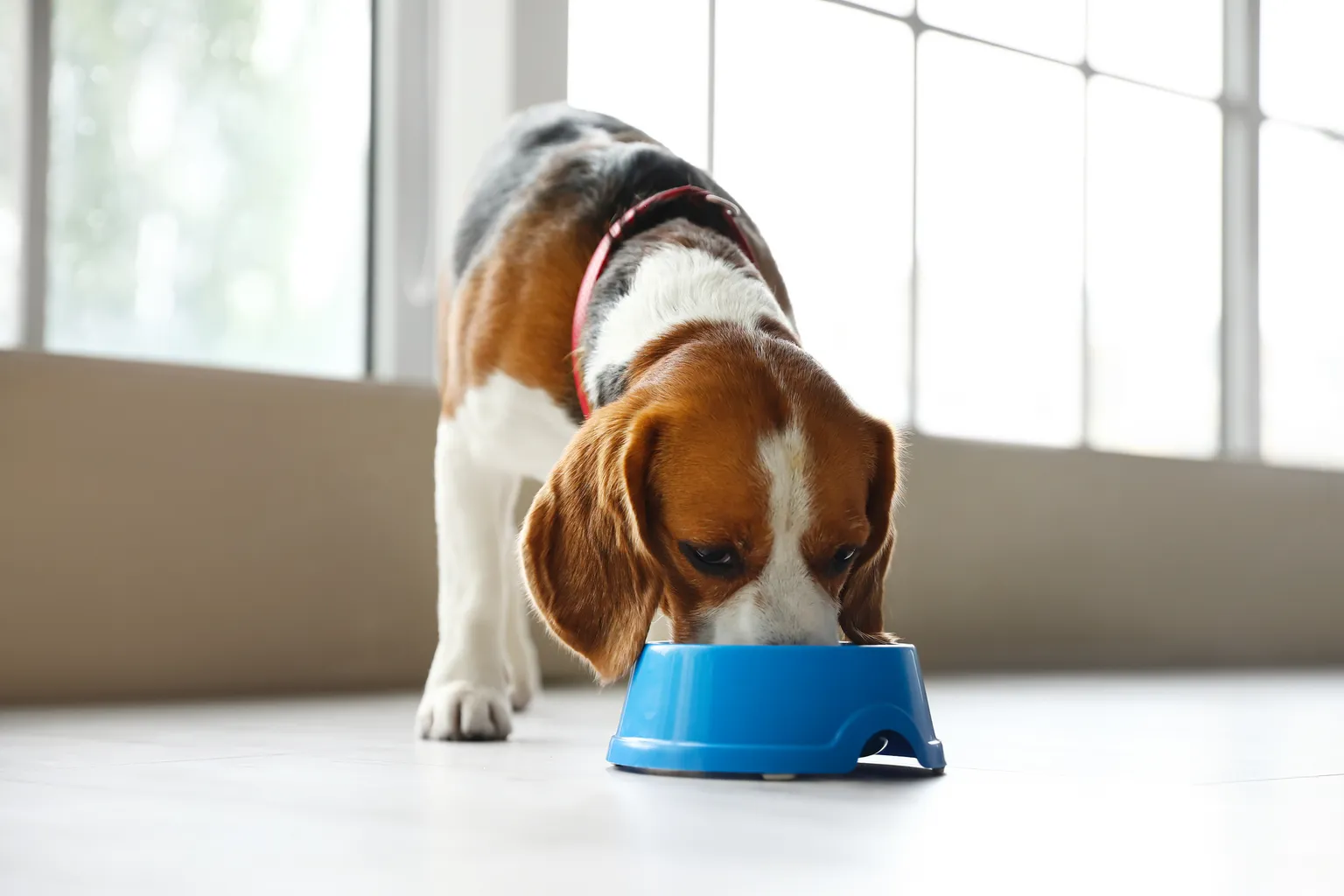
Quick answer: Some dental dog food can help slow plaque and tartar build-up, thanks to specially textured kibble that scrubs the teeth as your dog chews.
But, no food cleans teeth on its own. The best results come from pairing a dental diet with daily brushing, the right chews and regular vet check-ups.
You're thinking more about this for good reason. According to The American Kennel Club, 80% of dogs have dental issues by age 2. And what's even better for you, is that food is something you already control twice a day, so it makes sense to put it to work.
In this guide, we're breaking down what dental dog food actually is, what it can and can't do, how to spot a formula worth your money and what to feed a dog whose teeth are already in rough shape.
No hype, just practical answers you can use at your next trip to the pet store. Let's go...
What Is Dental Dog Food?
Dental dog food is a diet formulated to help reduce plaque and tartar on your dog's teeth. It's achieved by fortifying kibble texture, kibble size, adding ingredients or sometimes a combination of all three.
Most options are dry foods, but some are prescription diets are only available through your vet.
A true dental diet for dogs differs from standard kibble in a few key ways:
- Kibble size: Pieces are often larger than usual, which encourages your dog to actually chew rather than gulp.
- Kibble structure: A lot of formulas use a fiber matrix that holds together as the tooth sinks in, instead of shattering on contact.
- Added ingredients: Some foods include ingredients intended to help limit tartar formation, such as polyphosphates that bind calcium in saliva.
- Complete nutrition: A dental diet still has to meet your dog's full nutritional needs, so it's designed to be fed as a main meal, not a snack.
That last point matters.
Dental dog food isn't a treat or a topper. It works through repetition, meal after meal. It only helps if your dog eats it consistently.
It's also worth separating proven dental foods from foods that simply say "dental" on the bag. Dental claims on pet food vary widely in how much evidence sits behind them, so two bags with similar wording can perform very differently.
Does Dog Food Actually Clean Teeth?
Dog food that cleans teeth does exist, but its cleaning power is real and limited. The right food can help slow new plaque and tartar from forming, but it can't remove tartar that has already hardened on the teeth.

Here's how it works...
Plaque is a soft, sticky film of bacteria that builds up on teeth every day. If it isn't removed, minerals in saliva harden it into tartar, also called calculus, within days. Tartar gives bacteria a rough surface to cling to and that build-up near the gumline is what drives gum inflammation and, eventually, periodontal disease. This is what we don't want.
A dental kibble tackles plaque mechanically. When your dog bites down, the tooth sinks deep into the kibble before it breaks, and the fibrous texture wipes across the tooth surface on the way. Think of it like a squeegee versus a cracker: The cracker crumbles on contact, while the squeegee drags along the surface.
Standard kibble tends to behave like the cracker. It shatters at the tip of the tooth and offers little scrubbing action. That's why the old idea that dry food keeps teeth clean doesn't hold up for most regular kibbles.
Even the best dental dog food has three big limits:
- It mostly reaches chewing surfaces. The gumline, where dental disease starts, gets far less contact.
- It depends on chewing. Plenty of dogs, especially small or food-motivated ones, swallow kibble almost whole.
- It can't reverse existing tartar. Once tartar has formed, removing it properly takes a professional cleaning under anesthesia.
So yes, food can help. It just can't do the job alone.
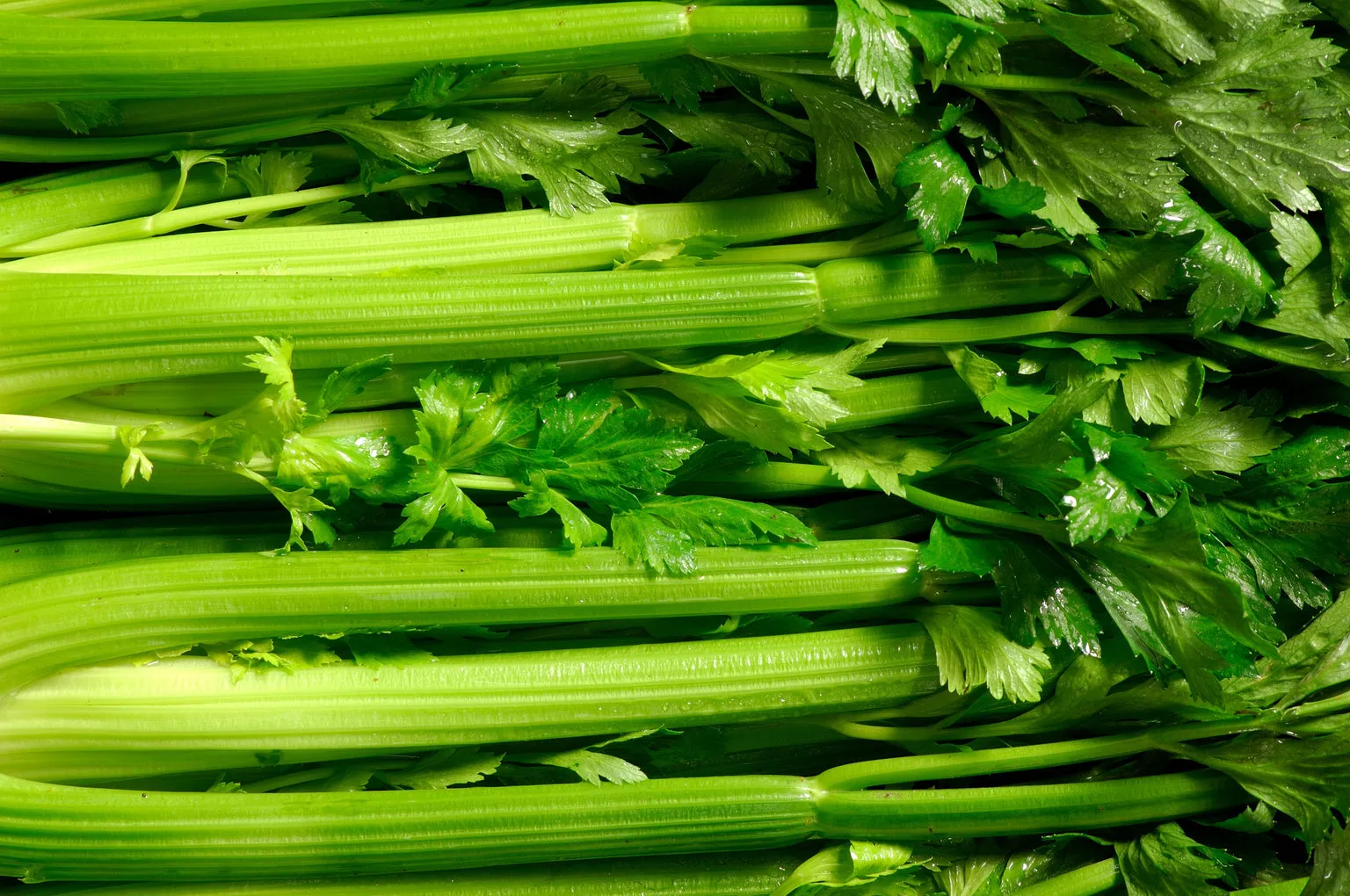
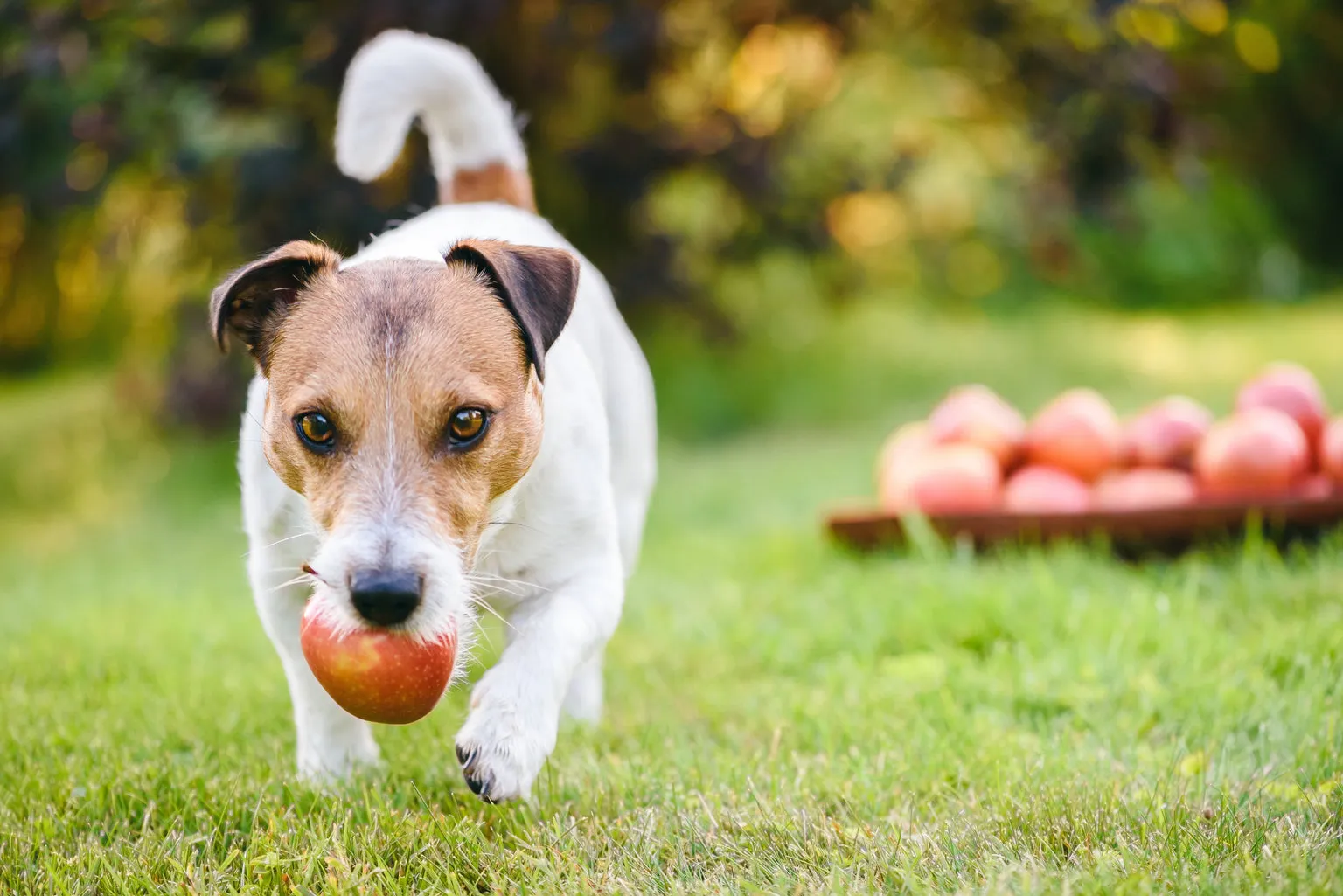
Some foods have a reputation for being better than others. Check out our guide to carrots for dogs teeth, apples for dogs teeth and celery for dogs teeth for the specifics.
Why Your Dog's Dental Health Matters
Dental disease isn't just about bad breath. As plaque and tartar build up, the gums can become inflamed, sore and prone to infection. Over time, the tissues and bone holding teeth in place can break down, leading to loose or lost teeth.
Dental pain can also change how your dog eats, plays and behaves, often so gradually that dog people don't notice until a vet points it out. Researchers have also explored links between advanced periodontal disease and health problems elsewhere in the body.
Keeping your dog's mouth healthy is one of the simplest ways to protect their overall comfort and quality of life.

The VOHC Seal: How to Choose the Best Dog Food for Dental Health
The best dog food for dental health is one with evidence behind its claims, and the simplest way to check is to look for the Veterinary Oral Health Council (VOHC) Seal of Acceptance.
The VOHC is an independent organization that reviews data from companies claiming their products help control plaque or tartar in dogs and cats. Products earn the seal only after submitting trial results that meet the council's standards.
The seal also tells you what the product was shown to help with, since some products are accepted for plaque, some for tartar, and some for both.
Several diets currently carry the VOHC seal. Check their accepted products page for more information. Just a small caveat; some of these are prescription diets, so your vet may need to authorize them.
When you're comparing bags, use this quick checklist:
- Look for the VOHC seal and check whether it covers plaque, tartar or both.
- Read the claim carefully. "Supports dental health" is vague. A specific claim backed by the seal means more.
- Check the feeding directions. Most dental foods are tested as a complete diet, so mixing a handful into regular food may not deliver the same benefit.
- Confirm it suits your dog. A dental formula still needs to fit your dog's age, size and any medical conditions.
- Ask your vet. They can look at your dog's mouth and tell you whether a dental diet makes sense or whether a cleaning needs to come first.
A food without the seal isn't necessarily useless, but the burden of proof is on the brand. When there's no data, treat bold dental claims with healthy skepticism.
How to Switch Your Dog to a Dental Diet

Once you've picked a dental food, switch gradually to avoid an upset stomach. Most vets suggest a transition over about a week, but if you're unsure, it's best to contact them for clearer guidance.
- Days 1 to 2: Mix about 25% new food with 75% of the old food.
- Days 3 to 4: Move to a 50/50 mix.
- Days 5 to 6: Serve 75% new food and 25% old food.
- Day 7: Feed the new diet on its own.
If your dog develops loose stools or loses interest in meals, slow the transition down. And remember, the kibble only helps if it gets chewed, so watch whether your dog crunches or gulps.
Wet vs. Dry: Which Is Better for Dental Health?
When it comes to dog food for dental health, dry food has a modest edge over wet food, but only purpose-built dental kibble offers meaningful mechanical cleaning. The real divide isn't wet versus dry; it's dental formula versus everything else.
Here's how the main options compare:
Wet food
Texture: Soft, no scraping.
Residue risk: Higher.
Cleaning action: None.
Standard dry kibble
Texture: Shatters at the tooth tip.
Residue risk: Moderate.
Cleaning action: Minimal.
Dental kibble
Texture: Holds together as the tooth sinks in.
Residue risk: Lower.
Cleaning action: Moderate, mostly on chewing surfaces.
Fresh or raw diets
Texture: Varies widely.
Residue risk: Varies.
Cleaning action: Not well studied.
If you're searching for the best dry dog food for dental health, the VOHC seal is still your best filter. Among dry foods, texture and testing matter far more than brand, price or marketing language.
Does that mean you should switch your wet-food lover to kibble? Not necessarily. Many dogs eat wet food for good reasons: Picky appetites, hydration needs, age or dental pain that makes crunching uncomfortable. Forcing a change can create more problems than it solves.
A better approach is to keep the food your dog does well on and build dental habits around it. Brushing, chews and a daily dental supplement can all fill the gap that wet food leaves behind. We'll cover those options further down.
What to Feed a Dog With Bad Teeth
If your dog already has bad teeth, the goal shifts from cleaning to comfort. Dogs with painful, loose or missing teeth usually do best on soft food that's easy to chew, not hard dental kibble.

This is where a lot of well-meaning dog people get tripped up.
Crunchy dental food is designed for mouths healthy enough to chew it. For a dog with advanced dental disease, hard kibble can hurt.
Signs your dog is struggling include: Chewing on one side, dropping food, eating slowly, pawing at their mouth or walking away from a full bowl.
Good options for dogs with bad teeth include:
- Wet or canned food, which needs very little chewing.
- Kibble softened in warm water for 10 to 15 minutes until it's mushy.
- Small-bite soft dry formulas, which keep the convenience of kibble with less crunch.
- A mix of wet and softened dry food to keep meals interesting.
Senior Dogs With Bad Teeth
Finding the best dog food for senior dogs with bad teeth means balancing two needs: A soft texture and senior nutrition. Older dogs often need fewer calories, highly digestible protein, and nutrients that support aging joints.
Look for a senior formula in a wet or soft texture, or soften a senior kibble you already trust.
Small Dogs With Bad Teeth
Small breeds are usually more prone to dental disease, largely because their teeth are crowded into small jaws. This isn't the case for all breeds, but a proportion. A soft dry dog food for small dogs with bad teeth, that comes as tiny, tender pieces, can make mealtimes easier without switching fully to wet food.
Whatever you choose, food is only half the answer. A dog with bad teeth needs a veterinary dental exam, because softer food makes eating easier but doesn't treat infection, pain or damaged teeth.
Foods and Add-Ons That Support Your Dog's Teeth
Choosing dog food for teeth health is a great start, but a few simple additions can make your dog's bowl work even harder.
Crunchy veggies

Some owners offer raw vegetables as low-calorie, crunchy snacks. They're a healthy treat, but their cleaning effect is often overstated.
Dental chews
Chews designed for dental health, especially VOHC-accepted ones, add chewing time and mechanical action. Choose a size your dog can't swallow whole and always supervise.
Dental powders and toppers
Powders sprinkled over food are one of the easiest ways to add daily dental support, because they fit into the routine you already have. No brushing battles, no extra step.
For more information, read our article on does dog dental powder work.
Water additives
These go straight into the water bowl. Look for a VOHC seal here too, and introduce them slowly, since some dogs notice the change.
Dental Dog Food Is One Layer of a Complete Routine
The strongest dental routine layers several habits, because no single product reaches every surface of your dog's mouth. Adult dogs have 42 teeth and puppies have 28 and each one needs attention.
Think of dental dog food as one layer, not the whole plan.
Here's what a complete routine looks like:
- Brush daily. Toothbrushing is still the gold standard for at-home care, because bristles reach the gumline. Use a dog-safe toothpaste, never human toothpaste, which may contain xylitol, an ingredient that's toxic to dogs.
- Feed smart. Choose a dental diet if it suits your dog or soften food if their teeth need it.
- Add daily support. A dental chew, powder or water additive helps fill the gaps on days when brushing doesn't happen.
- Book regular checkups. Your vet should examine your dog's mouth at least once a year and recommend professional cleanings as needed.
If brushing sounds like a wrestling match, start small. Let your dog lick toothpaste off your finger, then graduate to touching their teeth, then a finger brush, then a real brush, over a week or two.
Keep sessions short and always end with praise.
How to Tell If Your Routine Is Working
Lift your dog's lip every week or two and take a quick look. Healthy gums are usually pink and firm and teeth should stay free of new yellow or brown build-up.
Fresher breath is another good sign. Snap a photo each month so you can compare, and share it with your vet at the next check-up.
When to See a Vet About Your Dog's Teeth
Book a vet visit if you notice any signs of dental disease, because food and home care can't treat problems that have already developed.
Watch for:
- Persistent bad breath.
- Red, swollen, or bleeding gums.
- Yellow or brown buildup along the gumline.
- Loose, broken, or missing teeth.
- Drooling, pawing at the mouth, or chewing on one side.
- Dropping food or a sudden loss of appetite.
- Facial swelling, especially below the eye.
Gum changes deserve extra attention. Our guide to inflamed gums in dogs explains what red or swollen gums can mean, and if breath is your main worry, see whether bad breath is a sign of illness.
Many dental problems hide below the gumline, where you can't see them. That's why vets often recommend dental X-rays during a professional cleaning. Catching problems early usually means simpler treatment and a more comfortable dog.
FAQs
Does dental dog food actually clean teeth?
Some dental dog food can help reduce plaque and tartar build-up, but only certain formulas are designed and tested to do it. Dental dog food typically uses larger kibble with a fibrous texture that doesn't shatter on the first bite, so the tooth sinks in and the kibble wipes the surface as your dog chews.
Some formulas also add ingredients that help limit tartar formation. Standard kibble crumbles too quickly to offer much cleaning action. To check whether a food's dental claims have been independently reviewed, look for the Veterinary Oral Health Council (VOHC) Seal of Acceptance on the product packaging.
Is wet or dry food better for dog teeth?
Dry food is generally the better option for dog teeth, but the difference is smaller than most dog people expect. Regular dry dog food offers only light mechanical scraping, because most kibble breaks apart before it reaches the gumline. Wet food doesn't scrape at all and can leave more residue on teeth, which may contribute to plaque over time.
The real advantage comes from purpose-built dental dog food with a textured kibble, not dry food in general. If your dog prefers wet food, you don't need to switch; simply pair their meals with daily brushing or a vet-approved dental add-on instead.
What should dogs with bad teeth eat?
Dogs with bad teeth usually do best on soft foods that are easy to chew, such as wet food, softened kibble or small-bite soft dry formulas. Choosing the right dog food for dogs with bad teeth matters because painful, loose or missing teeth can make hard kibble uncomfortable, which may lead to dropped food or skipped meals.
Senior dogs and small breeds are especially prone to dental disease. Soaking kibble in warm water for ten minutes is a simple fix.
Just as important, book a veterinary dental exam, because food changes make eating easier but won't treat the underlying problem.
How long does dental dog food take to work?
Most dogs need several weeks of consistent feeding before any change in plaque or tartar becomes noticeable and results vary from dog to dog. Dental dog food works gradually because it helps slow new build-up rather than removing hardened tartar that's already there.
That's why vets often recommend a professional cleaning first, so the food can help maintain a cleaner starting point.
Feeding it as your dog's main diet, not an occasional treat, gives the kibble the most chances to work. Check your dog's teeth and breath every couple of weeks, and ask your vet to assess progress at check-ups.
Can dental dog food replace brushing?
No, dental dog food shouldn't replace brushing, but it can be a useful part of a complete oral care routine. Daily toothbrushing remains the most effective at-home way to remove plaque, because the bristles reach the gumline where dental disease starts.
Dental dog food mainly works on chewing surfaces, and many dogs swallow kibble with very little chewing at all.
The strongest routine layers several habits: Brushing, a dental diet or daily dental supplement, appropriate chews, and regular vet check-ups. If brushing is a struggle, start slowly with short sessions and ask your vet which alternatives best suit your dog.
To Sum Up
Dental dog food can be a helpful part of your dog's oral care, especially formulas with a VOHC seal and kibble designed to scrub as your dog chews. But food alone can't clean teeth completely or reverse tartar that's already there.
Dogs with bad teeth need soft, comfortable food and a vet exam, not tougher kibble. For the healthiest smile, pair the right food with daily brushing, simple add-ons like a dental powder, and regular checkups.