Dog-Specific Toothpaste: What It Is and Why Human Toothpaste Isn't Safe
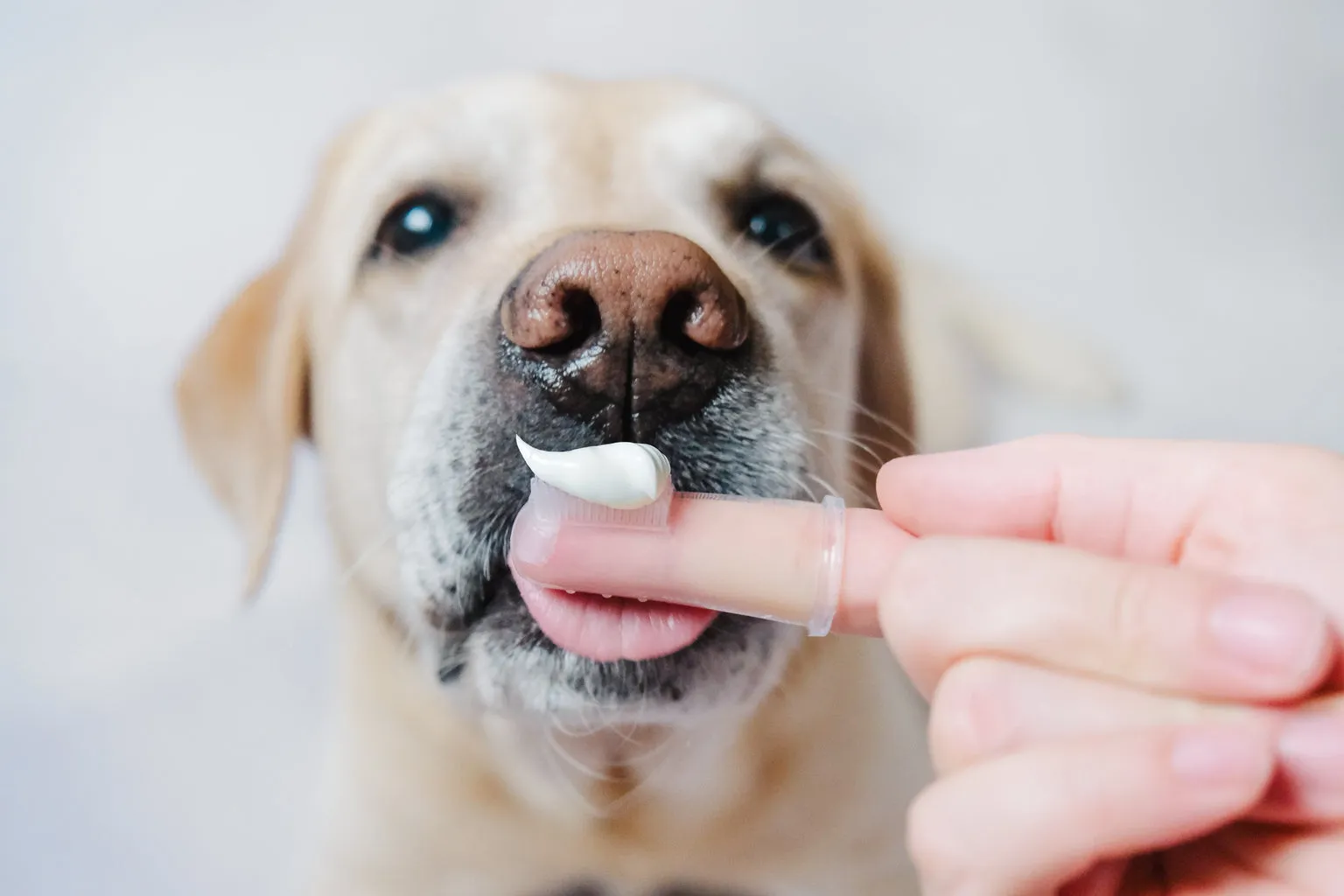
Dog-specific toothpaste is formulated without fluoride or xylitol, made to be safely swallowed since dogs can't rinse and spit and flavored to make brushing something your dog tolerates instead of fights. Human toothpaste fails on all three counts, which is why it's never a safe substitute.
Here's what actually makes a toothpaste "dog-specific," what to look for when choosing one, and how to get a reluctant dog to accept it.
Why Human Toothpaste Is Dangerous for Dogs
Human toothpaste is built around two assumptions that don't hold for dogs: That the paste gets rinsed and spat out, and that the person using it isn't going to swallow much of it. Dogs do neither.

Two ingredients make this a real safety issue rather than just a preference:
- Xylitol. Common in "natural" or sugar-free human toothpaste, xylitol is toxic to dogs even in small amounts, triggering a dangerous drop in blood sugar. Always check the ingredient label – it hides under names like "birch sugar" on some products.
- Fluoride. Safe for humans at toothpaste concentrations because we spit it out, but not meant to be swallowed repeatedly in the quantities a dog would ingest over a full brushing.
Beyond the safety issue, human toothpaste also foams, which most dogs find unpleasant and will fight against – making an already difficult habit even harder to build.
What Makes a Toothpaste "Dog-Specific"?
A genuinely dog-specific toothpaste is built around three things human toothpaste isn't:
- Swallow-safe formulation. No fluoride, no xylitol, no foaming agents – designed for a mouth that won't rinse and spit.
- Enzymatic action. Many dog toothpastes use enzymes (like glucose oxidase) that work with your dog's saliva to help break down plaque on the tooth surface, rather than relying purely on mechanical brushing.
- Dog-friendly flavoring. Poultry, beef, and peanut butter flavors are common specifically to make dogs want the toothpaste rather than avoid it – a meaningful factor in whether brushing actually happens consistently.

The "enzymatic" label is worth understanding rather than just looking for on a package: It's a functional ingredient choice, not a marketing term, and it's part of why brushing with the right paste does more than brushing with plain water.
What to Look For in a Dog-Safe Toothpaste
When comparing options, a few criteria matter more than brand or price:
- No xylitol, fluoride, or artificial sweeteners – check the ingredient list, not just the front label.
- Enzymatic formula for actual plaque-breakdown support, not just flavor and foam.
- A flavor your dog will tolerate. The best toothpaste is the one your dog will actually let you use – poultry and peanut butter tend to have the highest acceptance rates.
- Age-appropriate formulation. Puppy formulas are typically gentler; check that a product is labeled safe for your dog's life stage.
- VOHC acceptance where available, which indicates the product has been evaluated for plaque or tartar control claims.
A toothpaste is one part of a routine – it works best paired with a soft-bristled brush or finger brush, not used alone by squeezing it onto a chew toy.
How to Introduce Toothpaste to a Dog That Resists Brushing
Most brushing resistance comes from the process feeling unfamiliar, not from the dog disliking clean teeth. A gradual introduction usually works better than forcing a full brushing session on day one:
- Let your dog lick a small amount of toothpaste off your finger for a few days with no brush involved, so the flavor becomes a positive.
- Once they're comfortable, use your finger (or a finger brush) to rub the paste along the outside of the teeth and gums, still with no real brushing motion.
- Introduce a soft-bristled toothbrush once your dog accepts finger contact, starting with just a few teeth rather than a full mouth.
- Keep sessions under a minute at first, ending on a positive note before your dog gets frustrated.
- Build up to full daily brushing over one to two weeks rather than expecting immediate compliance.
Dogs that fight brushing from the first attempt with a toothbrush rarely improve quickly – starting with taste, not tool, gets better long-term results.
Toothpaste Alone Isn't Enough
Toothpaste is the foundation of a dental routine, not the whole routine. Even the best enzymatic formula only works on plaque that's still soft – once it hardens into tartar, brushing can't remove it. See our guide on removing tartar from dog teeth.
For days brushing doesn't happen, a dental powder sprinkled on food is a lower-effort way to keep supporting your dog's teeth between brushings.

FAQs
Is human toothpaste safe to use on dogs?
No, human toothpaste is definitely not safe for dogs. Human toothpaste often contains something called xylitol, which is toxic to dogs, and fluoride, which isn't meant to be swallowed in the amounts a dog would ingest during the time they're eating it.
Dogs also can't rinse and spit like humans can, so anything left in their mouth gets swallowed. There's a high chance that they'd swallow the xylitol and the fluoride. Always use a toothpaste made specifically for dogs, because that's the safest approach. It's important to check the label for xylitol under any name, including "birch sugar." That can often be a trickier one to figure out.
What does "enzymatic" mean in dog toothpaste?
Enzymatic dog toothpaste is a type of toothpaste that contains enzymes (proteins that speed up chemical reactions). It's usually called, glucose oxidase, and it works alongside your dog's saliva to help break down plaque and bacteria on the tooth surface. It's a pretty important process to keep dog teeth and gums clean and healthy. It essentially helps facilitate the breakdown of build-up for dogs.
As humans, we can spit the toothpaste out and swirl around and brush our own teeth. With dogs, they can't do the same. It gives the toothpaste a chemical assist beyond what brushing alone accomplishes, which is why enzymatic formulas are the standard recommendation over basic pastes.
What should I look for in a dog-safe toothpaste?
When looking for dog toothpaste, check the ingredient list for the absence of xylitol, fluoride, and artificial sweeteners first. That's the safety check. After this, look for an enzymatic formula, a flavor your dog will be able to eat (poultry and peanut butter are common favorites), and an age-appropriate label if you have a puppy or senior dog. That's all key.
For dogs that are really not into brushing, a dental powder can work as an alternative to toothpaste when a full brushing routine isn't realistic. See our guide on how to clean your dog's teeth for a full routine.
Can I use baking soda instead of dog toothpaste?
No, using plain baking soda isn't usually recommended as a way to clean your dog's teeth if you're looking for a toothpaste substitute. While it's non-toxic in small amounts, it also doesn't include the enzymatic plaque-fighting action of a dog tooth paste that's designed specifically to target dog plaque and tartar.
If a dog swallows larger amounts, it can upset your dog's stomach and disrupt normal digestion. That's never the goal. A dog-specific enzymatic toothpaste is a safer and more effective choice when it comes to cleaning teeth, reducing build-up and creating a more balanced oral environment for your dog.
How often should I brush my dog's teeth with dog toothpaste?
The recommended frequency of brushing your dog's teeth is everyday. Why? Because leftover food can sit on the teeth and form plaque quickly. This plaque then starts to harden and turn into tartar within 24-72 hours. If you brush daily, you'll be able to maintain the build-up that's accumulated throughout the day and keep a regular eye on it.
If daily brushing isn't realistic, aim for at least 3–4 times a week and supplement with a dental chew or dental powder on the other days where your dog isn't tolerating brushing. A combined approach can still be a pretty effective routine.
To Sum Up
Dog-specific toothpaste isn't a marketing distinction – it's a safety requirement. Dogs swallow what humans spit out. Look for a swallow-safe, xylitol and fluoride-free, enzymatic formula in a flavor your dog will accept. Then, introduce it gradually if brushing is new and pair it with the rest of a dental routine rather than relying on toothpaste alone.