Is Celery Good for Dogs' Teeth? What It Can and Can't Do
Celery is safe for dogs and may freshen breath, but it doesn't clean teeth. Learn what celery really does, how to serve it safely and what works instead.
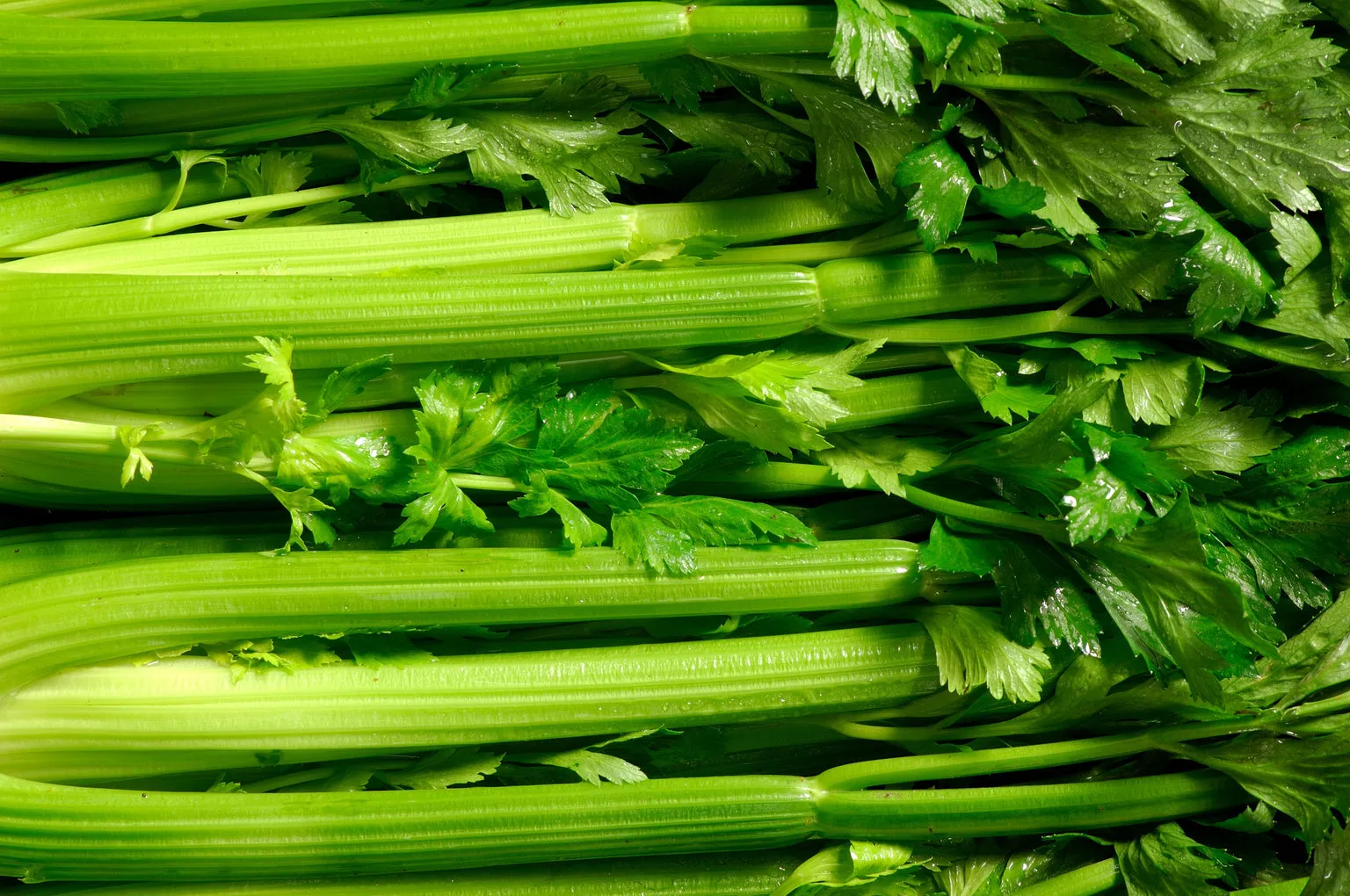
Celery is safe for most dogs and may give their teeth a light scrub, but it doesn't clean a dog's teeth in any meaningful way. Its crunchy, fibrous stalks encourage chewing and saliva flow, which can help freshen breath between brushing sessions.
But, Wwat celery can't do is remove plaque at the gumline, which is where dental disease begins. So, is celery good for dogs' teeth?
Sort of. It's great as an occasional low-calorie treat. But as a replacement for brushing or a daily dental routine, no.
Here's what celery really does in your dog's mouth and how to serve it safely.
Celery for Dogs' Teeth: The Quick Answer

What celery can do
- Encourage chewing and saliva flow.
- Dislodge loose food debris from tooth surfaces.
- Offer a low-calorie, hydrating crunch.
- Help freshen breath for a short time.
What celery can't do
- Remove plaque along or below the gumline.
- Break down hardened tartar.
- Replace toothbrushing or a vet dental cleaning.
- Fix the underlying cause of bad breath.
Why Celery Can't Reach Where Dental Problems Start
To understand the limits of celery, it helps to know where dental disease happens. Plaque is a sticky film of bacteria that builds up on teeth every day.
It collects most heavily at the gumline and in the small pocket between tooth and gum, called the sulcus. Left alone, plaque can harden into tartar within days. This tartar can't be brushed or chewed away. It requires professional vet cleaning.
Celery struggles to reach these areas for three reasons:
- It's mostly water. Celery is roughly 95% water, so a piece collapses quickly once bitten. There's little sustained friction against the tooth surface.
- Dogs don't chew like we do. Dogs use their sharp premolars and carnassial teeth to shear food, then swallow. Many gulp celery after one or two bites, so contact time with the teeth is short.
- Contact happens at the tips. Crunchy food mainly touches the crowns of the teeth, not the gumline, which is exactly where plaque does the most damage.
Celery's strings are sometimes described as "natural floss." In practice, those fibers are more likely to wedge between teeth or wrap around them than to clean them, which is one reason vets recommend removing them.
How Celery Compares to Other Crunchy Snacks
Celery is one of several fruits and vegetables dog people offer for dental health. None of them clean teeth on their own, but they differ in texture and cautions.
Celery
Texture: Watery, stringy.
Main downside: Strings can pose a choking risk.
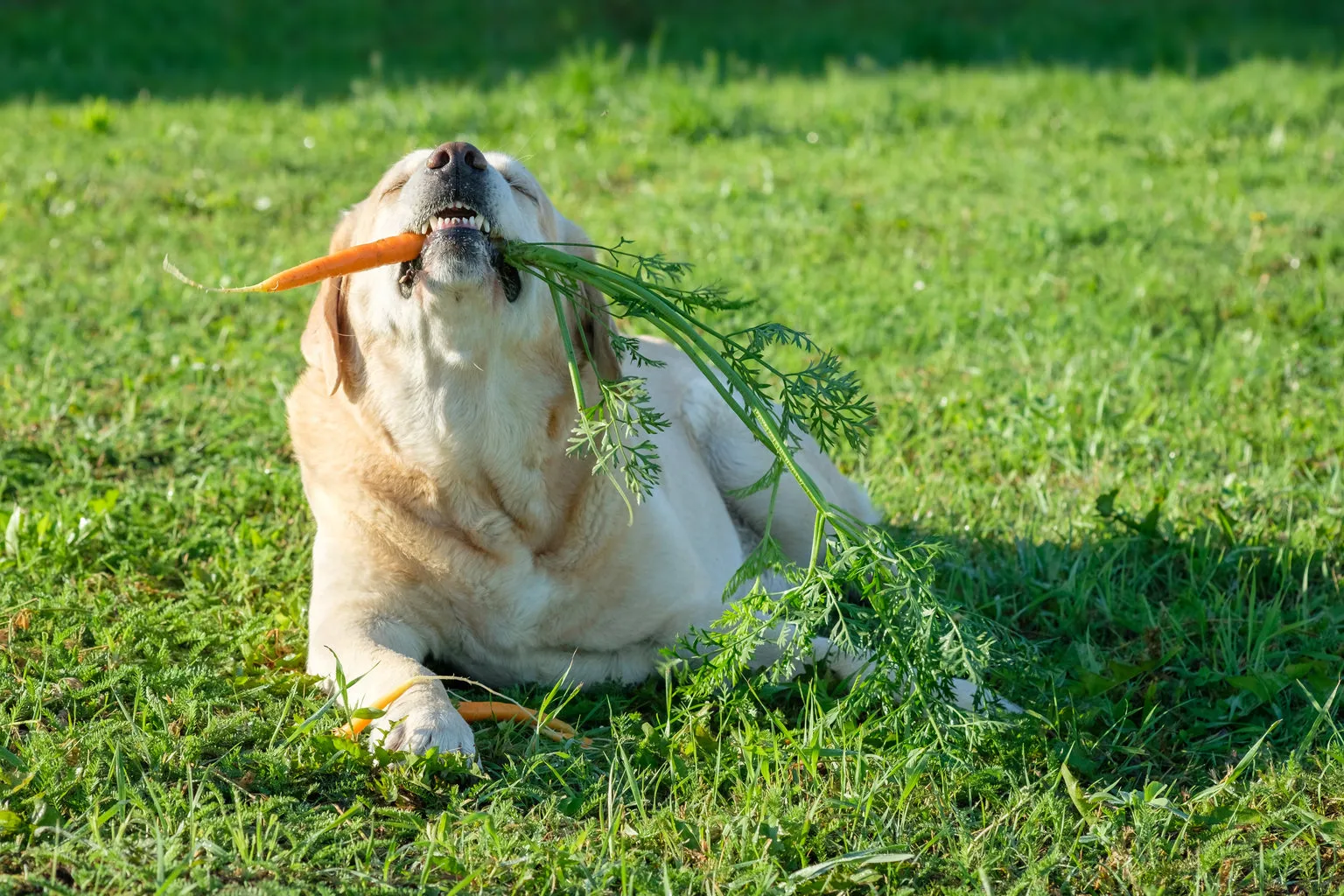
Carrots
Texture: Firm, dense.
Main downside: Contains natural sugars. When they're in large chunks, they're not easy for dogs to swallow.
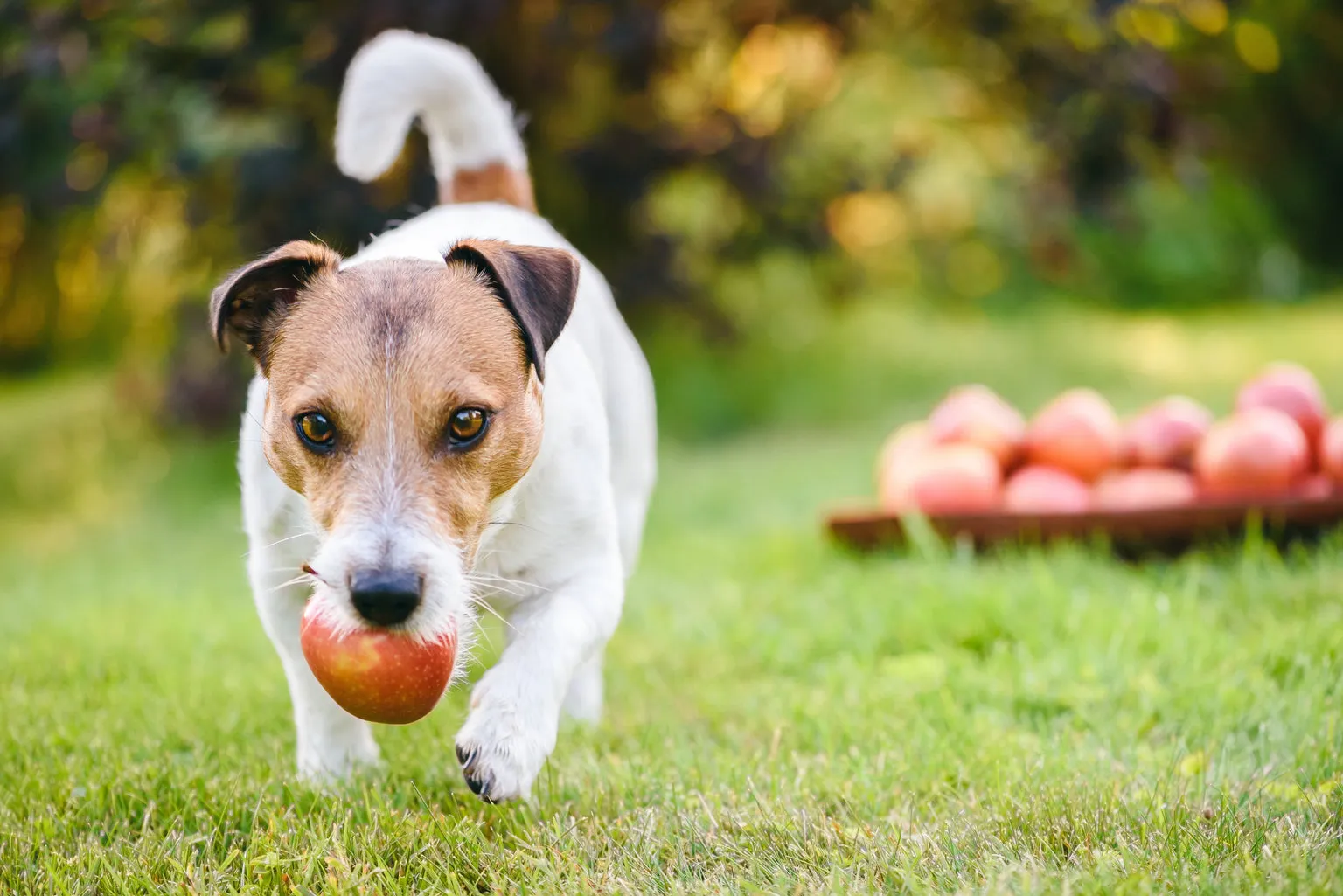
Apples
Texture: Crisp, juicy.
Main downside: Remove seeds and core; natural sugars.
For more detail, see our guides to carrots and your dog's teeth and apples and your dog's teeth.
The Real Benefits of Celery for Dogs

Celery's value is less about teeth and more about being a smart treat choice.
- Low calorie: A medium stalk contains around 6 calories, making it a good swap for richer treats in dogs watching their weight.
- Hydrating: Its high water content adds a little moisture, useful on warm days.
- Nutrients: Celery provides vitamins A, C and K, plus potassium, folate and fiber.
- Fresher breath, briefly: Chewing stimulates saliva, which rinses away food particles that contribute to odor.
That last benefit is real but temporary. Persistent bad breath usually points to plaque, tartar or gum problems that celery won't fix. If your dog's breath stays unpleasant, book a vet check.
How to Serve Celery to Your Dog Safely
Celery is non-toxic, but preparation matters.
- Wash thoroughly. Celery often carries pesticide residue, so rinse it well or choose organic.
- Remove the strings. Peel away the tough outer fibers with a vegetable peeler.
- Chop into small pieces. Cut bite-sized chunks, smaller for toy breeds and puppies. Never give a whole stalk to a small dog.
- Remove the leaves. They're not toxic, but they're more bitter and can hold more pesticide residue.
- Keep it plain. No salt, dips or seasonings. If you add peanut butter, check the label for xylitol, which is toxic to dogs.
- Follow the 10% rule. Treats, including celery, should make up no more than 10% of your dog's daily calories.
- Introduce it slowly. Too much fiber at once can cause gas or loose stools.
Dogs on prescription or sodium-restricted diets, or with kidney or urinary conditions, should only have celery with their vet's approval.
Watch for gagging or pawing at the mouth and contact your vet if either happens.
What Actually Keeps Your Dog's Teeth Clean

If celery isn't the answer, what is? Well, vets generally recommend a layered routine:
- Daily toothbrushing with a dog-safe toothpaste remains the gold standard.
- Products with the VOHC Seal of Acceptance, which have been tested to reduce plaque or tartar.
- Annual dental exams, plus professional cleanings under anesthesia when your vet recommends them.
- A daily dental additive to support oral hygiene between brushing sessions.
Diet plays a role too. Our guide to dental dog food covers how food choice fits into your dog's oral care.
What This Means for Your Dog's Dental Routine
Offer celery as a crunchy, low-calorie treat your dog enjoys, not as a tool for cleaning teeth. The work of controlling plaque needs to happen every day, at the gumline, with methods designed for the job.
For an easy daily step, our Dental Powder mixes straight into your dog's food to support clean teeth and fresh breath alongside brushing.
FAQs
Does celery clean dogs' teeth?
No, celery doesn't clean dogs' teeth in any meaningful way. Its crunchy stalks can dislodge loose food debris and encourage saliva flow, which may make your dog's mouth feel fresher for a short time. But plaque builds up along the gumline and in the pocket between tooth and gum and celery rarely reaches those areas.
Dogs also tend to swallow celery quickly, limiting contact time with their teeth. For genuinely clean teeth, combine daily toothbrushing with VOHC-accepted products, regular vet dental exams and a daily dental additive between brushing sessions. We recommend that you consult your vet for the most appropriate advice.
Is celery good for dogs' bad breath?
Celery can help freshen a dog's breath briefly, but it won't fix persistent bad breath. Chewing celery stimulates saliva, which rinses away food particles and some odor-causing residue, so your dog's mouth may smell fresher for a while afterward.
However, lasting bad breath in dogs usually comes from plaque bacteria, tartar build-up or gum inflammation and celery can't address those causes. If your dog's breath stays unpleasant despite good home care, book a veterinary dental check.
Your vet can spot problems early and recommend a routine, such as daily brushing and a dental additive, that targets the actual source directly.
How much celery can I give my dog?
Treats, including celery, should make up no more than 10% of your dog's daily calories. Because celery is so low in calories, the practical limit is usually fiber rather than energy. As a starting point, a small dog can have two or three bite-sized pieces, while a larger dog might enjoy a small handful.
Introduce celery gradually and watch for gas, loose stools or stomach upset. Always wash it, remove the strings and chop it small. If your dog has kidney problems, urinary issues or is on a prescription or sodium-restricted diet, check with your vet before offering any celery.
Can dogs eat celery leaves?
Celery leaves aren't toxic to dogs, but it's usually best to remove them. The leaves have a more bitter taste that many dogs dislike, and they can hold more pesticide residue than the stalk. Large amounts may also upset a sensitive stomach and cause diarrhea.
If you buy organic celery and your dog enjoys the leaves, a few chopped leaves mixed with the stalk are generally fine as an extra. Leaves offer no extra benefit for dogs' teeth, though, because they're soft and provide no crunch.
For dental purposes, serve the washed, de-stringed stalk, always cut into small, bite-sized pieces.
Is raw or cooked celery better for dogs' teeth?
Raw celery is better if you want the crunch, because cooking softens the stalk and removes the light scrubbing action it offers. Raw celery also keeps more of its vitamin C content.
However, cooked celery is the safer choice for senior dogs, dogs with sore or missing teeth, and fast eaters, because softer pieces are easier to chew and less likely to cause choking. Steam or boil it plain, without salt, oil, onion or garlic.
Either way, celery won't clean your dog's teeth. If your dog struggles to chew comfortably, that's a sign to book a vet dental exam soon.
To Sum Up
Celery is a safe, low-calorie treat that most dogs can enjoy, and its crunch may freshen breath for a short time. But it doesn't clean teeth or reach the gumline, where plaque and dental disease start.
Serve it washed, de-stringed and chopped small and keep it within the 10% treat rule. For clean teeth, rely on daily brushing, VOHC-accepted products, regular vet checks and a daily dental additive. For more tailored advice, it's always best to consult your vet.