Senior Dog Care Guide: Everything You Need to Know as Your Dog Ages
The complete guide to looking after your senior dog – covering diet, supplements, medications, treatments, types of senior dog concerns and end-of-life care.
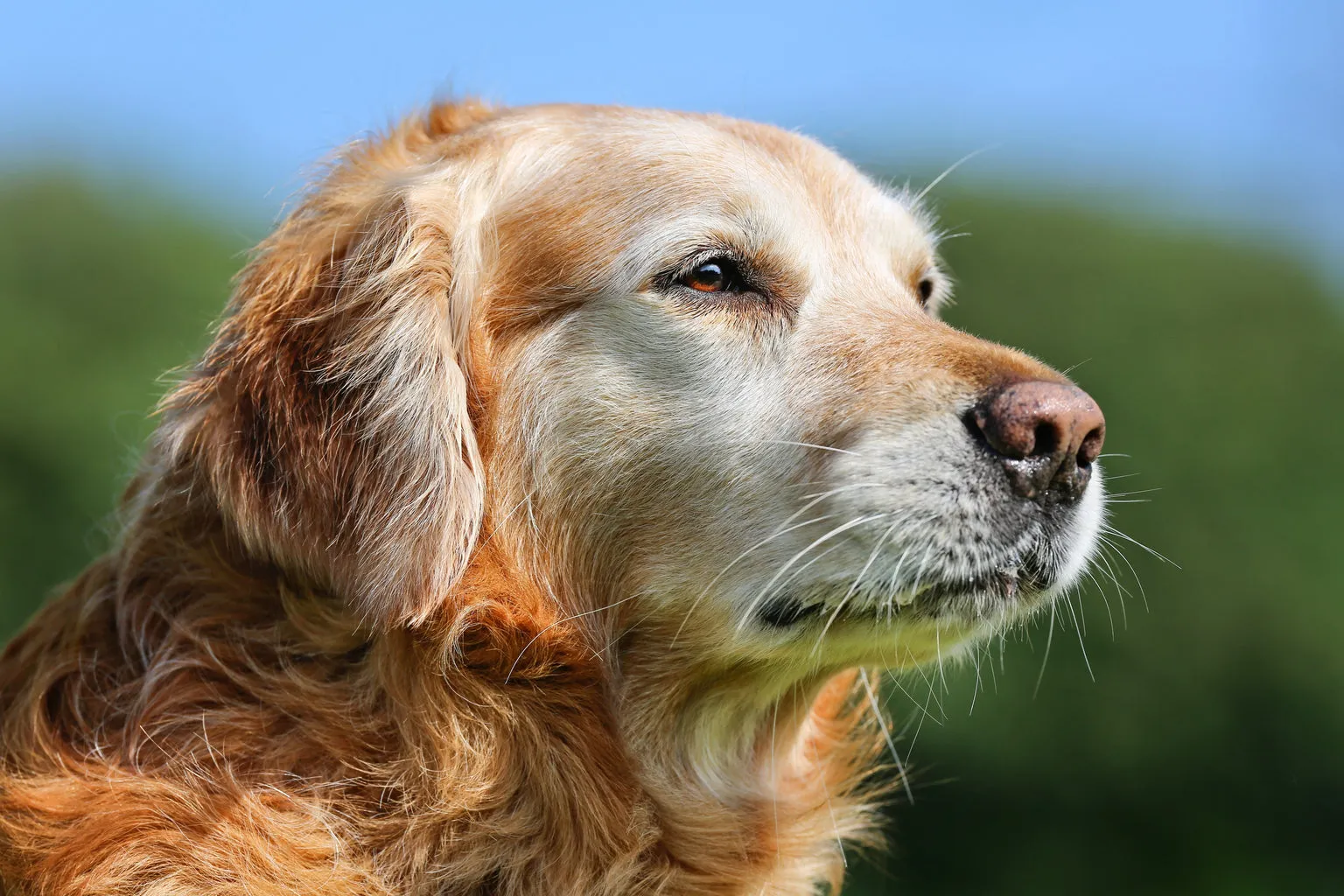
Senior dogs are special. They’ve been with you for a long time and shared so many memories that you’ll never forget. But just like us humans, as they age, how we look after them changes. The signs of things to spot will change, the medication and supplements you might give them change and how they exercise changes. All of these changes in their golden years can make a huge impact on their quality of life.
At the end of the day, that is all we want. More lovely times with our lovely dogs.
The Ultimate Guide to Senior Dogs
What is Considered a Senior Dog?
It all depends on the size, breed and age of the dog, but there is one general rule that’s used to determine whether a dog is senior or not – their age. When they reach age 7, they’re usually considered a senior dog. Becoming a ‘senior’ dog is a medical categorisation, because their physiology shifts significantly from their younger years. They're in the last quarter of their expected lifespan.
It’s important to note the difference between senior and geriatric here, though. They’re different. A geriatric dog is one that’s exceeded their predicted lifespan, whereas a senior dog is just one in the last period of their life.
When is a dog officially considered senior by vets?
“From a veterinary perspective, a dog is generally considered ‘senior’ when they reach the last 25–30% of their expected lifespan, which varies by breed and size,” says Dr. Tiffany Ruiz, VMD, cVMA.
How we categorise senior dogs by their age and breed
“As a general guideline, small dogs under 20 lb are often considered seniors around 9–10 years of age, medium dogs (20–50 lb) around 8–9 years, large dogs (50–90 lb) around 6–7 years, and giant breed dogs over 90 lb as early as 5–6 years old,” says Ruiz. “That said, age is only one piece of the puzzle – changes in mobility, energy level, and cognition are often more meaningful indicators of senior status than a number alone.”
Common Health Issues in Dogs
Senior dogs tend to experience a specific set of health issues as they age due to their genetic coding and the toll ageing takes on them. Just like us, really. So, what are key areas to keep in mind when it comes to your senior dog’s health? Keep reading to find out.
Joint pain, arthritis and mobility problems
The older a dog gets, the more they have to contend with biological decline. This typically results in physical issues, including joint pain and arthritis. You may have heard about arthritis in humans, but dogs can get arthritis, too. Particularly senior dogs.
Arthritis is a common condition that causes inflammation in a dog’s joints. There are a few different types of arthritis, including Osteoarthritis (this is the most common type), hip dysplasia–related arthritis, elbow dysplasia, post-injury arthritis and immune-mediated polyarthritis (IMPA). The good news is, there are plenty of ways to manage your dog’s pain – just consult your vet for the best route. Check out Hip & Joint Chews and Joint Liquid for supplements to support their joints.
Cognitive decline and senior dog dementia
All of the things that require processing, like memorizing, learning and perception, become harder for most dogs when they’re in their senior years. It’s officially known as Canine Cognitive Dysfunction (CCD).
More informally, we know it as ‘dog dementia’. This is because it operates similarly to dementia in humans, where the brain feels like it’s being blocked, the world starts to feel unstable to them and they start to withdraw socially and emotionally. The most common result is a feeling of forgetfulness. They start to seem like a different person.

Vision, hearing and dental changes
When a dog is more senior, there are a few areas in your senior dog’s health that start to show the signs before others; their vision, their hearing and their teeth and gums.
Vision changes are easy to tell. The colour of their eyes tends to change to a cloudy, blue-ish grey. This can tend to make focusing on things a lot more difficult. They could also develop cataracts at an older age, where the appearance of their eyes turns opaque and white. This, however, is often a result of genetics or diabetes. It’s also possible that their eyes become drier as they age, producing fewer tears. You’ll find the texture of their eyes tend to appear gloopier, leading to redness and irritation.
Hearing loss in senior dogs is known as Presbycusis. It’s basically where the delicate nerve endings in a dog’s ear start to degenerate. What’s important to note is that this happens gradually, so a dog will adapt to the difference in their hearing until it starts to become noticeable – like missing commands or becoming easily startled. What tends to happen is that the higher-pitched sounds start to sound quieter and eventually become totally silent, while lower-pitched sounds are easier to hear. Something that’s not necessarily common for a senior dog’s health, is developing a chronic condition where a dog’s ear canal either thickens or becomes too narrow, leaving them more susceptible to infections.
It’s incredibly common for senior dogs to have a dental disease of some sort. As you can imagine, their mouths are naturally a breeding ground for bad bacteria to deteriorate their teeth and gums. This only worsens as they get older. A dog’s immune response to bacteria will often be less effective and slower, which means that bacteria can travel to key places, like the heart and lungs a lot quicker, potentially causing serious issues there. When it comes to their gums, dogs can develop abscesses that can cause them a lot of pain. Their gums can also recede, making them more sensitive.
Weight gain, weight loss and metabolism changes
A senior dog’s weight is super important, because it’s a great indicator of their overall health. It all starts with their metabolism. When a dog gets older, their body requires less energy to do basic things like breathing or exercise. The amount of energy they need is called a Basal Metabolic Rate (BMR). So, the older a dog gets, the longer it takes them to use the energy that they need to power their everyday processes. Any energy that they’re not using, gets stored as fat.
An older dog is more prone to losing muscle mass and having this replaced with fat. Carrying excess weight impacts everything for a senior dog; mobility and the stress that’s put on their joints, increased inflammation and breathing becomes harder.
If a dog loses weight without meaning to, this isn’t a good sign. Consult your vet for any unexplainable weight loss. The typical things that you tend to see with dogs who are under weight, are organ malfunction, gastrointestinal issues and cancer.

Nutrition and Diet Needs for Senior Dogs
What a senior dog eats is just as important as what they’re doing exercise-wise and medication-wise. It all adds up. So, let’s get into everything senior dog food.
Do dogs really need senior dog food?
It depends on your dog’s own circumstances, but generally, more senior dogs need specialized dog food. As dogs age, their guts become less efficient at processing food. Plus, the calories in ‘normal’ dog food tend to be higher in calories. We ideally want more senior dogs to consume fewer calories than they used to in their prime years (between 2–7 years old).
Dogs who are usually okay to keep consuming ‘normal’ dog food, are those who are still very active, those that are underweight or if the brand of food that they’re eating caters towards dogs of all ages – then there’s no need to change.
Best nutrients for aging dogs
Just like us humans, senior dogs need to be consuming the right nutrients for them to live a happy, healthy life.
- For joints, try to feed your dogs foods that contain Glucosamine, Chondroitin, Omega-3 fatty acids and green-lipped muscles.
- For the brain, look for foods that contain antioxidants, like Vitamin C and Vitamin E, MCT Oil and L-Carnitine.
- For muscles and organs, try to feed them foods that are high in protein, fiber and a reduced amount of phosphorus.
Feeding schedule and portion control for older dogs
So far we’ve covered what a senior dog’s health should look like food-wise, but what’s equally as important to talk about is when they eat. The goal should be to maintain as much energy as possible throughout the day, so the timing that they eat to get those bursts of energy is key. Most vets tend to recommend that senior dogs eat between 2-3 meals a day, instead of one large meal a day. Why? Smaller meals are easier to digest and leave less room for any acid to build up – and no one wants that.
The size of their portion is also really important. Every bit counts. We have a few tips that you’ll want to bear in mind.
Tip one: Try to use a scale to achieve a precise amount.
Tip two: Figure out their new daily calorie intake as a senior dog. As a general rule, a dog’s daily calorie intake is around 20 to 30 calories per pound of their body weight.
Tip three: Try to make sure you’re not feeding more than 10% of their daily calorie intake as treats.
Tip four: Try to feed them their final meal 3-4 hours before they go to bed, so it gives their digestive system time to fully digest the nutrients.
Best Products for Senior Dogs
The best type of product for your senior dog’s care really depends on the specific needs of the specific senior dog. But, there are few general areas you can bear in mind when looking at what your dog needs.
Joint support and mobility support
The best joint and mobility support in senior dog care is usually a combination of a few things; lifestyle changes, environmental changes, supplements, medical-grade drugs and treatments.
When it comes to supplements, you’ll want to look out for a few efficacious ingredients. Start with Omega-3 Fatty Acids, they’re a great anti-inflammatory ingredient. Then, look for the trifecta of joint health; Glucosamine, Chondroitin, MSM and Green-Lipped Mussels. These are all key in building and maintaining the cartilage (soft tissue) in the joint, to ease friction and maintain the joints overall integrity. Other ingredients to keep an eye out for are Turmeric, A.K.A Curcurmin and CBD oil.
Orthopedic beds and comfortable sleeping solutions
Senior dogs spend a lot of time sleeping. Around 14–18 hours a day if we’re looking at averages. Because they spend so much time sleeping, it’s important that their environment works for them and not against them. An orthopedic, memory foam bed is a trustworthy addition to a senior dog’s sleeping routine for a few reasons. The softness of the material allows your senior dog’s body to mould to fit, not experience any discomfort due to the material composition.
Other great, easy additions to making your dog’s sleeping set-up as comfortable as possible, include using a couch bed. Which yes, is a real thing. Composed of soft, cosy material for them, with raised edges all around, it’ll help prevent them from straining their joints and muscles. A very close solution to this, is the dog donut bed; designed for use on flooring, this bed is composed of similarly soft materials, with raised edges to prevent strain.
Outside of their actual bed, factors like an ambient, slightly warm temperature matter, being near sunlight and distancing them from any drafts that could cause their joints to feel stiff. You want them to feel as cozy as you do when you’re about to sleep.
Ramps, harnesses and mobility aids
As you may have already gathered, as dogs age, they can use all the help we humans can give them. From a physical standpoint, there are a few key things that can help with a senior dog’s everyday mobility.
Ramps create a decent amount of lift for a dog that doesn’t put pressure on their joints, like most hard surfaces do. Now, with this, you don’t want to have a ramp that’s too steep. The specific type of ramp that you’ll want to look for is called a telescopic ramp. For dogs that find it difficult to figure out the depth of something, try to find a ramp with side rails.
Harnesses are an easy swap to make. You’ll want to look for a lifting harness. The ‘Help ‘Em Up Harness’ is the most common harness dog owners looking to make this swap are looking for. Unlike a standard harness, you’re able to lift the dog from the centre of their body by lifting the harness up to help with alleviating the pressure on their joints. For dogs whose back legs are usually weaker, look for a sling.
There are some specialized mobility products that can really make a mighty difference, even though they’re a tiny change when you’re thinking about senior dog care. These include; toe grips, wrist wraps and wheelchairs.
Toys and enrichment for senior dogs
It’s super important to keep your senior dog’s energy and spirit charged. Play time is a really key part of this. There are a few toys that help bring their playful side out, including lick mats. These are a great way to feed and treat your dog that also stimulates a calmer feeling. How? It’s actually super soothing for a dog and is known to help reduce the anxiety and stress they might feel.
For senior dogs who are dealing with dental issues, try to use soft, memory foam toys to create less pressure on their teeth and gums. If your senior dog struggles with a standard treat dispenser/enrichment feeder, try to use a specialized toy like Toppl or West Paw.
In terms of enrichment, there are two types that are mainly used for senior dog care. The first is mental enrichment – A.K.A brain games. Try playing ‘get that’, where you encourage your dog to fetch something, like a ball or a soft toy. The cup game is a great way to encourage treats and keep them guessing. For this one, just get 3 opaque cups, then get one treat and place it under one cup. Turn all of the cups face down. From here, move the cups around and ask your pup to guess which cup has the treat under it. There are, of course, much more low-effort games, like ‘touch’, ‘chin’ and ‘which hand?’.
The second type of enrichment is their second favourite place; going on an adventure outside. Instead of going for a quick, routine walk, let them sniff around and roam for as long as they please. It’s commonly known that when they start sniffing, it reduces their stress levels. If they aren’t able to move outside as easily, that’s cool. Stay home and let them watch the squirrels outside the window. Looking after a senior dog’s health seems a lot simpler when you can break it down into smaller, do-able activities like these.
Exercise and Mental Stimulation for Senior Dogs
Movement is so important for senior dog health. It keeps their brains and their body in sync. But what exactly do you need to bear in mind? We’re delving into the details.
How much exercise does a senior dog need?
The answer isn’t a one-size-fits-all, because what’s the right amount for one dog, isn’t the right amount for another. As dogs age, their muscle mass tends to decrease, so the more exercise is required to strengthen their muscles. Generally, it’s often recommended that 30 to 60 minutes of exercise a day is good for a senior dog. But, crucially, it’s all about breaking it down. So, instead of a solid 30 minutes of movement, split this up into three 10 minute walks. If it’s a total of 60 minutes, break this down into three or four chunks of exercise.
Low-impact exercises for dogs
It’s often better for senior dogs to do exercises that are lower impact than when they were younger. There are some easy examples of exercise that you can try with your senior dog. These include; scent-led walks, where you let your senior dog enjoy stopping and sniffing as much as they can during a walk, swimming is often a great exercise for dogs, as it strengthens their muscles without adding additional impact and finally, there are a few physiotherapy-led exercises like sit and stand that are great and easy ways to get them moving and working their muscles, without strain.
Your senior dog’s breed and size does come into play here, though. Smaller breeds like Yorkshire Terriers benefit most from low-impact exercises like slow, sniff-led walks around the block or playing indoors. Larger breeds like Labradors and Golden Retrievers often try swimming, to help with their joint issues and medium-paced walks around the block that are sniff-led.
Dogs that are prone to overheating, like Pugs and Bulldogs, benefit from the shortest bursts of sniff-led walking, due to their genetic coding and size.
Brain games and cognitive enrichment
“Mental stimulation is critical for senior dogs because it helps keep their brains active, engaged, and resilient as they age,” says Dr. Ruiz. “Just like in people, cognitive decline can occur in dogs, and enrichment activities – like puzzle toys, scent work, or learning new routines – can help slow that process.”
“Research shows that olfactory enrichment – whether through scent walks (a walk where you let them sniff as much as they want), snuffle mats, or scent games – reduces stress, increases exploratory behavior, and fosters engagement with the world in ways that muscle-focused physical exercise alone cannot. Mental enrichment also improves quality of life by reducing anxiety, boredom, and frustration, especially as physical abilities change.”

Vet Care and Preventative Health for Senior Dogs
When a dog is in their earlier years, professional vet care tends to focus on preventative health – A.K.A trying to prevent conditions or issues before they begin to take hold. When a dog is more senior, they take a more proactive approach to managing their existing conditions to try to give them the best life possible. This approach to senior dog health is quite different, so requires different types of care.
How often should senior dogs see the vet?
Most vets tend to recommend that they see a senior dog every 6 months. They will usually check for a few things every time; physical palpitation (any new bumps or lumps), assess their joint health and check their dental health. They’ll also check liver and kidney function through bloodwork, thyroid and blood pressure. From there, they’ll look into a treatment plan, if needed, and often recommend multiple routes to help your dog out, including diet changes, medication, supplements and treatments.
Recommended health screenings for older dogs
Senior dogs tend to require more comprehensive check-ups and screenings for everything. This should often be done by their vet once or twice a year. What’s included exactly? A lot – take a look at the long list below.
- Blood count check – to assess for any blood-related conditions/a healthy blood count is being maintained
- Measuring enzymes and proteins associated with the liver and kidney
- Urinalysis – to check the state of their kidneys and to check for kidney disease
- Thyroid function testing – to check for hypothyroidism, which may lead to things like lethargy and weight gain
- Blood pressure testing
- Osteoarthritis scoring to check the state/level of their joint health
- Body and muscle composition assessment, which relates to a lot of conditions and is a general pillar of their everyday health
- Lump and bump mapping – to check and keep a track of any new or unusual lumps and bumps
Managing chronic pain and age-related conditions in senior dogs
When a senior dog starts to experience everyday, long term pain, it’s tough on them. Thankfully, modern medicine allows the state and scale of this pain to decrease significantly. Vets will often recommend multiple routes. This includes NSAIDs (Non-Steroidal Anti-inflammatory Drugs), Gabapentin, which is a type of nerve pain medicine, Librela, which is an injection for pain management and supplements to aid their effectiveness.
As we’ve mentioned previously, there are a ton of things you can do in your environment to make your senior dog’s health better, too. This includes looking at the flooring to make it as easy to grip on as possible with things like ramps, elevated bowls and orthopedic memory foam bedding. Physical therapies can also prove beneficial here. Things like laser therapy, hydrotherapy and Passive Range of Motion (PROM), which is a more gentle version of stretching, can be super helpful.
End-of-Life Care and Quality of Life Considerations
This phase of a senior dog’s life is never one we want to confront. However, it’s super important that we do. If you’re not sure on what actually is involved in this phase of a senior dog’s care, we’re giving you a good overview.
How to assess a senior dog’s quality of life
The thing about dogs, is that they’re genetically wired to not show when they’re in pain until they are in absolute pain. Assessing a senior dog’s quality of life is a big responsibility for a senior dog owner. There are a few methods to assessing this.
For their mental well-being, the rule of three is a good check to make. Do they still enjoy:
- Eating a treat they love
- Chasing a squeaky toy
- Greeting you at the door
If they don’t enjoy these, then it’s usually a sign of a more unhappy dog, perhaps experiencing a lot of pain.
You can also try to track a senior dog’s good and bad days across the course of a two week period and see if there is a pattern of behavior that might indicate at the end of that period, that isn’t their usual selves. That they may be experiencing a low quality of life. Obvious signs of a senior dog that’s in pain tend to be their social isolation from their humans, getting confused or stuck looking at walls, less sleep and a general lack of personality or spirit.
Palliative and hospice care for senior dogs
For senior dogs that are nearing the end of their life, the focus shifts from curing and preventing, to comforting them. This kind of care is called palliative care. “End-of-life care should focus on comfort, dignity, and quality of life – for both the dog and their family,” says Dr. Ruiz. “Pain management, mobility support, appetite, and emotional well-being are key factors to assess regularly. I often suggest families make a list of three things their dog truly loves to do and revisit that list often to help guide decision-making.”
Hospice care is the type of care that’s reserved for senior dogs with only a few weeks or months left to live. This can be a combination of medication, environmental changes and physical therapies to ensure that the dog feels as comfortable as possible before they pass.
Knowing when it’s time to say goodbye
It’s a really hard decision for owners who love their senior dogs. The decision to euthanise a senior dog is mainly based on when is the best time to let them pass in peace, without pain. There are three pillars that can help a dog owner make this decision.
The Three Pillars
- How well are they eating?
- How well are they moving?
- How well are they connecting?
If you start to notice a huge and rapid decline in their everyday health, make a note of this and inform your vet.
A lot of owners tend to describe the light going from their senior dogs' eyes, meaning their spirit and lust for life is no longer there. This is a painful and true reality that’s also important to consider.
Once you’ve made your decision, the process of putting a senior dog down is simple and pain-free. A vet will often come to your home, so they can be surrounded by their favourite things and people and pass away there. There are two steps to euthanising a senior dog:
- The dog is given a heavy sedative, putting them into a sleep.
- Once they’re unconscious, a final medication is given to stop their heart.
The dog doesn’t experience any pain during this process.
How to Give Your Senior Dog the Best Life Possible
Making sure your senior dog has a great quality of life is super important and it can be achieved.
Creating a senior dog care checklist
It’s a great idea to get as organised as possible when it comes to your senior dog's health. There is quite a lot to bear in mind, so the best way of organising can often be by splitting times into days, weeks and months.
Daily checklist
- Appetite and hydration
- Mobility audit
- Bathroom habits
- Mental clarity
- Medication
Weekly checklist
- Check lumps and bumps and make a note
- Weight check
- Dental check
- Paw pad and nail care check
Monthly checklist
- Environment check
- Pain check
- Restock on their essential supplies
- Take videos and pictures to keep a track of their visible appearance
Talking to your vet about aging concerns
When your dog gets older, the relationship between yourself and your vet changes slightly – it’s more a collaboration. The more a vet has to go off of, the better. So, try to give them as much detailed information as possible about the small changes that you’ve noticed, bring them as much digital evidence as possible (things like videos and pictures), always try to ask as many serious questions as possible and stay transparent about how you’d like to conduct their care.
Open, upfront conversations become harder the older they get, especially with end-of-life conversations, but it’s better to be open and honest to get the best route of care possible for your dog.
Choose the right products for your senior dog
Making sure your senior dog gets the right products is a big responsibility. Once you and your dog’s vet have made an assessment on what is going on health-wise, it’ll be a lot easier to try and implement product recommendations. There are four key areas that need to be covered; their sleeping set-up, their environment (A.K.A your home), mobility and access tools and supplements and cognitive support.
Senior Dog Frequently Asked Questions
How to tell if a dog is nearing the end of life?
There are four main stages here. The first is withdrawal. They’ll start to disconnect from people and everyday life, lose interest and become lethargic. Next, are the physical signs. They could become anorexic, start losing control of their bowels, experience changes in their breathing and temperature. After this, they’ll usually start to show changes in behavior, becoming restless, pacing, confused, disorientated or glassy eyed. Finally, in the last 24 to 72 hours, they may show signs of twitching and seizures, significant weight loss and gasping for air or crying in pain.
At what age should I switch to senior dog food?
Most dogs become senior dogs in the last 25% of their lifespan. This is different depending on which breed they are. Larger dog breeds tend to reach seniority a lot quicker than smaller dog breeds. The point where you should switch to senior dog food should be when you start to see a few signs when they’re in this final 25% period of life; weight gain, less activity when they’re consuming the same amount of calories, changes in digestion or a dull coat or dry skin.
Can senior dogs still be trained?
In short, yes. Senior dogs can still be trained. Forget the saying ‘you can’t teach an old dog new tricks’. Their brains are actually more focused as senior dogs. Mental stimulation, like teaching them to shake paws, roll over, spin or take a bow are all great for a senior dog. They’ll pick it up totally fine. The only considerations are how long you train them for, as they’ll only be able to usually handle shorter focus time and if the training you’d like to do are low-impact, which benefits senior dogs more than high-impact training. Do consult your vet if there is a specific concern or question you have around this topic.
How long do senior dogs live?
This is a tricky question to answer, because it really depends on the dog. As a general rule, smaller dogs tend to live longer than larger dogs and senior dogs who are aged 7 onwards can also live a good quality of life with the proper care. What’s important to note is that when a dog ages, they often experience a curve of decline, rather than a straight decline of health. Just keep track of this as best as you can and adjust their care around this.
Are supplements safe for dogs?
In general, yes, supplements are safe for a senior dog’s health. The typical supplements that are recommended for dogs are ones that contain Omega-3 Fatty Acids, Glucosamine, Chondroitin and Probiotics.
There are a couple of things you can check to ensure the quality of the supplement:
- If it has the NASC (National Animal Supplement Council) seal of approval
-
If the brand actually tests the ingredients they use in clinical trials or clinical studies
To Sum Up
When it comes to your senior dog’s health, there is a lot to bear in mind. We’ve covered it all; what actually defines a senior dog, the types conditions they have (like osteoarthritis), the types of adjustments and care you can make to ensure they’ve got the best quality of life possible and what to check and look out for when they’re nearing the end of their life.