Why Does My Dog Have Bad Breath? Causes and How to Fix It
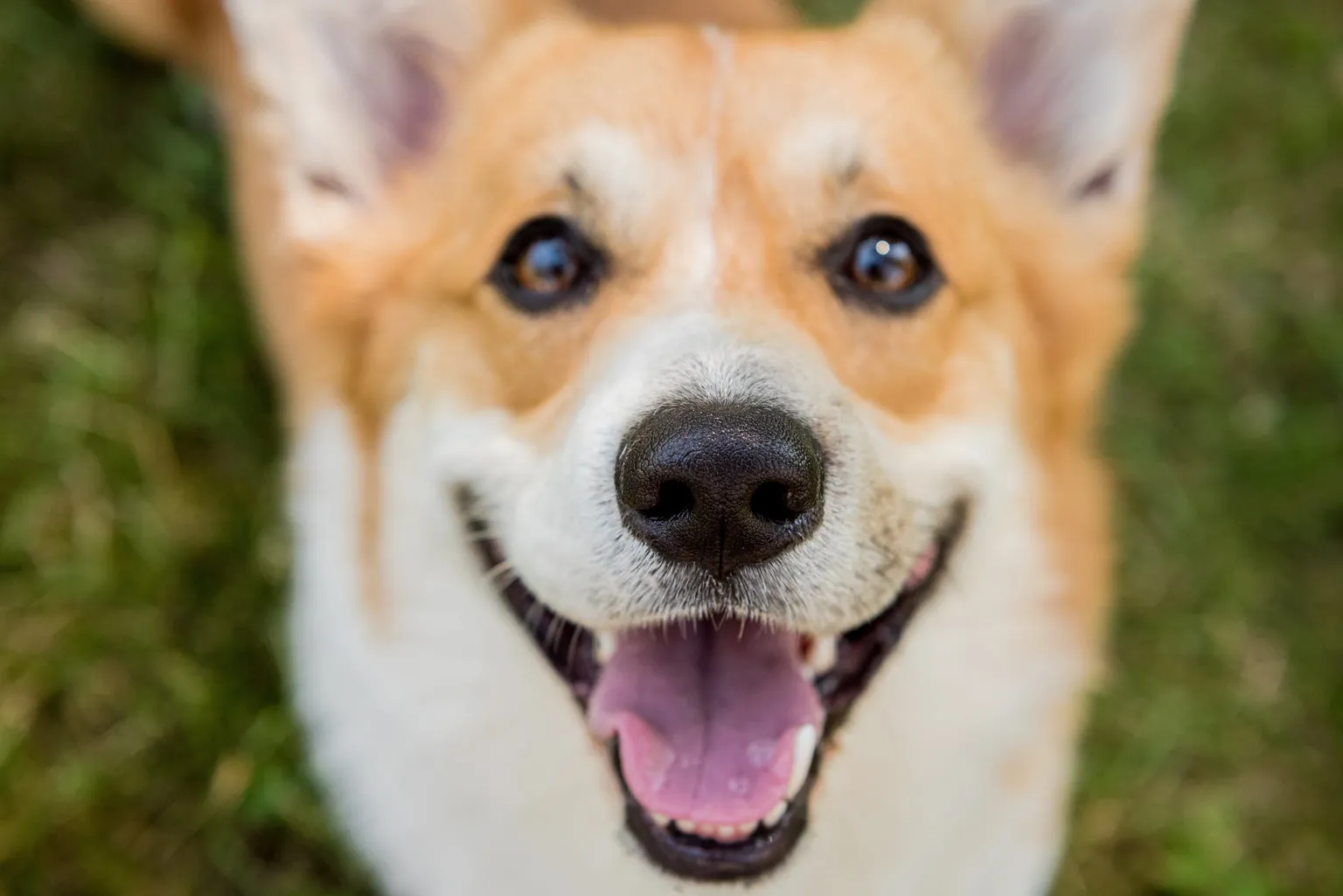
Bad breath in dogs is one of the most common complaints from pet parents – and one of the most commonly ignored. That stale, musty odor after a kiss or a yawn might seem like a quirk of dog parenting, but it's usually your dog's body sending a message worth listening to.
Here's what usually tends to cause dog bad breath, when it signals a real problem, and what you can do about it.
Is Dog Bad Breath Normal?
Mild, occasional breath odor is normal in dogs – especially after eating. A dog's mouths tend to collect hundreds of bacterial species, and some level of bacterial activity can then create a background smell. That's not usually a concern.

What isn't normal: Strong, persistent halitosis. This is where their breath that has changed quite a bit over weeks or odors that smell distinctly sweet, fruity, ammonia-like, or fishy.
This isn't "dog breath" – it's a signal that something internal needs attention.
The short answer: A faint smell is fine. But, a strong or sudden change in your dog's breath is not.
The Most Common Causes of Dog Bad Breath
Dog halitosis has several root causes, and figuring out the right one matters, because it'll affect what solution you choose.
Dental disease is usually considered one of the most common causes of bad breath.
What happens? Well, bacteria accumulates in plaque and tartar, producing sulfur compounds that cause the characteristic "dog breath" smell. When left untreated, dental disease can progress from inflamed gums to bone loss and even tooth loss.

Gut issues are a less talked about, but they can contribute to bad breath. The gut and oral cavity are connected – an imbalanced gut microbiome can drive inflammation and bacterial changes that affect breath.
Kidney or liver disease can cause noticeable breath changes as waste products accumulate in the bloodstream and are expelled through the lungs.
An ammonia or urine-like smell is a classic sign of kidney dysfunction.
Diabetes can cause a sweet or fruity odor on the breath due to elevated ketones – a metabolic byproduct when the body burns fat instead of glucose.
Diet plays a supporting role. Dogs fed lower-quality food, or fed inconsistently, are more prone to digestive imbalance and associated breath odor.
Dental Disease and Bad Breath
Periodontal disease starts silently. Plaque – a sticky film of bacteria – forms on teeth after every meal. Without mechanical removal (brushing, chewing), it hardens into tartar within 24–48 hours. Tartar creates a rough surface where more bacteria can accumulate, which irritates gum tissue and produces volatile sulfur compounds – the primary chemical source of bad breath in dogs.
As the disease progresses, bacteria work deeper below the gum line, infecting the roots and surrounding bone. By this stage, the breath odor is usually pretty intense. Dogs rarely show obvious signs of dental pain, which means many cases go unnoticed until the damage is significant.
Regular brushing, dental chews, and annual vet dental cleanings are the most effective interventions.
When Bad Breath Signals a Bigger Problem
Certain breath odors go beyond dental disease and point to systemic health issues.
Sweet or fruity breath is a classic sign of diabetic ketoacidosis – a serious complication of unmanaged diabetes. If your dog's breath has taken on a fruity or acetone-like quality, contact your vet.
Ammonia or urine-like breath suggests the kidneys aren't filtering waste effectively. Healthy kidneys clear urea from the blood; when they can't, the body expels it through the lungs. This odor is distinctive and warrants a vet assessment as soon as possible.
Fishy breath (different from post-fish-meal odor) can indicate gut imbalance or anal gland issues. The anal glands can release a fishy-smelling secretion, and if your dog is licking the area and then grooming their mouth, the odor transfers.
Feces-like breath is unusual and typically indicates a gastrointestinal obstruction or severe digestive dysfunction – a vet visit is urgent.
Any of these odor types, especially alongside changes in eating, drinking, urination, or energy, deserve a vet conversation.
How to Fix Bad Breath at Home
For most dogs, bad breath is primarily a dental hygiene problem – and that's the easiest thing that you can do.
Brushing your dog's teeth is the single most effective at-home intervention. Use a dog-specific toothpaste (never human toothpaste – xylitol is toxic to dogs). Daily brushing is ideal; three times a week is a realistic minimum.

Dental chews provide mechanical cleaning through chewing action. Look for products with the Veterinary Oral Health Council (VOHC) seal, which indicates clinical evidence of plaque and tartar reduction.
Diet quality matters. A nutritionally complete, digestible diet supports both oral and gut health. Low-quality fillers can increase fermentation in the gut, which feeds back into breath odor.
Water additives formulated for dental health can reduce bacterial load in the mouth with minimal effort. They're not a substitute for brushing, but they're a useful supplement to a dental routine.
Regular vet check-ups – including annual dental assessments – help to catch diseases early, before it becomes a pain and odor problem.

How Gut Health Affects Breath
The gut-oral axis is a real and recognized connection. The oral microbiome and the gut microbiome communicate and influence each other – imbalance in one can affect the other.
Dogs with gut dysbiosis (an imbalance of beneficial vs. harmful gut bacteria) often show systemic inflammation that extends to the mouth. They may also have increased gas production, which can contribute to breath odor through belching and esophageal reflux.
Probiotics are increasingly supported for their role in restoring gut bacterial balance. A well-supported gut microbiome reduces the bacterial populations that contribute to odor – both in the gut and in the oral cavity.
FAQs
Is bad breath normal in dogs?
Mild breath odor is normal in dogs – their mouths naturally house bacteria that produce some odor, particularly after eating. What isn't normal is strong, persistent bad breath or a sudden change in how your dog's breath smells.
If the odor is obviously worse than usual, or has taken on a distinctly sweet, ammonia-like, or fishy quality, it's worth investigating further. In most cases, persistent bad breath points to dental disease – the most common oral health problem in dogs – though gut health and systemic conditions like kidney disease or diabetes can also be contributing factors.
What does really bad dog breath mean?
Really bad dog breath – especially with a distinctive odor – usually signals something beyond routine dental build-up. A sweet or fruity smell can indicate diabetes or diabetic ketoacidosis. An ammonia or urine-like odor is associated with kidney dysfunction.
A persistent fishy smell can point to gut imbalance or anal gland issues. Severe, feces-like breath is a red flag for gastrointestinal obstruction. Any of these odor types, particularly when paired with changes in energy, appetite, drinking, or urination, should prompt a vet visit. Don't mask the problem with dental products – get a diagnosis first.
Can I give my dog mints or breath fresheners?
Most human mints and breath fresheners are not safe for dogs. Many contain xylitol, an artificial sweetener that is toxic to dogs even in small amounts. Peppermint oil can also be harmful in concentrated form.
Dog-specific dental chews, water additives, and toothpastes are formulated to be safe, and many have clinical evidence supporting their effectiveness. If you want to freshen your dog's breath quickly, a vet-approved dental chew is your safest option.
Addressing the underlying cause – dental disease or gut imbalance – is always more effective than masking odor.
Does diet affect dog breath?
Yes, usually quite a bit. Diet influences both the oral microbiome and the gut microbiome – both of which contribute to breath odor. Dogs fed low-quality food with fermentable fillers often have more digestive gas and gut bacterial imbalance, which can show up as bad breath.
A nutritionally complete, highly digestible diet supports healthier bacterial populations throughout the digestive tract. Some dog parents report obvious improvements in breath after switching to a higher-quality food or adding a probiotic supplement.
What your dog eats directly affects what their breath smells like – so if dental hygiene is solid and bad breath persists, diet is the next place to look.
To Sum Up
Dog bad breath is common but not something to write off. Mild odor is normal; persistent or unusual smells – especially sweet, ammonia-like, or fishy – can point to dental disease, gut imbalance, or systemic health issues including diabetes and kidney disease.
The most effective response is regular dental hygiene (brushing and dental chews), a quality diet, and probiotic support for gut balance. If the odor is sudden, strong, or accompanied by other symptoms, a vet visit is the right call.