How to Remove Tartar From Dog Teeth: Safe Methods That Work
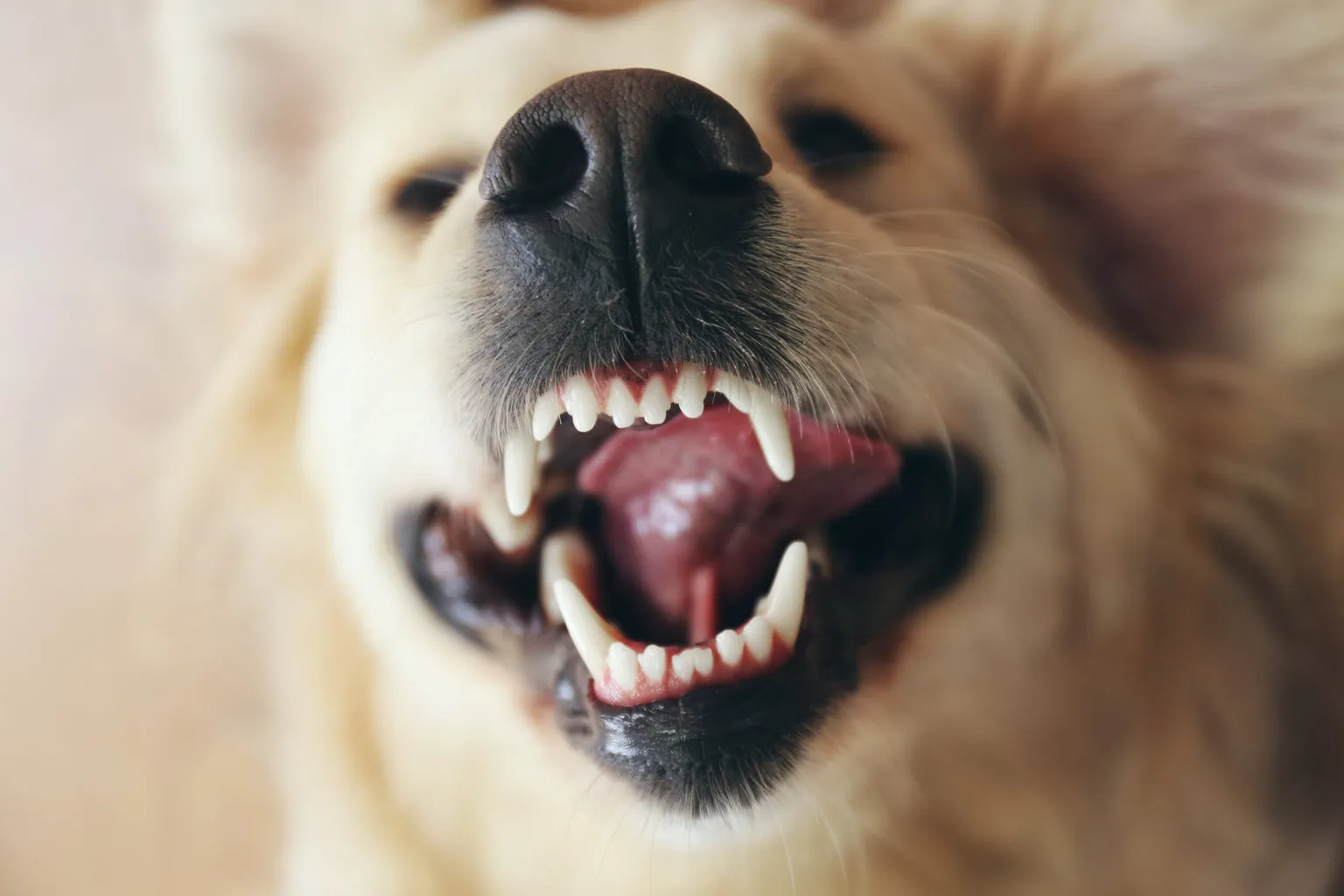
Tartar can't be brushed off once it's hardened – it has to be either prevented before it forms or removed by a vet during a professional cleaning. What you can do at home is stop soft plaque from turning into tartar in the first place – and there's a real difference between those two jobs.
This is our guide to how tartar forms, what actually helps at home, what to avoid and when brushing stops being enough. Get this right and you're on track to great dental health.
Plaque vs. Tartar: What's the Difference?

Plaque is the soft, sticky film of bacteria that builds up on your dog's teeth every day – it's what a toothbrush is designed to remove. Left alone for 24–72 hours, plaque starts absorbing minerals from saliva and hardens into tartar (also called dental calculus), a rough, yellow-brown deposit that bonds directly to the tooth enamel.
That distinction matters because it changes what's actually possible at home. Plaque can be managed with daily mechanical removal. Tartar cannot – once it's mineralized, it's cemented on, often extending below the gumline where you can't see or reach it.
How to Remove Tartar From Dog Teeth at Home (What Actually Helps)
Strictly speaking, you can't fully remove tartar at home – but a consistent routine can loosen light surface buildup and stop new tartar from forming. Here's the realistic picture of what "at-home tartar removal" looks like:

- Brush daily with a dog-safe enzymatic toothpaste. This is the single highest-impact habit. Enzymatic formulas help break down plaque before it hardens, which is the only stage brushing can actually affect.
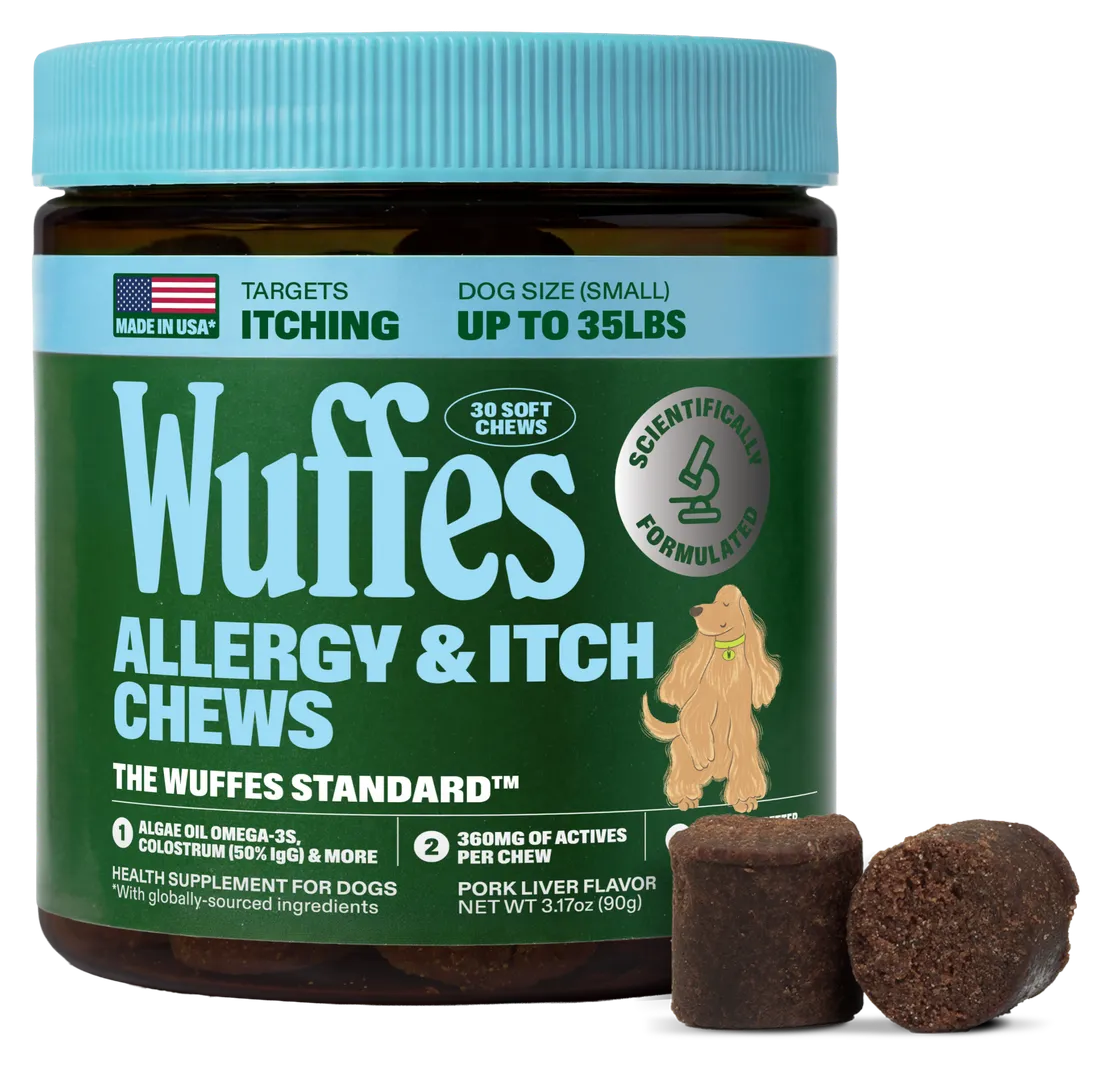
- Use a dental chew or dental powder alongside brushing, not instead of it. Mechanical chewing action helps scrape surface plaque off the visible tooth surfaces as your dog chews.
- Try a water additive for ongoing maintenance. These won't touch existing tartar, but they help slow new plaque formation between brushings.
- Focus on the back teeth and gumline. This is where tartar builds up fastest and where most pet parents miss with a quick once-over brush.
- Be consistent, not occasional. Daily or near-daily care prevents tartar from forming; a weekly effort mostly just manages what's already there.
If your dog already has visible tartar – hard, yellow-brown crust along the gumline – none of the above will remove it. That tartar needs a professional cleaning (more on that below).
What Doesn't Work (and What to Avoid)
- Scraping tartar off yourself with a metal dental scaler. This is one of the more common at-home mistakes, and it's a real risk: Without training, it's easy to scratch the enamel or injure the gums and scaling above the gumline while leaving tartar below it can actually make things worse.
- Human toothpaste. Many contain xylitol, which is toxic to dogs, along with fluoride levels that aren't meant to be swallowed.
- "Tartar-dissolving" home remedies (coconut oil, baking soda, etc.). There's no home ingredient that safely dissolves mineralized tartar. At best these do nothing; at worst they irritate the gums or upset your dog's stomach.
- Waiting it out. Tartar doesn't reverse on its own, and left in place it drives gum inflammation and, eventually, periodontal disease.
Best Tools for At-Home Tartar Prevention
The goal at home is prevention, not removal – so the right toolkit is built around stopping plaque before it mineralizes:
- A soft-bristled dog toothbrush or finger brush paired with enzymatic toothpaste, used daily.
- VOHC-accepted dental chews, which are tested specifically for plaque and tartar control.
- Dental powder sprinkled on food as a lower-effort daily habit for dogs that won't tolerate brushing.
- Dental wipes as a middle-ground option for puppies or dogs still adjusting to a brushing routine.

No single tool replaces brushing – the most effective routines combine daily brushing with one supporting product.
When You Need a Professional Dental Cleaning
If tartar is already visible, brushing and chews won't remove it – only a professional dental cleaning under anesthesia can. Vets use an ultrasonic scaler to remove tartar both above and below the gumline, including the parts you can't see or reach, then polish the enamel to slow new build-up.
Signs it's time to book one: Hard visible tartar, red or swollen gums, persistent bad breath despite home care or your dog pulling away when you touch their mouth.
FAQs
How do you get tartar off dog teeth without a vet?
It's tricky, because you can't actually remove all of the existing tartar without a vet. Why? Because it's mineralized and bonded to the enamel, making it difficult to remove with with anything we have at our disposal at home. What you can do at home is try to prevent new tartar from forming. This stops the build-up.
The best way to reduce build-up is through daily brushing with enzymatic toothpaste, VOHC-accepted dental chews and consistent care. If tartar is already visible, a professional cleaning is the only way to remove it safely; DIY scaling tools risk damaging enamel or gums.
What's the difference between plaque and calculus (tartar) on a dog's teeth?
Plaque is soft bacterial film that forms on the tooth as a part of their daily life and eating. It can be brushed away. Calculus – the clinical term for tartar – is what plaque becomes once it hardens with minerals from the dog's saliva. This will usually start to happen within 24–72 hours.
Once the plaque has mineralized, it bonds to the tooth and can't be removed by brushing or chewing. This is why daily plaque control matters more than trying to treat tartar after it forms. See our how to clean dog teeth guide for details on their daily cleaning routine.
What is canine tartar made of?
Canine tartar (dental calculus) is made of hardened plaque. It's usually a mix of bacteria, food particles and minerals like calcium phosphate from saliva that crystallize onto the tooth surface. The way it shows up visually is as a rough, yellow-to-brown deposit, most often along deposited along the gumline and on the back molars.
The reason for this, is that it's usually where the saliva flows first and chewing patterns leave plaque undisturbed longest. Your dog's mouth isn't actively using their tongue or a chew to help shift any of the plaque like the other parts of their mouth. It's the most untouched area, which unfortunately means that the plaque sits there and turns into tartar, until it's cleaned.
How often should I clean my dog's teeth to prevent tartar buildup?
It's usually recommended by vets that you brush every single day. Why? Because plaque can start to harden and turn into tartar quickly. 24-72 hours to be precise. Sometimes it's not so realistic.
We know what dogs are like when you try to make them sit still. So, if it's not realistic for you to brush your dog's teeth on a daily basis, try to at least aim to brush their teeth 3-4 times a week. If you also add a dental chew or dental powder on the off days, that should cover you. For a full routine, see our guide on how to clean your dog's teeth.
Is tartar on a dog's teeth dangerous?
Left untreated, tartar on dog's teeth can be a red flag, because it leads to periodontal disease. What happens, is tartar build-up pushes bacteria under the gumline, causing inflammation that can progress to periodontal disease. That's the leading dental issue in dogs by the time they hit middle age, so if there's a way to try to prevent that, trying it is a good idea.
Beyond bad breath and tooth loss, advanced dental disease has been linked to broader inflammatory load on the body. If you notice red gums, persistent odor, or visible tartar, it's worth a vet check rather than home management alone. Checking with your vet is the safest, most recommended option.
To Sum Up
Tartar can't be brushed away once it's formed – prevention through daily brushing and dental chews is the only real "at-home" strategy, and a professional cleaning is the only way to remove tartar that's already there. Catch it early with consistent care, and most dogs never need more than a routine cleaning.