Is Bad Breath in Dogs a Sign of Illness? Canine Halitosis Explained
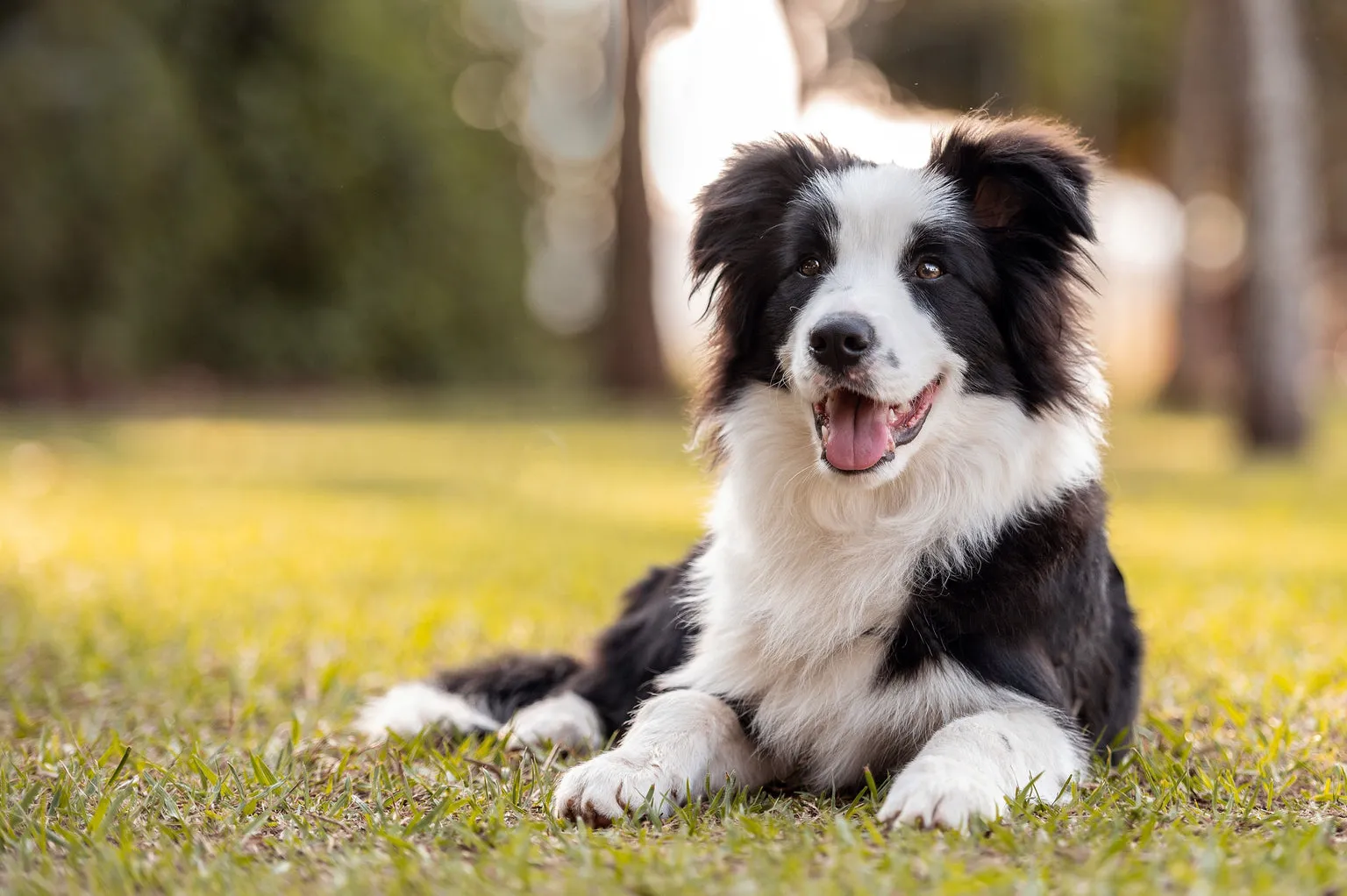
Bad breath can mean a lot of things. Whether or not it can mean there's illness, is also a tricky thing to answer, because it really depends. Mild, everyday dog breath is normal. But a sudden change in odor, or a smell that's sharp, sweet, metallic or rotten rather than just "doggy," can be your dog's body signaling something beyond the mouth.
Here's how to tell the difference, what specific smells tend to mean and when it's worth a vet visit rather than a mint.
What Is Canine Halitosis?
Canine halitosis is the clinical term for chronic or abnormal bad breath in dogs – as opposed to the mild odor most dogs have after eating or chewing. Some baseline smell is normal: A dog's mouth hosts hundreds of bacterial species and a bit of odor is just plain old biology.

Halitosis becomes worth paying attention to when it's persistent, has gotten noticeably worse or has a specific quality – sweet, metallic, ammonia-like, or rotten – that goes beyond ordinary "dog breath."
Is Bad Breath in Dogs a Sign of Illness? The Short Answer
Most of the time, bad breath in dogs comes down to dental disease. Plaque and tartar build-up are by far the most common cause. But, breath odor can also reflect what's happening elsewhere in the body: The gut, kidneys, liver or blood sugar regulation can all show up as a breath-odor change before other symptoms are obvious.
The key difference is whether the smell is generic "bad breath" or something more specific. A specific, unusual odor is more likely to point to something beyond routine dental build-up.
What Different Types of Bad Breath Means
Generally foul, "doggy" breath
Possible cause: Plaque and tartar build-up (this is the most common).
Urgency: Routine. Nothing to worry about.
Sweet or fruity dog breath
Possible cause: Diabetes-related ketone breath.
Urgency: See a vet.
Ammonia or urine-like dog breath
Possible cause: Possible kidney issue, but always check with a vet to confirm.
Urgency: See a vet.
Metallic dog breath
Possible cause: May be due to gum bleeding or oral irritation.
Urgency: Monitor it, but if it persists, contact your vet.
Fishy dog breath
Possible cause: Anal gland issue or gut imbalance.
Urgency: See a vet if it's persistent.
Rotten eggs or sulfur dog breath
Possible cause: Severe plaque buildup or gut bacterial imbalance.
Urgency: See a vet.
Smells like feces dog breath
Possible cause: GI issue or access to stool.
Urgency: See a vet if persistent.
Smells like blood dog breath
Possible cause: Gum disease, oral injury, or (rarely) an oral mass.
Urgency: See a vet.
It's important to remember that several of these causes overlap and a vet exam is the only way to confirm what's actually going on.
Why Does My Dog's Breath Smell Like Blood?
A blood-like odor usually points to something happening in the mouth itself. The most common cause is advanced gum disease – inflamed, bleeding gums have a distinct metallic or blood-like smell. Oral injuries, a broken tooth or something stuck in the gumline can also cause it.
Less commonly, a persistent blood smell combined with a visible mass, unusual bleeding, or reluctance to eat can point to an oral tumor. This isn't the most likely explanation, but it's why a blood-like breath odor – especially if it's new or persistent – is worth a vet exam rather than waiting it out.
Why Does My Dog's Breath Smell Like Rotten Eggs?

A sulfur or rotten-egg smell is typically linked to one of two things: Severe plaque and bacterial build-up in the mouth, producing sulfur compounds as bacteria break down food particles. Or, an imbalance in gut bacteria that shows up as breath odor.
Because this smell tends to show up with more advanced build-up rather than mild plaque, it's a reasonable trigger to book a dental check rather than just stepping up brushing.
Why Does My Dog's Breath Smell Like Death?
An extremely foul, almost putrid odor – the kind people describe as "smells like death" – usually signals something more advanced than routine bad breath. The most common cause is severe periodontal disease, where infection and tissue breakdown around the teeth produce a much stronger odor than typical plaque build-up.
In rarer cases, it can point to an oral infection, abscess or necrotic tissue that needs prompt veterinary attention.
This level of odor isn't something to monitor and wait on – it's a reasonable reason to book a vet visit in the near term rather than trying home fixes first.
Why Does My Dog's Breath Smell Like Fish?
A fishy smell is most often linked to the anal glands rather than the mouth directly – dogs are efficient self-groomers and anal gland secretion can transfer to the breath. It can also reflect a gut bacterial imbalance.
If the fishy smell is persistent or your dog is also scooting or licking near their tail, an anal gland issue is the more likely explanation and worth a vet check.

Why Does My Dog's Breath Smell Like Poop?
This is usually exactly what it sounds like – either your dog has eaten stool (their own or another animal's), which is common enough to have its own name (coprophagia), or there's a digestive issue affecting how food is processed.
If it's a one-off after your dog got into something in the yard, it's not usually a concern. If it's persistent without an obvious explanation, it's worth mentioning to your vet, since ongoing GI issues can present this way.
When to See a Vet Immediately vs. When to Monitor

See a vet promptly if:
- The smell is sudden, severe, or described as "putrid" or "like death"
- You notice a sweet/fruity smell, especially alongside increased thirst or urination
- There's an ammonia smell alongside lethargy or changes in appetite
- You see visible bleeding, a mass or your dog resists having their mouth touched
Monitor and address at home if:
- The smell is mild and consistent with normal "dog breath"
- There's no change in appetite, energy or behavior
- Brushing and dental care aren't yet part of the routine
FAQs
Is bad breath in dogs always a sign of illness?
No – bad breath in dogs isn't always a sign of illness. Everyday "dog breath" is normal and comes from ordinary bacterial activity in the mouth, not disease. It becomes a possible sign of illness when the odor changes suddenly, gets unusually strong, or takes on a specific quality – sweet, metallic, ammonia-like, or rotten – instead of typical dog breath.
Persistent plaque build-up is the most common underlying cause, but sudden or unusual smells can point to dental disease, kidney issues or diabetes. If your dog's breath changes noticeably, book a vet visit rather than assuming it's just normal odor.
What does it mean if my dog's breath smells like rotten eggs?
A rotten-egg or sulfur smell in your dog's breath usually points to severe plaque and bacterial build-up on the teeth and gums, since sulfur-producing bacteria thrive in advanced tartar. It can also reflect a gut bacterial imbalance in some dogs.
This level of odor typically doesn't appear with mild, everyday breath – it tends to show up alongside visible tartar, red or swollen gums, or difficulty chewing. Because it usually signals more advanced build-up rather than something brushing alone will fix, it's worth scheduling a dental check with your vet. Regular brushing helps prevent it, but existing build-up needs professional attention.
Can bad breath in dogs mean diabetes?
Yes, in some cases, bad breath can be linked to diabetes in dogs. A sweet or fruity breath odor can result from ketones, which build up when a dog's body can't process sugar normally due to insufficient insulin. This particular smell is distinct from ordinary dog breath or plaque-related odor, so it's a detail worth mentioning to your vet rather than dismissing.
It's most meaningful alongside other diabetes signs, including increased thirst, more frequent urination, sudden weight loss or appetite changes. If you notice sweet-smelling breath with any of these symptoms, schedule a vet visit for bloodwork rather than waiting it out.
Why does my dog's breath smell like fish?
A fishy smell in your dog's breath most often comes from the anal glands rather than the mouth – dogs groom themselves regularly and anal gland secretion can transfer onto their breath and coat. It can also point to a gut bacterial imbalance in some cases, though this is less common than the anal gland cause.
If the smell is persistent, or you notice your dog scooting, licking near their tail or straining to defecate, those are signs anal gland involvement is likely. A vet check can confirm the cause and address impacted or infected glands directly rather than leaving it untreated.
When should I worry about my dog's bad breath?
Worry less about ordinary "dog breath" and more about sudden changes or specific odors – sweet, ammonia-like, metallic or severely foul smells are the ones worth acting on. These particular smells can signal dental disease, kidney problems or diabetes rather than everyday bacterial build-up.
Pay closer attention if unusual breath shows up alongside other symptoms, such as lethargy, increased thirst or urination, appetite changes, drooling, or visible redness and swelling in the mouth. On their own, any one of these signs might be minor, but combined with a breath change, they're a reasonable trigger to book a vet visit rather than waiting to see if it passes.
To Sum Up
Bad breath in dogs is usually dental – plaque and tartar are the most common cause by far. But specific, unusual smells (sweet, ammonia-like, metallic, fishy or severely foul) can point to something happening beyond the mouth, from anal gland issues to diabetes to kidney concerns.
When in doubt, a vet exam is the only way to know for sure – but knowing what to listen for is the first step.