Why Does My Dog's Breath Smell Like Poop?
If your dog's breath suddenly smells like feces, the most common explanation is the obvious one: they've eaten poop. But breath that smells like poop, urine or something else unpleasant can also point to dental disease, digestive upset, or – less commonly – a more serious underlying condition.
Here's how to tell the difference and what to do about it.
The Most Common Cause: Eating Poop (Coprophagia)
Many dogs eat feces – their own, another dog's, or a cat's from a litter box – a behavior vets call coprophagia. It's unpleasant but usually not an emergency, though it does carry a small risk of picking up parasites or bacteria from what they've eaten, so it's worth mentioning to your vet, especially if it happens repeatedly.

Dogs who scavenge garbage, roadkill or other decomposing material can develop similarly foul breath for the same basic reason: Whatever they ate is still working its way through their digestive system.
If this sounds like your dog, the fix usually isn't complicated – it starts with limiting access to the source (litter boxes, other dogs' waste in the yard, trash cans) rather than treating the breath itself. See the home remedies section later on in this article for practical ways to break the habit.
When It's Not About Eating Poop: Dental Disease and Plaque
Even without a scavenging habit, breath can take on a foul, poop-like edge from ordinary dental disease. Plaque and tartar build-up along the gumline feed bacteria that produce genuinely unpleasant odors, and left unaddressed, this can progress to gum inflammation and more serious periodontal issues.

If your dog's teeth show visible tartar (a yellow-brown buildup at the gumline) or their gums look red or swollen, dental disease – not diet – is the more likely explanation, and a vet dental check is the right next step.
My Dog's Breath Smells Like Urine
Breath that smells like urine or ammonia is a different signal than poop-smelling breath, and it's worth taking more seriously. It can indicate that the kidneys aren't filtering waste products (urea) out of the bloodstream effectively, which allows those compounds to build up and affect breath odor.
This isn't something to wait out – if your dog's breath has a distinct urine or ammonia smell, especially alongside increased thirst, more frequent urination or lethargy, a vet visit is warranted.
Why Does My Puppy's Breath Smell Like Poop?
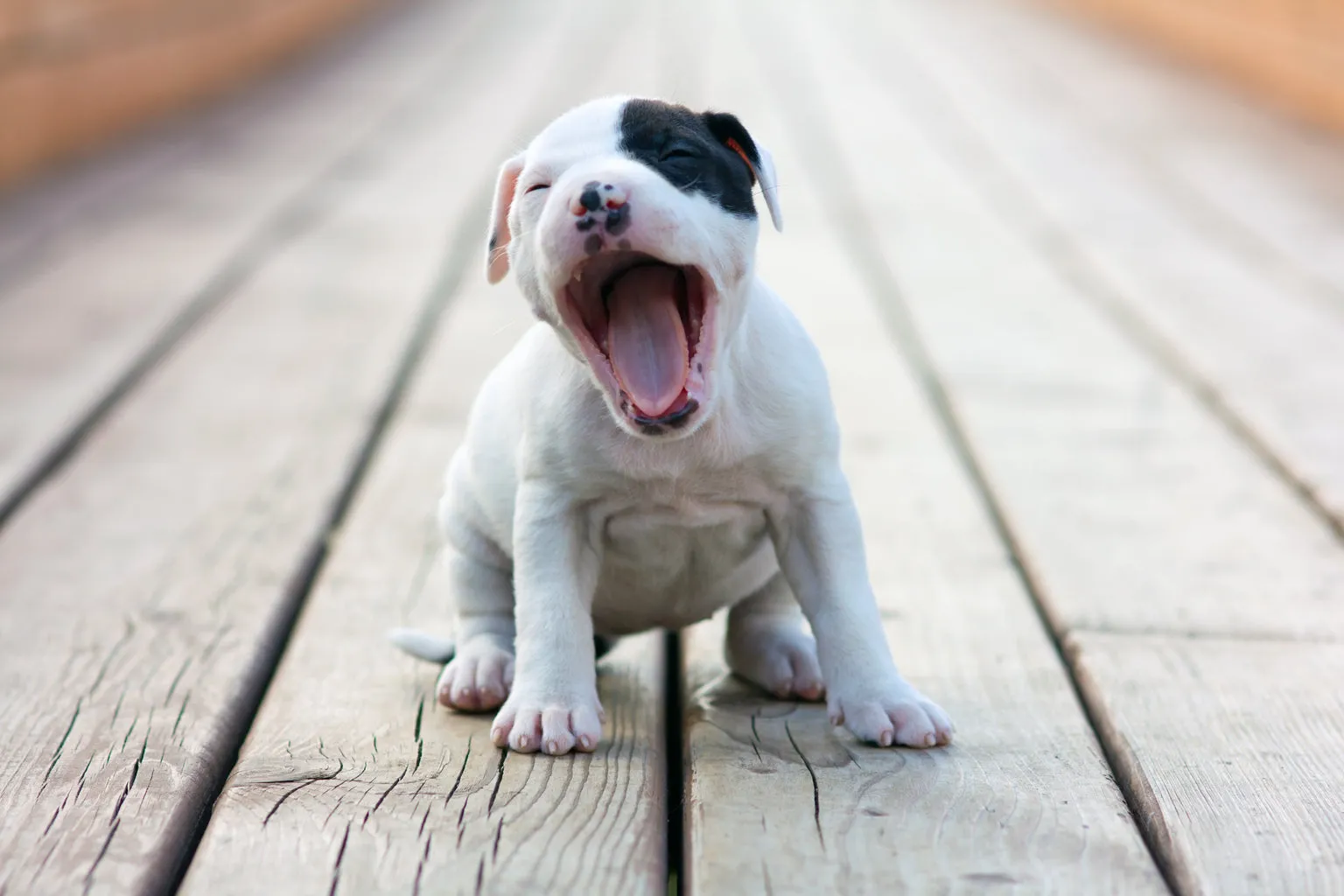
Puppies are especially prone to coprophagia – it's common during house-training, and some puppies go through a phase of it before growing out of it entirely. It can also be more concerning at a young age if it's paired with diarrhea, vomiting or weight loss, since puppies are more vulnerable to parasites and dehydration than adult dogs.
For most puppies, though, the fix is behavioral: supervising outdoor time, cleaning up promptly and redirecting the behavior rather than punishing it (which can sometimes make the habit worse).
Excessive Licking and Bad Breath Together

If your dog is licking excessively – their paws, a favorite spot on the furniture, or the air – and also has bad breath, the two symptoms may be connected. Dental pain can cause excessive lip licking or mouth smacking as a dog tries to soothe discomfort. Skin infections or irritated anal glands can also produce an odor that transfers to a dog's mouth through licking, which can be mistaken for bad breath.
Less commonly, digestive upset can cause both nausea-driven licking and unpleasant breath at the same time. Because the possible causes range from minor to more serious, a vet visit is the most reliable way to narrow it down rather than guessing at home.
Home Remedies for Dog Breath That Smells Like Poop or Urine
For breath caused by scavenging or coprophagia rather than an underlying condition, a few practical steps make the biggest difference:
- Manage access, not just symptoms. Clean up yard waste promptly, keep litter boxes out of reach, and supervise outdoor time if scavenging is a known habit.
- Rule out a nutrient or diet issue. Some dogs eat feces due to an underlying nutrient deficiency or an overly restrictive diet – if the behavior is new or persistent, mention it to your vet rather than assuming it's just a quirk.
- Keep up a basic dental routine. Brushing and appropriate chews reduce the bacterial buildup that makes any bad breath worse, regardless of the original cause.
- Don't rely on breath fresheners alone. Water additives and dental sprays can mask odor short-term, but they won't address scavenging behavior or an underlying dental or digestive issue.
- Track the pattern. Note whether the smell is constant or occasional and whether it lines up with specific behaviors (litter box access, yard time) – this detail is genuinely useful for your vet if you do need to book a visit.
When to See a Vet
Occasional poop-breath from a known scavenging habit usually isn't an emergency, but book a vet visit if breath smells like urine or ammonia, if it's paired with vomiting, diarrhea, increased thirst, or lethargy, if your dog's teeth are clean but breath is still bad, or if a coprophagia habit is new, frequent, or doesn't respond to basic management.
These patterns point toward a cause you can't fully address at home.
FAQs
What home remedies help with dog breath that smells like poop or urine?
For poop-related breath, the most effective "remedy" is managing access – cleaning up yard waste promptly, keeping litter boxes out of reach and supervising outdoor time to interrupt scavenging habits at the source. A consistent dental routine, brushing plus appropriate chews, helps reduce the bacterial buildup that makes any bad breath worse regardless of cause.
Breath fresheners and water additives can mask odor short-term but won't fix the underlying behavior. Urine- or ammonia-smelling breath isn't something home remedies can address at all – it can signal a kidney issue and warrants a vet visit. Track when the smell occurs, since that helps your vet narrow it down.
Why does my dog's breath smell like poop?
The most common explanation is that your dog has eaten feces – their own, another dog's, or from a cat's litter box – a behavior vets call coprophagia. Dogs who get into garbage, roadkill, or other decomposing material can develop similarly foul breath for the same basic reason.
It's unpleasant but not usually an emergency, though it does carry a small risk of parasites or bacteria, so mention repeated occurrences to your vet. Less commonly, dental disease or digestive upset can produce a similarly foul odor without any scavenging involved, so it's worth checking your dog's teeth and gums too.
Why does my dog's breath smell like urine?
Urine or ammonia-smelling breath is a different signal than poop-smelling breath and is worth taking seriously rather than treating it like ordinary dog breath. It can indicate that the kidneys aren't effectively filtering waste products out of the bloodstream, allowing those compounds to build up and affect breath odor over time.
This is especially worth investigating if it's paired with increased thirst, more frequent urination, or lethargy. Unlike breath caused by scavenging or diet, this isn't something that resolves with home management – a vet visit and bloodwork are the appropriate next step to check kidney function and rule out other causes.
Why does my puppy's breath smell like poop?
Puppies are especially prone to coprophagia, and it's a common phase during house-training as they explore the world with their mouths and investigate everything around them. Many puppies grow out of it entirely with consistent supervision, prompt yard cleanup, and gentle redirection rather than punishment, which can sometimes reinforce the behavior instead of stopping it.
It's worth extra attention if the habit is paired with diarrhea, vomiting or poor weight gain, since puppies are more vulnerable to dehydration and parasites than adult dogs. If the behavior persists past a few months or your puppy seems unwell, a vet visit rules out an underlying cause.
Why is my dog excessively licking and also has bad breath?
These two symptoms often share a root cause. Dental pain can lead to excessive lip licking or mouth smacking as a dog tries to soothe discomfort in their mouth. Skin infections or irritated anal glands can produce an odor that transfers to your dog's mouth through licking, which can be mistaken for bad breath itself.
Digestive upset can also cause both nausea-driven licking and unpleasant breath at the same time. Because the possible causes span from minor to more serious, a vet exam is the most reliable way to identify the specific cause rather than guessing at home.
To Sum Up
Dog breath that smells like poop is most often explained by eating feces or scavenging, and the fix is usually behavioral rather than medical. Breath that smells like urine or ammonia is a different, more serious signal that's worth a vet visit rather than a home remedy.
Puppies commonly go through a coprophagia phase that most grow out of with supervision and redirection. If bad breath shows up alongside excessive licking, vomiting, diarrhea, or persists despite clean teeth, it's a sign of something beyond diet that needs a vet's input.