Why Does My Puppy's Breath Stink? Causes & Fixes

"Puppy breath" has a reputation for smelling sweet – but if yours suddenly smells sour, fishy or just plain bad, something's changed.
In most puppies, stinky breath comes down to teething, diet or normal mouth bacteria, and it's fixable with a simple oral care routine. In some cases, it can signal something else that needs a vet visit.
Older dogs are a little different. So, if you're looking for information on bad breath in older dogs, check out our guide to dog breath.
What Is "Puppy Breath" and Why Do Puppies Have It?
That sweet, milky "puppy breath" smell comes from a mix of your puppy's diet (usually milk or puppy formula), an undeveloped oral microbiome and the fact that their baby teeth haven't yet built up the bacteria that cause odor in adult dogs. It's most noticeable in puppies under 12 weeks old and is completely normal – many people even find it pleasant.
When Does Puppy Breath Go Away?

Puppy breath typically fades between 4 and 6 months of age, as your puppy loses their baby teeth, their adult teeth come in and their gut and oral bacteria mature. Once that transition happens, breath usually shifts to the more neutral (or sometimes stronger) smell typical of adult dogs.
If your puppy's breath goes from sweet to sour before then, or turns into a persistent bad odor after 6 months, that's a sign to look at causes below.
Common Causes of Stinky Puppy Breath
Teething
Around 3–6 months, puppies lose 28 baby teeth and grow 42 adult ones. The inflammation and minor bleeding this sometimes causes can temporarily sour breath. But, this usually resolves on its own once teething finishes.
Diet and treats
Puppy food, table scraps or chewing on non-food items can leave residue that bacteria feed on, creating odor. Switching treats or rinsing water bowls daily can help rule this out.

Normal bacterial build-up
Puppies mouth everything – toys, dirt other animals – and plaque can start forming even on baby teeth. Without any brushing, bacteria builds up quickly in a small mouth.
Digestive upset
A puppy with a sensitive stomach, recent diet change or mild GI upset can have breath that smells different (sometimes described as sour or "off") until digestion settles.
Parasites
Intestinal parasites (like worms) are sometimes associated with unusual breath odor in puppies, alongside other symptoms like a pot belly, diarrhea, or visible worms in stool. This warrants a vet check rather than home remedies.
Retained baby teeth
Occasionally an adult tooth comes in without the baby tooth falling out first. Two teeth sitting side by side trap food and plaque in a way a normal single tooth doesn't, which can cause a stronger, more localized odor. This is most noticeable around 5–7 months and is worth a vet check if you can see two teeth in the same spot.
Is It Normal for an 8-Week-Old Puppy's Breath to Stink?
At 8 weeks old, most puppies still have that classic sweet puppy breath – a stinky or sour smell this early is less common and worth a closer look.
At this age, the most likely causes are diet (especially if recently weaned or switched foods), mild digestive upset from the transition to solid food or simply not yet having any at-home dental care.
If the smell is sudden, sour or paired with vomiting, diarrhea, or lethargy, contact your vet rather than waiting it out.
How to Get Rid of Puppy Breath at Home

- Start a brushing routine early. Use a dog-specific (never human) toothpaste and a soft puppy toothbrush or finger brush, even before all adult teeth are in – this builds the habit and reduces bacterial buildup.
- Offer appropriate chew toys. Chewing helps mechanically remove some plaque and can ease teething discomfort.
- Check water and food bowls daily. Bacteria builds up in residue fast – a clean bowl is an easy win.
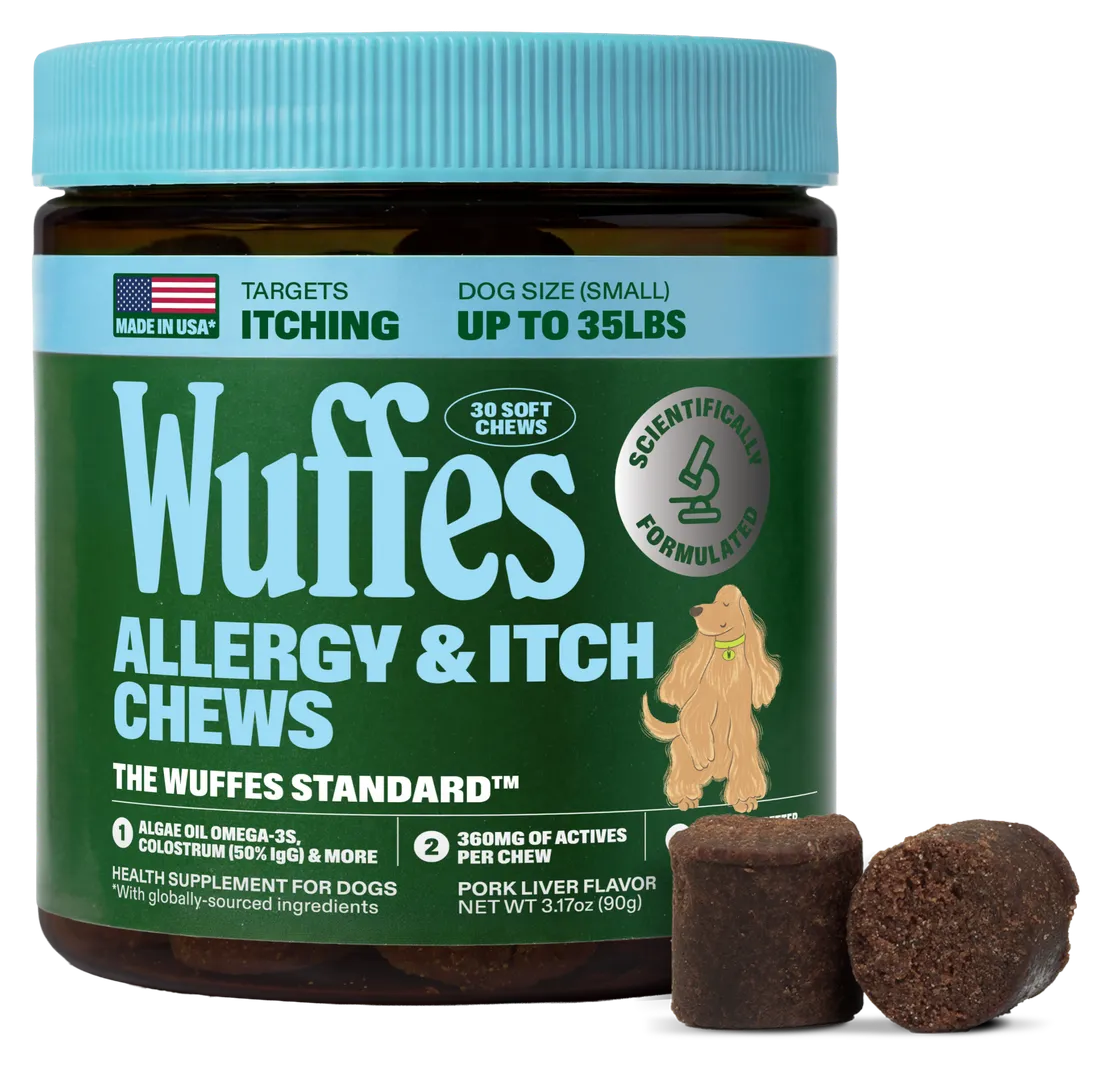
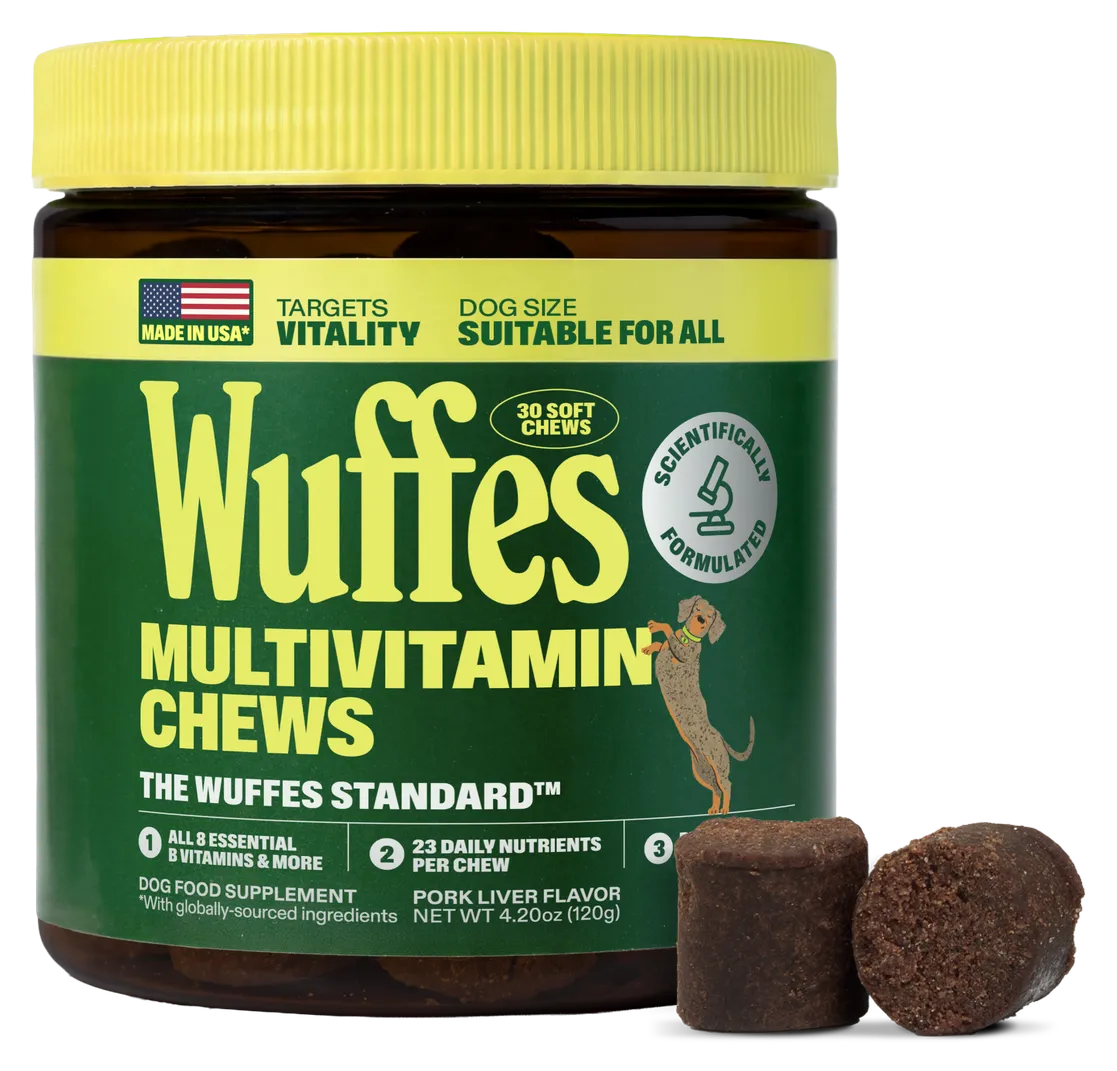
- Consider a dental-support chew. Dog-specific dental chews can help support a cleaner mouth as part of a daily routine, alongside brushing – they work best as a supplement to brushing, not a replacement for it.
- Rule out diet as a cause. If breath changed right after a food or treat switch, that's often the simplest explanation.
How to Brush a Puppy's Teeth the Right Way
Brushing is the single most effective thing you can do for puppy breath, but technique matters more than people expect.
- Start before it feels necessary. Introducing a toothbrush or finger brush at 8–10 weeks, even with just a handful of baby teeth in, tends to build a habit your puppy tolerates as an adult.
- Use dog-specific toothpaste only. Human toothpaste often contains fluoride and sometimes xylitol, both of which are unsafe for dogs to swallow – and puppies will swallow it. Dog toothpaste is formulated to be safe if swallowed and comes in flavors puppies tolerate, like poultry or peanut butter.
- Go slow the first few sessions. Let your puppy lick the toothpaste off your finger first, then off the brush, before attempting to brush teeth. Rushing this step is the most common reason puppies resist brushing later on.
- Focus on the outer surfaces. The outside of the teeth, where they meet the gumline, is where the most plaque and odor-causing bacteria build up – you don't need to get the inner surfaces for it to be effective.
- Aim for daily, but don't skip days over occasional misses. Consistency matters more than perfection; even 3–4 brushings a week is meaningfully better than none.
Mistakes That Make Puppy Bad Breath Worse
A few common habits can undo an otherwise good routine:

- Relying on chews alone. Chews can help support a cleaner mouth, but they don't reach the gumline the way brushing does – puppies who only chew and never get brushed often still develop odor over time.
- Waiting for adult teeth to "fix it." Some breath changes do resolve with the teething process, but plaque buildup that starts in puppyhood doesn't reverse on its own – it needs to be actively managed.
- Using human dental products. Beyond toothpaste, human mouthwash and floss picks aren't designed for a dog's mouth and can do more harm than good.
- Ignoring a sudden, sharp change in smell. A gradual shift is usually developmental; a sudden, strong change is more often worth a vet visit than a wait-and-see approach.
When to Worry: Signs Puppy Bad Breath Needs a Vet Visit
Occasional mild breath changes during teething are normal. Contact your vet if bad breath is sudden, very strong (especially fishy, ammonia-like or rotten-smelling), or comes with other symptoms like vomiting, diarrhea, drooling, pawing at the mouth, or visible mouth sores. These can point to causes beyond normal puppy development.
FAQs
Why do puppies have "puppy breath"?
Puppy breath is caused by a combination of a milk/formula-based diet, an immature oral microbiome, and baby teeth that haven't yet built up the bacteria responsible for stronger adult-dog breath odor.
It's normal in puppies under about 12 weeks old and isn't a cause for concern on its own.
What is puppy breath, exactly?
"Puppy breath" describes the mild, often sweet-smelling breath common in very young puppies, distinct from the stronger smell typical of adult dogs. It comes from diet and an undeveloped mouth bacteria balance rather than any dental product or treatment.
When does puppy breath go away?
Puppy breath usually fades between 4 and 6 months old, as baby teeth fall out, adult teeth erupt and gut and oral bacteria mature. If breath turns sour or unpleasant before this age, it's more likely diet, plaque, or mild digestive upset than a normal developmental change.
What causes puppy breath to turn stinky?
The most common causes are teething, plaque build-up from lack of brushing, diet or treats, and mild digestive upset. Less commonly, intestinal parasites can be a factor, especially alongside other symptoms – this warrants a vet visit rather than home remedies.
How long does puppy breath last?
Sweet puppy breath typically lasts until 4–6 months of age. After that, most dogs settle into the more neutral breath smell of adulthood, assuming a basic dental care routine is in place.
How can I get rid of my puppy's stinky breath?
Start daily brushing with a dog-specific toothpaste, offer appropriate chew toys, keep water and food bowls clean and consider a dental-support chew as part of the routine. If breath doesn't improve or is paired with other symptoms, see your vet.
To Sum Up
Sweet "puppy breath" is normal until around 4–6 months, when teething and adult teeth coming in shift the smell. Stinky breath before or after that window is usually explained by diet, plaque build-up, or mild digestive upset and responds well to a simple brushing routine.
Sudden, strong, or persistent bad breath – especially alongside other symptoms – is worth a vet check rather than a home fix. A daily brushing habit started in puppyhood is the single best way to prevent bad breath from becoming a long-term issue.