Dog Tooth Extraction: Recovery, Cost & Warning Signs
Our guide to why tooth extractions are needed, right through to how much they tend to cost.
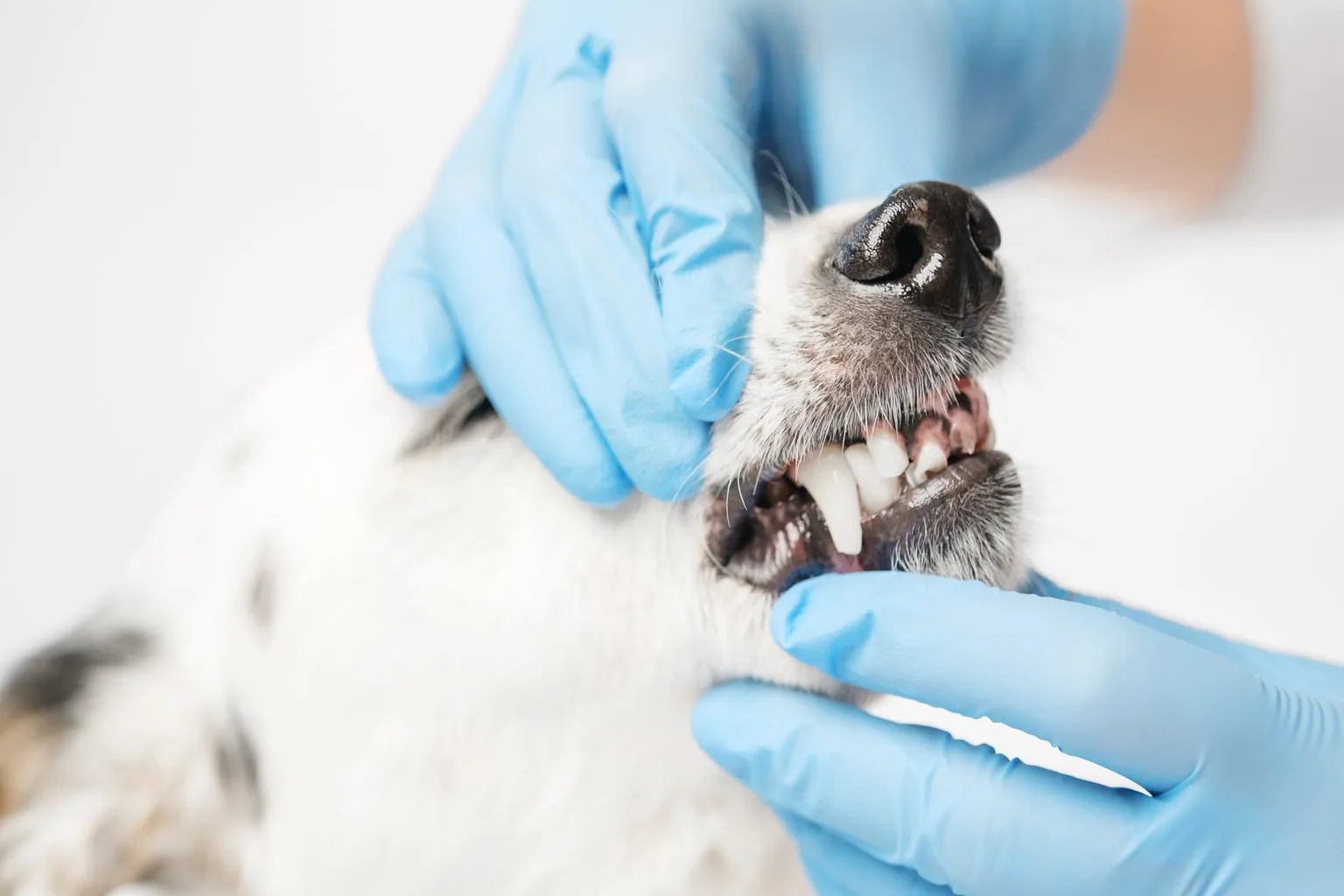
Let's start simple: What is a dog tooth extraction?
A dog tooth extraction – sometimes called canine tooth extraction, dog dental extraction, dog teeth removal or dog teeth extraction – is a surgical procedure where a veterinarian removes one or more teeth, usually under general anesthesia.
Vets pull teeth when they're too damaged, infected or diseased to save – usually due to a broken tooth, advanced periodontal disease or a retained baby tooth that never fell out.
It's one of the most common procedures performed during a dog's dental cleaning and some dogs need more than one tooth extraction in a single visit.

Why Vets Recommend Pulling a Dog's Teeth
Extraction isn't the first option a vet reaches for – it's what happens when a tooth can't be restored. Common reasons include:
- Severe periodontal disease – bone loss around the tooth root makes it unstable and painful
- A fractured or broken tooth exposing the sensitive pulp
- Deep decay or resorptive lesions, common in cats but also seen in dogs
- Retained deciduous (baby) teeth crowding adult teeth
- Abscessed teeth causing infection that can spread to the jaw
If your vet has flagged a tooth for extraction, it's because leaving it in place carries more risk – ongoing pain, infection or bone damage – than removing it.
Dog Tooth Extraction Recovery Timeline

Most dogs recover from a single tooth extraction within 7 to 10 days, though multiple extractions or surgical (root) removals can take up to two weeks.
First 24 hours
Grogginess from anesthesia is normal. Offer water first, then soft or soaked food that evening. Some minor bleeding or blood-tinged saliva is expected.
Days 2–5
Swelling and mild discomfort typically peak here and then ease. Your dog should be eating and drinking normally, just favoring soft food.
Days 5–10
The extraction site closes over. Your vet will usually clear your dog for regular kibble and normal chewing around this point, once they've confirmed healing at a recheck.
Weeks 2+
Full gum healing. This is a good time to reintroduce daily dental care.
Senior Dog Tooth Extraction Recovery: What's Different
Senior dogs can and do recover well from tooth extractions, but a few things need extra attention:
- Pre-anesthetic bloodwork matters more. Vets typically run more thorough panels on older dogs to check kidney, liver, and heart function before anesthesia.
- Recovery may take a few days longer. Older dogs often have slower tissue healing and may need soft food for longer than the standard week.
- Watch appetite closely. A senior dog skipping meals for more than 24 hours after the anesthesia has worn off is worth a call to your vet, since older dogs have less reserve to cope with reduced intake.
- Pain management is usually more conservative, with your vet weighing existing conditions (kidney or liver issues are common in seniors) when prescribing medication.
In general, this doesn't means extraction is riskier for senior dogs across the board – it means the workup and aftercare are more closely monitored.
Dog Tooth Extraction Complications: Symptoms to Watch For
Most recoveries are uneventful, but knowing the warning signs means you catch a problem early. Contact your vet if you notice:
- Bleeding that continues or restarts more than 24 hours after surgery
- Persistent swelling that gets worse rather than better after day 3–4
- Your dog refusing all food or water for more than 24 hours
- Pawing at the mouth, or visible discomfort that doesn't improve with prescribed pain medication
- Bad breath that's noticeably worse than before the procedure, which can signal infection
- Lethargy beyond the first day, fever, or visible discharge from the extraction site

These symptoms don't always mean something is seriously wrong, but they're not things to "wait and see" on. A same-day call to your vet is the right move.
How to Support Your Dog's Recovery at Home
Alongside your vet's specific aftercare instructions, a few things that might help:
- Stick to soft or soaked food for as long as your vet recommends – don't rush back to hard kibble
- Skip chew toys and hard treats until your vet gives the all-clear
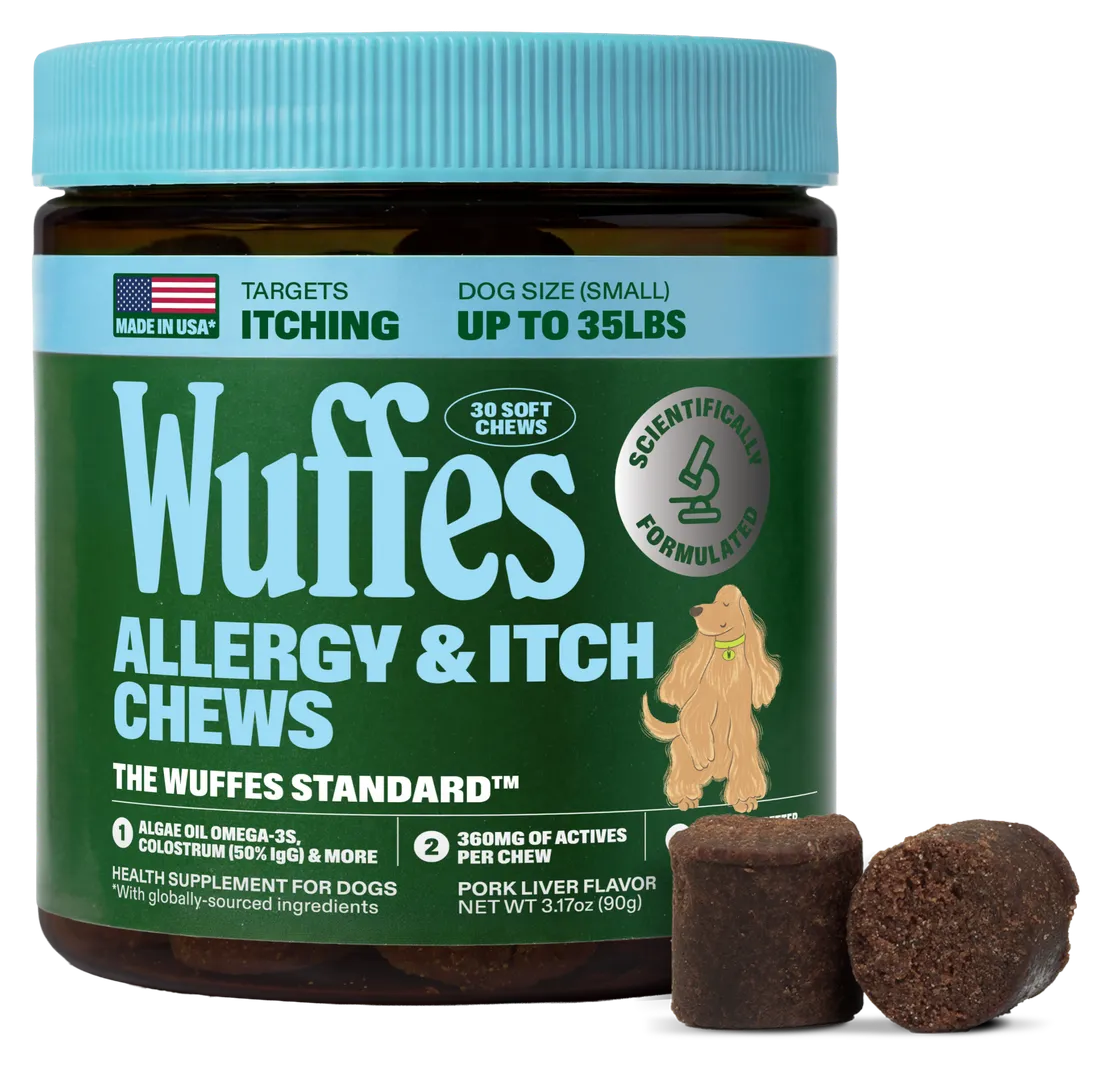
- Watch for stress, especially around the cone or restricted activity – some owners find calming support useful for dogs who get anxious during recovery or vet visits
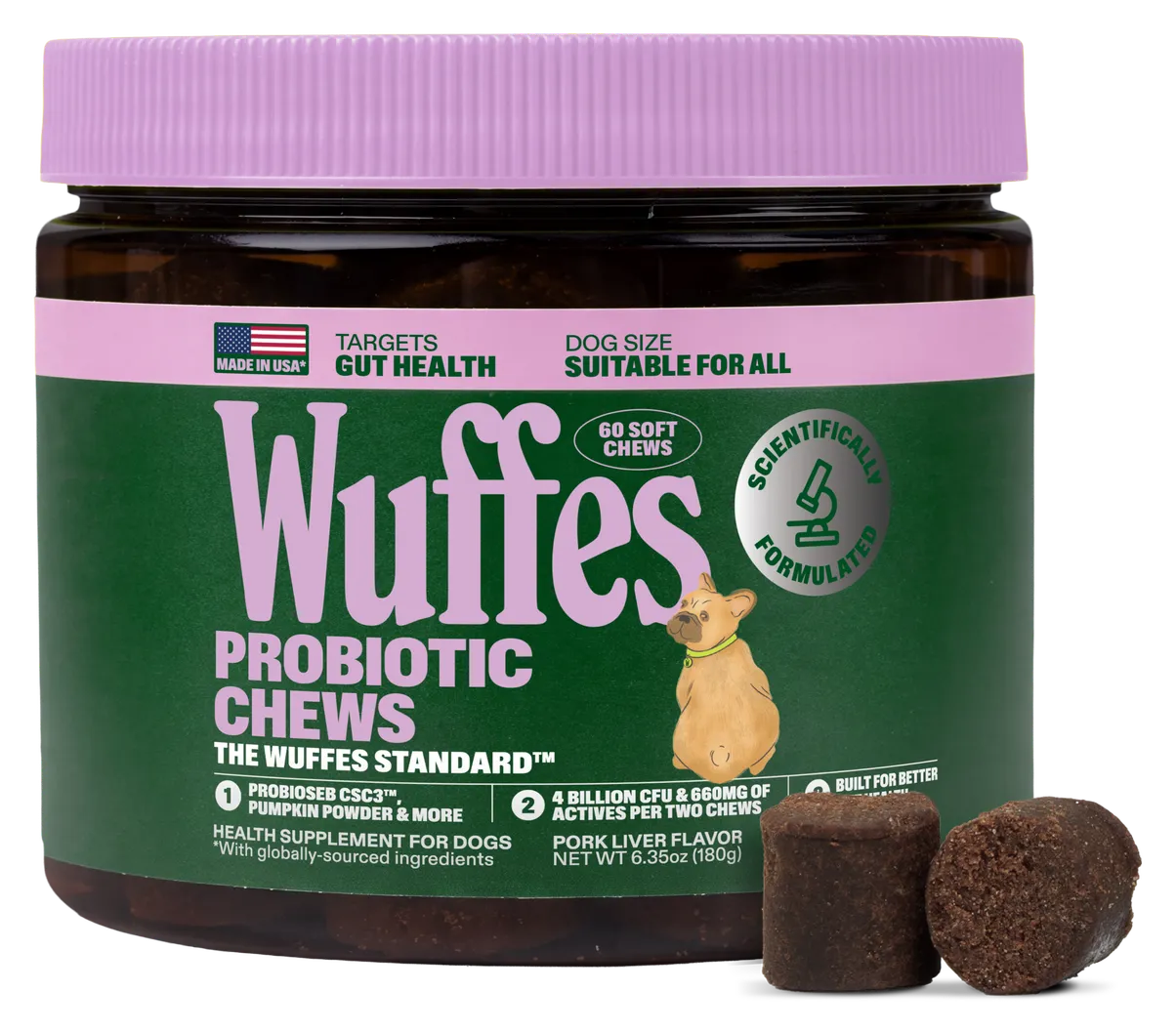
- If your vet prescribes antibiotics, ask whether a gut-supportive probiotic alongside the course is a good fit for your dog
- Once fully healed, rebuilding a daily dental routine – options like Dental Powder help protect the teeth that remain
FAQs
How much does a dog tooth extraction cost?
Costs vary widely based on the number of teeth involved. Factors include whether it's a simple extraction or a more complex surgical extraction requiring an incision and bone removal, and your location and vet's pricing. As a general guide, a single simple extraction is usually around between $150 and $300, while surgical extractions – or cases involving multiple teeth – can run between $800 to $2,000 or more once anesthesia, pre-anesthetic bloodwork, dental X-rays and pain medication are factored in.
Some pet insurance plans cover dental extractions when they're medically necessary rather than cosmetic, so it's worth checking your policy. Your vet can only give you an accurate number after an oral exam and X-rays, because hidden root damage often isn't visible until then.
How long does it take a dog to recover from a tooth extraction?
Most dogs bounce back from a single tooth extraction within 7 to 10 days, although the exact timeline depends on how many teeth were removed, whether the extraction was simple or surgical and your dog's age and overall health. Surgical extractions – where the vet has to cut gum tissue or remove bone to fully free the root – tend to take closer to two weeks to heal completely.
During recovery, some tenderness, mild swelling and a preference for softer food are all normal. Most vets schedule a recheck appointment around the 1 to 2 week mark specifically to confirm the gum has closed over before clearing your dog for regular chewing again.
Can dogs eat normally after a tooth extraction?
Not immediately. For the first 24 hours, stick to water and then a soft, soaked or canned food that evening once the anesthesia has fully worn off. Over the following several days to a week, most dogs stay on soft food while the extraction site heals, since hard kibble and chew toys can irritate the area or dislodge a forming clot.
Your vet will let you know when it's safe to reintroduce regular kibble, usually once they've confirmed healing at a follow-up visit. If your dog seems reluctant to eat even soft food after the first day or two or refuses food entirely for more than 24 hours, that's worth a call to your vet rather than waiting it out.
Is tooth extraction risky for senior dogs?
Senior dogs generally tolerate tooth extraction well and it isn't inherently riskier just because of age. But, vets do take extra precautions to account for conditions that become more common as dogs get older.
This typically means more thorough pre-anesthetic bloodwork to check kidney, liver and heart function, closer monitoring during and after anesthesia and a more conservative approach to pain medication if your dog has any existing organ concerns.
Recovery may also take a day or two longer in older dogs due to slower tissue healing. In most cases, leaving a painful or infected tooth in place carries more risk for a senior dog than the extraction itself.
To Sum Up
A dog tooth extraction is a routine, well-understood procedure that vets recommend when a tooth is too damaged or diseased to save. Most dogs recover fully within 7 to 10 days on soft food, with senior dogs sometimes needing a few extra days and closer monitoring.
Watch for warning signs like ongoing bleeding, worsening swelling or refusal to eat, and call your vet if any appear rather than waiting them out.
Costs and exact timelines vary by case, so your vet's guidance always takes priority over general estimates.