How to Help an Old Dog Walk Better: Mobility Tips and What Actually Works
This guide covers the real reasons dogs lose mobility with age and the practical steps – including supplements – that can help.
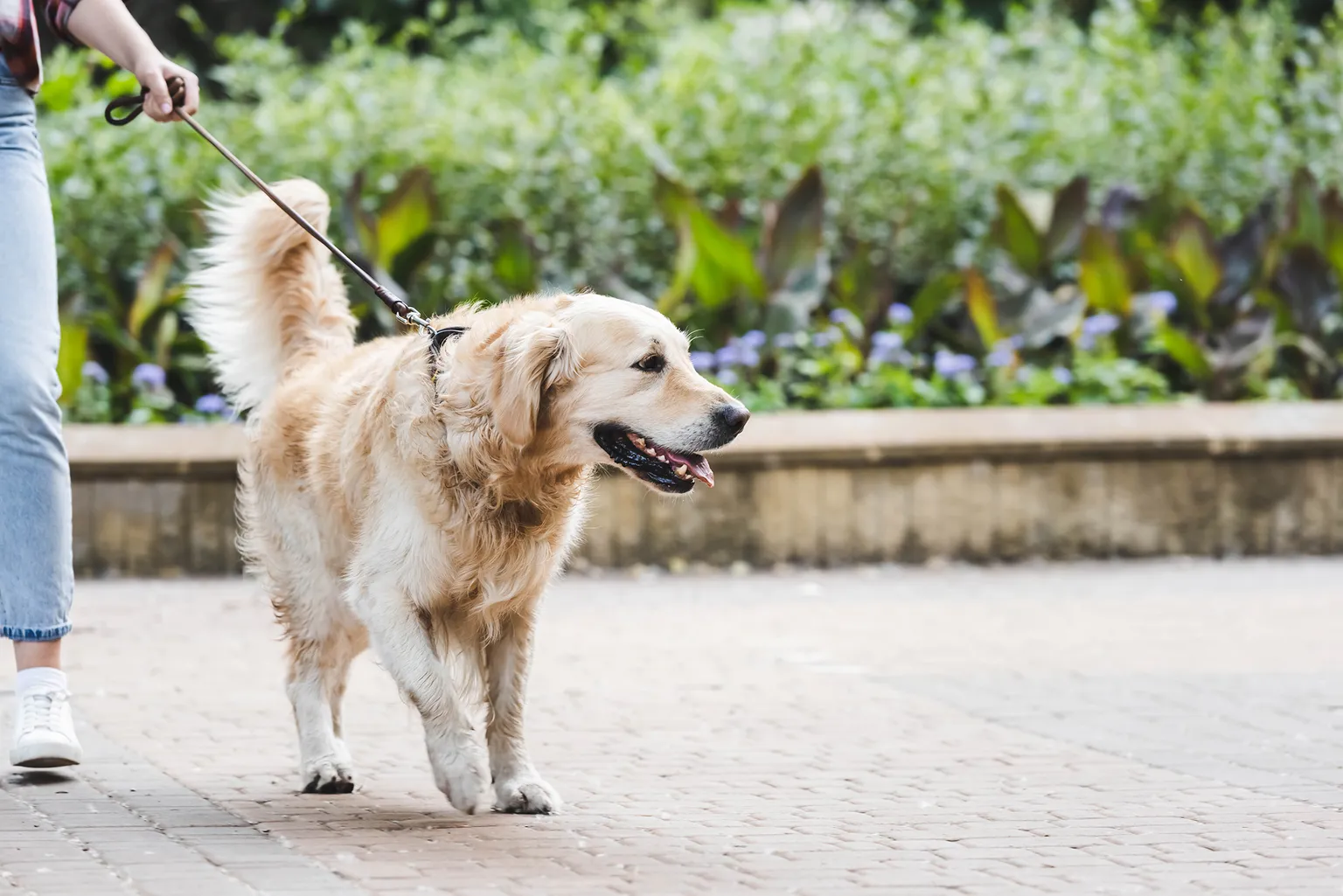
For a lot of dog parents, you see the difference. Your dog used to take the stairs two at a time. Now they stand at the bottom, looking up, deciding whether it's worth it. Maybe they're slower to get up after a nap, or they lag behind on walks they used to lead. If you're watching your old dog struggle to walk, you're not imagining it, and you're not powerless either.
Mobility loss in senior dogs is common, but it isn't something you just have to accept. Small, practical changes at home and on walks can make a real difference to how your dog moves and feels day to day.
This guide isn't a diagnosis. It's a straightforward look at why dogs slow down with age and the steps that actually help.
Why Do Dogs Lose Mobility as They Age?

A few things usually happen at once. Joint cartilage, the smooth cushioning between bones, wears down over time, which can lead to arthritis and stiffness. Muscle mass naturally declines with age, so the muscles that support and stabilize joints get weaker.
Nerve function can also change, affecting coordination and how confidently your dog places their feet. Then there's weight. Senior dogs tend to be less active, and extra pounds put more pressure on joints that are already under strain. The result is a dog that moves less, which leads to more stiffness, which leads to moving even less.
6 Practical Ways to Help Your Old Dog Walk Better
1. Manage Their Weight
This is one of the most effective things you can do. Every extra pound your dog carries adds load to their hips, knees, and elbows with every step. Even a modest amount of weight loss can meaningfully reduce that pressure and make movement more comfortable.
Talk to your vet about your dog's ideal weight, then adjust portions and cut back on high-calorie treats. Swap some treats for low-calorie options like green beans or carrot slices. Weigh your dog regularly so you can track progress and catch any creep before it adds up.
2. Keep Them Moving
It's tempting to let a stiff dog rest, but too much rest usually makes stiffness worse. Vets often describe it as "motion is lotion." Regular, gentle movement keeps joints lubricated, maintains muscle strength, and supports a healthy weight.
The key is consistency over intensity. A few short, easy walks every day will do far more good than one long outing on the weekend. Gentle play, slow sniff walks, and swimming (if your dog enjoys water) are all great low-impact ways to keep an older dog active without overdoing it.
3. Adapt Your Home
Hardwood and tile floors can feel like ice rinks to a senior dog with weak back legs. Add non-slip rugs or runners to the areas your dog uses most, especially around food bowls and their bed. Ramps or pet stairs make it easier to get onto the couch, into the car, or up a few steps without jumping.

Raised food and water bowls reduce strain on the neck and front legs. A supportive orthopedic bed helps too, giving stiff joints a comfortable place to rest and making it easier to get up.
4. Warm Up Before Walks
Just like people, older dogs move better once their muscles are warm. Before heading out, spend a few minutes letting your dog walk slowly around the house or yard. Gentle movement gets blood flowing to the muscles and loosens up stiff joints, especially first thing in the morning or after a long nap.
Start your walk at an easy pace and let your dog set the speed for the first few minutes. This simple habit can make the whole walk more comfortable and reduce the chance of strain.
5. Adjust Walk Length and Surface
Your senior dog's walks don't need to be shorter in total, just broken up differently. Two or three shorter walks spread through the day are easier on aging joints than one long one. Pay attention to the ground, too.
Hard pavement and concrete send more impact through the joints, while grass, dirt trails, and other softer surfaces are much gentler. Avoid steep hills and slippery terrain. If your dog starts lagging, sitting down, or limping partway through, that's your cue to head home and go shorter next time.
6. Add a Joint Supplement
Lifestyle changes do a lot of the heavy lifting, but they work best alongside nutritional support for the joints themselves. A good joint supplement provides the building blocks cartilage and connective tissue need to stay healthy.
For many dog parents of senior dogs, a daily supplement becomes a simple, low-effort part of the routine that supports everything else on this list.
Here's how they work and what to expect...
How Joint Supplements Support Mobility in Older Dogs
Most quality joint supplements combine a few key ingredients. Glucosamine and Chondroitin are natural components of cartilage, and supplementing them helps support the body's ability to maintain and repair it.
Green-Lipped Mussels (GLM) provides omega-3 fatty acids and other compounds that support joint comfort. Collagen supports the structure of cartilage, tendons, and ligaments.
It's worth setting honest expectations. Joint supplements aren't an overnight fix. Most dogs need around four to eight weeks of consistent daily use before owners notice a difference in how they move. Format matters, too.
Liquid supplements are absorbed faster than chews, which can be especially relevant for dogs whose mobility is already significantly affected.
When to See a Vet

Gradual slowing down is a normal part of aging, but some changes need a vet's attention right away. Book an appointment if you notice a sudden change in how your dog walks, if they yelp or flinch when touched, or if they refuse to put weight on a leg.
Loss of bladder or bowel control alongside mobility problems is also a red flag. These signs can point to injury, nerve issues, or other conditions that need proper diagnosis and treatment.
FAQs
Is it normal for older dogs to have trouble walking?
Yes, some decline in mobility is a normal part of aging for many dogs. As dogs get older, their joint cartilage wears down, muscle mass decreases, and stiffness becomes more common, especially after rest. You might notice your dog moving more slowly, hesitating at stairs, or struggling to get up.
That said, normal doesn't mean you should simply ignore it. Gradual changes can often be supported with weight management, gentle exercise, home adaptations, and joint supplements. Sudden changes, limping, or signs of pain are not a normal part of aging and should always be checked by your vet right away.
At what age do dogs typically start losing mobility?
It depends largely on your dog's overall size and breed. Large and giant breeds tend to age faster and may start showing signs of stiffness or reduced mobility as early as six or seven years old. Small and medium breeds often stay active longer and may not slow down noticeably until nine or ten.
Genetics, weight, activity level, and past injuries all play a part in how quickly mobility changes. Because joint changes can begin before you see obvious symptoms, it's worth supporting your dog's joints early, rather than waiting until they're clearly struggling to walk or get up comfortably.
Can supplements reverse joint damage?
No, supplements can't reverse existing joint damage, and it's worth being wary of any product that claims they can. What joint supplements can do is support the health of the cartilage and connective tissue your dog still has. Ingredients like Glucosamine, Chondroitin, Green-Lipped Mussels, and Collagen help support joint structure and comfort over time.
For many older dogs, that support translates into easier movement and a better day-to-day quality of life. Think of supplements as one important part of a wider plan that also includes healthy weight, regular gentle exercise, and a home that's set up for easier, safer movement.
How long before I see improvement?
Most dogs need around four to eight weeks of consistent daily use before dog parents notice a real difference. Joint supplements work gradually, supporting cartilage and connective tissue over time rather than masking symptoms, so patience matters.
Give the supplement every day without skipping doses, and keep an eye out for small changes, like getting up more easily, tackling stairs with less hesitation, or showing more interest in walks. Lifestyle changes such as weight management and regular gentle exercise can start helping sooner. If you see no change at all after two months, talk to your vet about the next steps.
To Sum Up
Watching an old dog struggle to walk is hard, but there's a lot you can do to help. Keep their weight in check, keep them moving with short and gentle walks, and make your home easier to get around. Warm up before walks and choose softer surfaces.
Add a quality joint supplement to support their joints from the inside, and give it a few weeks to work. Most importantly, watch for sudden changes and check in with your vet when something doesn't seem right. With the right support, your senior dog can keep moving comfortably for years to come.