Dachshund Back and Spine Problems: What Every Dog Parent Should Know
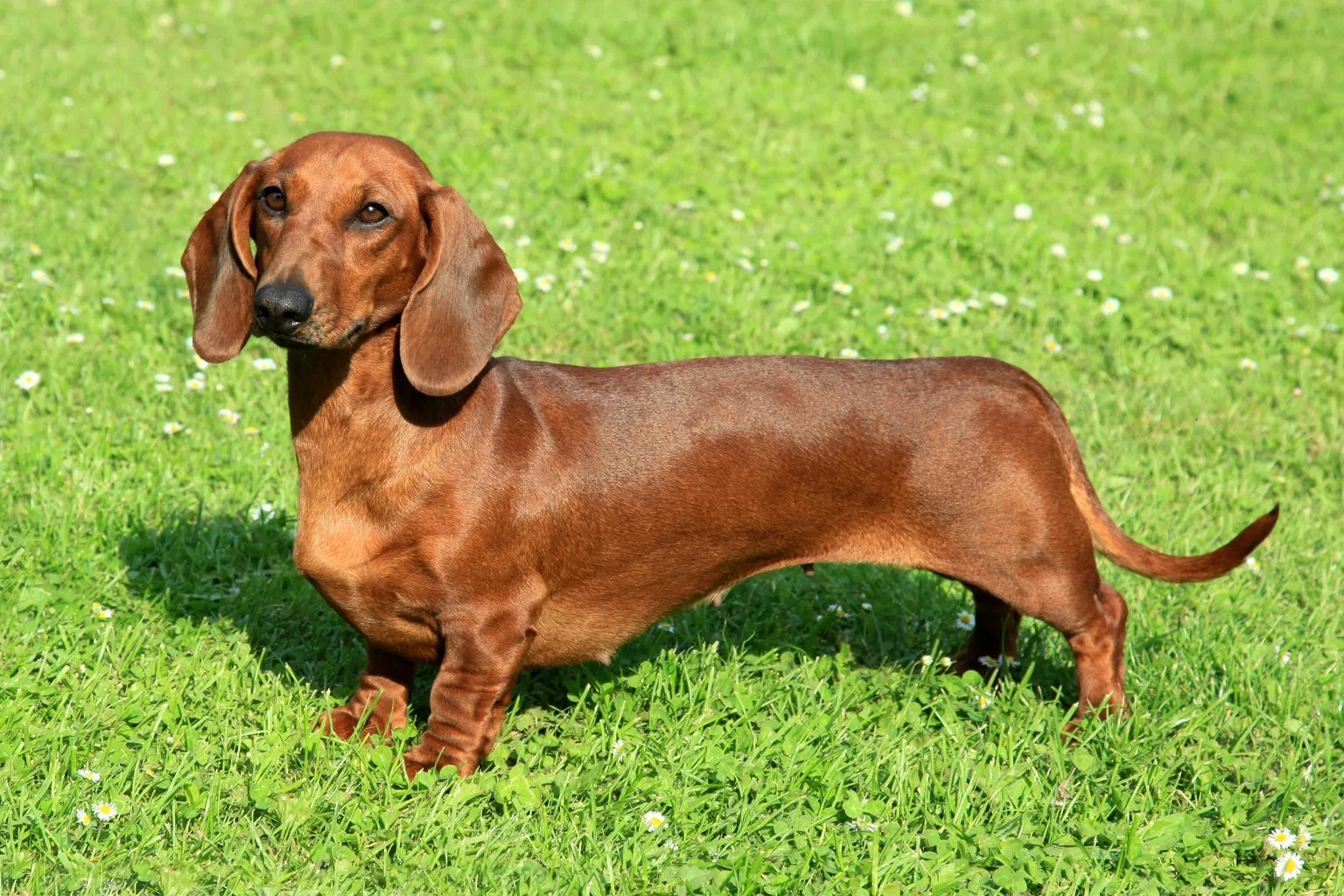
With their long bodies, short legs and big personalities, Dachshunds are easy to love. They're cute. Like, really cute. But that famous shape comes with a catch: Dachshund back problems are far more common than in most other breeds.
The good news? Knowing the warning signs, making a few simple changes at home and supporting your dog’s overall mobility can make a real difference.
In this guide, we’ll walk you through why Dachshunds are prone to spine issues, what IVDD is, the early signs to watch for, and the practical steps you can take to help keep your dog moving comfortably.
Why Dachshunds Are Prone to Back Problems

The main reason comes down to genetics. Dachshunds are a chondrodystrophic breed, which is a technical way of saying that their cartilage develops differently. It’s the same trait that gives them their short, sturdy legs.
Unfortunately, it also affects the discs in their spine. In most dogs, these discs stay soft and springy, acting like little shock absorbers between each vertebra. In chondrodystrophic breeds, the discs can start to dry out and harden much earlier in life.
Hardened discs are less able to cushion movement, which makes them more likely to bulge or rupture.
Add a long back that acts like a lever, plus a natural love of jumping on and off furniture, and you can see why Dachshund spine problems are so common.
What Is IVDD?
IVDD stands for intervertebral disc disease. It happens when one or more of the discs between the vertebrae bulges or bursts, pressing on the spinal cord or nearby nerves. Depending on where it happens and how severe it is, IVDD can cause anything from mild back pain to weakness, wobbliness or even paralysis.
There are two main types:
- Type 1 IVDD is the most common form in Dachshunds. The hardened inner material of a disc suddenly bursts out, often after an ordinary movement like jumping off the couch. Symptoms usually appear quickly.
- Type 2 IVDD develops slowly. The disc gradually bulges over time, and it’s more often seen in older, larger dogs. Signs tend to creep up over weeks or months.
For most Dachshund parents, Type 1 is the one to be most aware of, because it can strike suddenly in an otherwise healthy, active dog. If you're ever unsure, contact your vet for more information.
Early Warning Signs Every Dachshund Dog Parent Must Know
Dogs are good at hiding discomfort, so the early signs of a back problem can be subtle. Keep an eye out for:
- Reluctance to jump, climb stairs or go for walks.
- A hunched back or tense, tucked-up belly.
- Crying or yelping when picked up or touched.
- Shaking or trembling when it isn’t cold.
- Holding the head low or not wanting to turn the neck.
- Wobbly walking, stumbling or dragging the back legs.
- Knuckling (walking on the tops of the paws).
- Loss of bladder or bowel control.
If your Dachshund is suddenly quieter than usual, hiding or just “not themselves,” trust your instincts. Back discomfort is often the first thing behind a change in mood.
What to Do If You Suspect a Back Problem

If you notice any of the signs above, call your vet right away. Back problems can get worse quickly, and early treatment often leads to a better outcome. In the meantime:
- Keep your dog calm and still. Limit movement as much as possible and avoid stairs, jumping and play.
- Pick them up carefully. Support both the chest and the back end at the same time so the spine stays level.
- Don’t give human pain medicine. Many common painkillers are toxic to dogs.
- Treat it as an emergency if your dog is dragging their legs, can’t walk or has lost bladder control. Head to your vet or an emergency clinic immediately.
Your vet will examine your dog and recommend the right next steps, which might include strict crate rest, medication, physical therapy or, in more serious cases, surgery.
Prevention: Protecting Your Dachshund’s Back
You can’t change your Dachshund’s genes, but you can reduce the everyday strain on their spine. How? Here's a few things you can do...
Keep them at a healthy weight
Every extra pound puts more pressure on a long back. Ask your vet what your dog’s ideal weight is, measure meals and go easy on treats.
Use ramps and steps
Pet ramps for the couch, bed and car let your dog get up and down without jumping. Baby gates can help block off stairs.
Limit jumping and rough play
Discourage leaping off furniture and avoid games that involve sharp twists or standing on the back legs.
Lift the right way
Always support the chest and hindquarters together, and teach kids and guests to do the same.
Keep them active and fit
Regular, gentle walks help maintain the muscles that support the spine. A harness is kinder to the neck and back than a collar.

Can Supplements Help?
Supplements can’t cure IVDD or replace veterinary care, but they can be a helpful part of a long-term plan to support your Dachshund’s comfort and mobility. When choosing a Dachshund back supplement, look for ingredients that support joints, connective tissue and a healthy inflammatory response, such as:
- Glucosamine and Chondroitin, building blocks that help support healthy cartilage.
- Omega-3 fatty acids (from fish or Green-Lipped Mussels), known for their natural anti-inflammatory properties.
- MSM, a source of sulfur that supports connective tissue.
- Turmeric, a popular botanical for joint comfort.
- Hyaluronic Acid, which helps support joint lubrication.
For the best results, start supplements early and give them consistently, since benefits build over time. Always check with your vet before adding anything new, especially if your dog is recovering from a back injury or taking medication.
FAQs
Is IVDD painful for Dachshunds?
Yes, IVDD is usually painful for dogs, although how much pain depends on the type and severity of the disc problem. When a disc bulges or ruptures, it puts pressure on the spinal cord and surrounding nerves, which can cause back or neck pain.
Some Dachshunds yelp, tremble or refuse to move, while others seem quiet or withdrawn. In some severe cases, nerve damage can reduce feeling in the legs. Because dogs often hide discomfort, any change in behavior, posture or movement is worth taking seriously. Your vet can recommend pain support and a treatment plan to keep your dog comfortable.
Can IVDD be prevented in Dachshunds?
IVDD can’t be completely prevented in Dachshunds because the risk is largely genetic, but you can lower the chances of a serious episode. The most effective steps are keeping your dog at a healthy weight, using ramps so they don’t jump on and off furniture, and limiting stairs.
Supporting both ends of the body when you lift them protects the spine, and regular gentle exercise keeps the supporting muscles strong. Using a harness rather than a collar reduces neck strain. Many dog parents add a joint supplement to support long-term mobility. Small, daily habits like these can make a real difference.
What age does IVDD typically appear in Dachshunds?
In Dachshunds, IVDD most often appears between three and seven years of age, although it can happen earlier or later. Because their discs can begin to harden while they’re still young, some Dachshunds show signs of back trouble before their third birthday.
Others may not have problems until they’re seniors. Type 1 IVDD, the sudden form most common in the breed, tends to strike in early middle age, while the slower Type 2 is more likely in older dogs. Since there’s no “safe” age, it’s a good idea to start back-friendly habits like using ramps and weight management from puppyhood.
Will my Dachshund always have back problems?
Not necessarily. Many Dachshunds live long, happy, active lives without ever having a serious back problem, and plenty of dogs that do develop IVDD go on to recover well. Mild cases often improve with rest, medication and physical therapy, while more severe cases may need surgery.
That said, a dog that has had one disc episode is more likely to have another, so ongoing care matters. Keeping your Dachshund lean, using ramps, avoiding jumping and supporting their joints and mobility can all help. Work with your vet on a long-term plan to keep your dog’s back as healthy as possible.
To Sum Up
Dachshund back problems are common, but they don’t have to define your dog’s life. Understanding why the breed is prone to IVDD, spotting the early warning signs and acting fast with your vet are the most important things you can do.
Pair that with everyday habits like weight management, ramps and careful lifting, plus consistent joint and mobility support, and you’ll be giving your Dachshund the best chance at a long, comfortable and active life.