Dog Mobility: The Ultimate Guide
We're delving deep into it all. From what can cause poor mobility to what the solutions are and the additional changes you can make at home, in their diet and for their mental well-being.
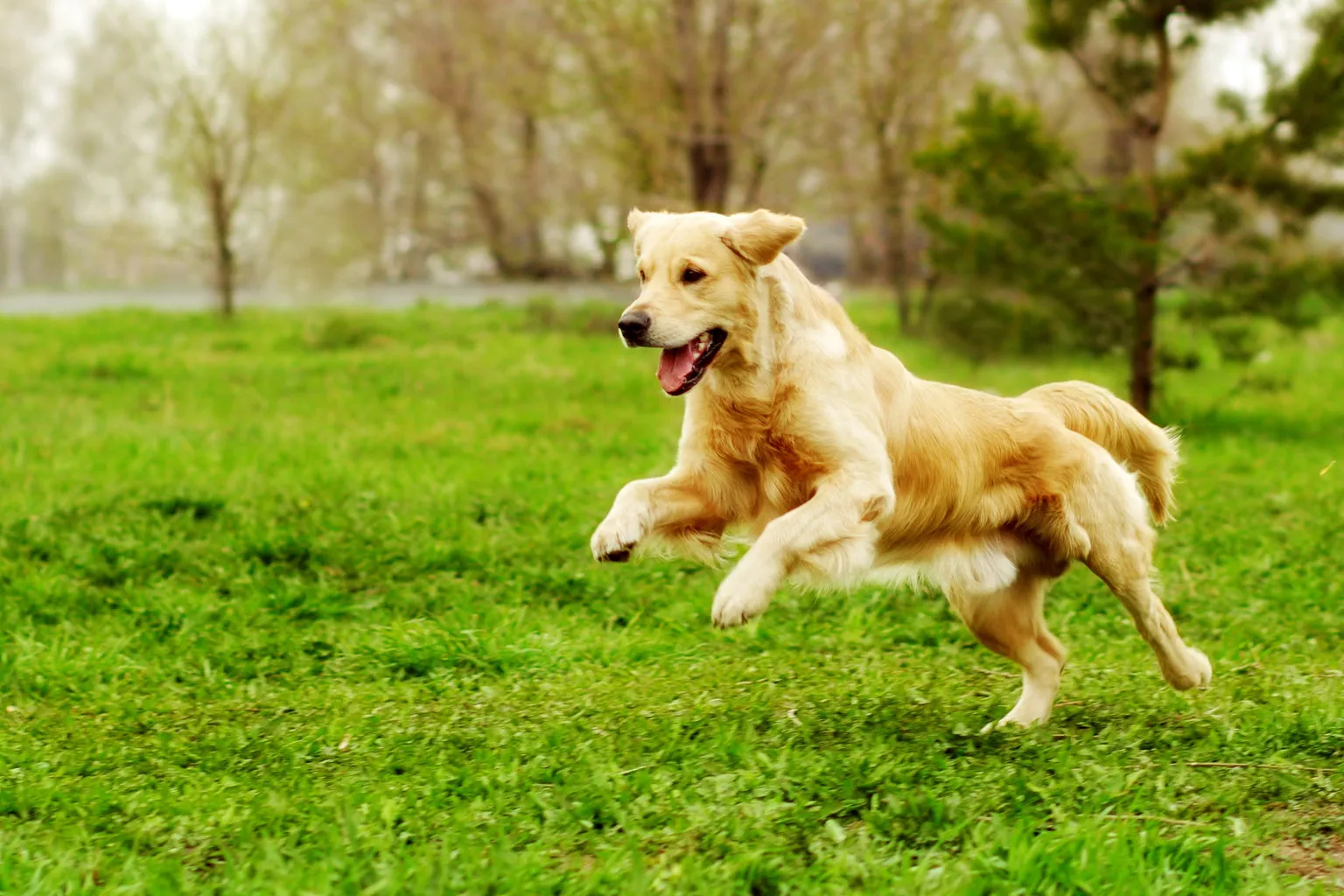
A dog’s mobility is an important part of their life. Naturally, they love to run, walk, investigate and play, but when this feels painful, it’s a different story. Their whole world can feel different.
That’s why we’re breaking it all down for you, so you know exactly what to look for, how it can be treated and ultimately, how to maintain your dog’s mobility for the rest of their lives, so they can keep on keeping on without feeling pain.
What is Dog Mobility?
Dog mobility is essentially the term for a dog’s movement. How easy it is for them, if it’s pain-free and how comfortable it is for them.
The way you can usually measure or track a dog’s mobility is by seeing how they go about their daily activities; sleeping, getting up and down stairs, running, walking and playing.
What normal dog movement looks like
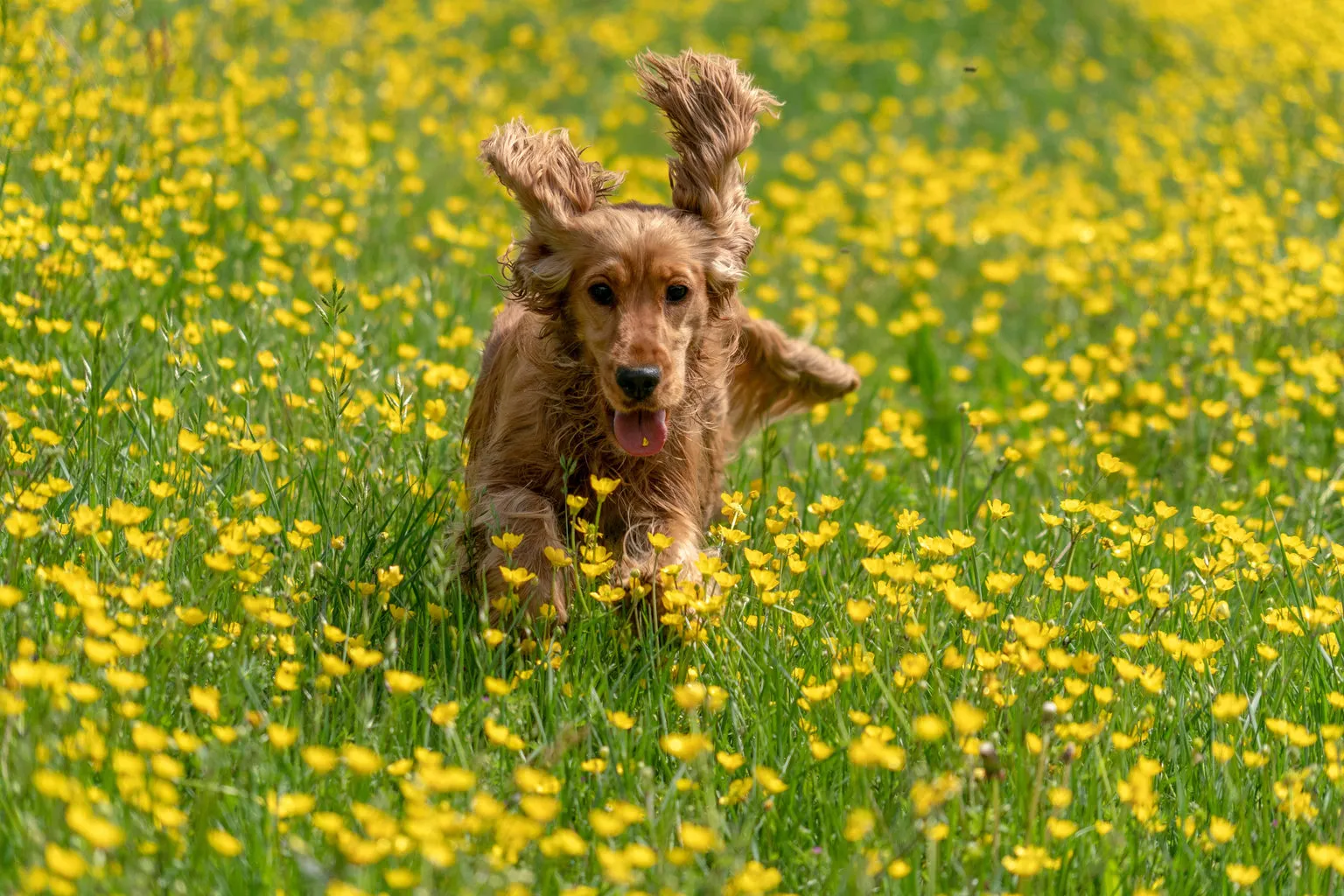
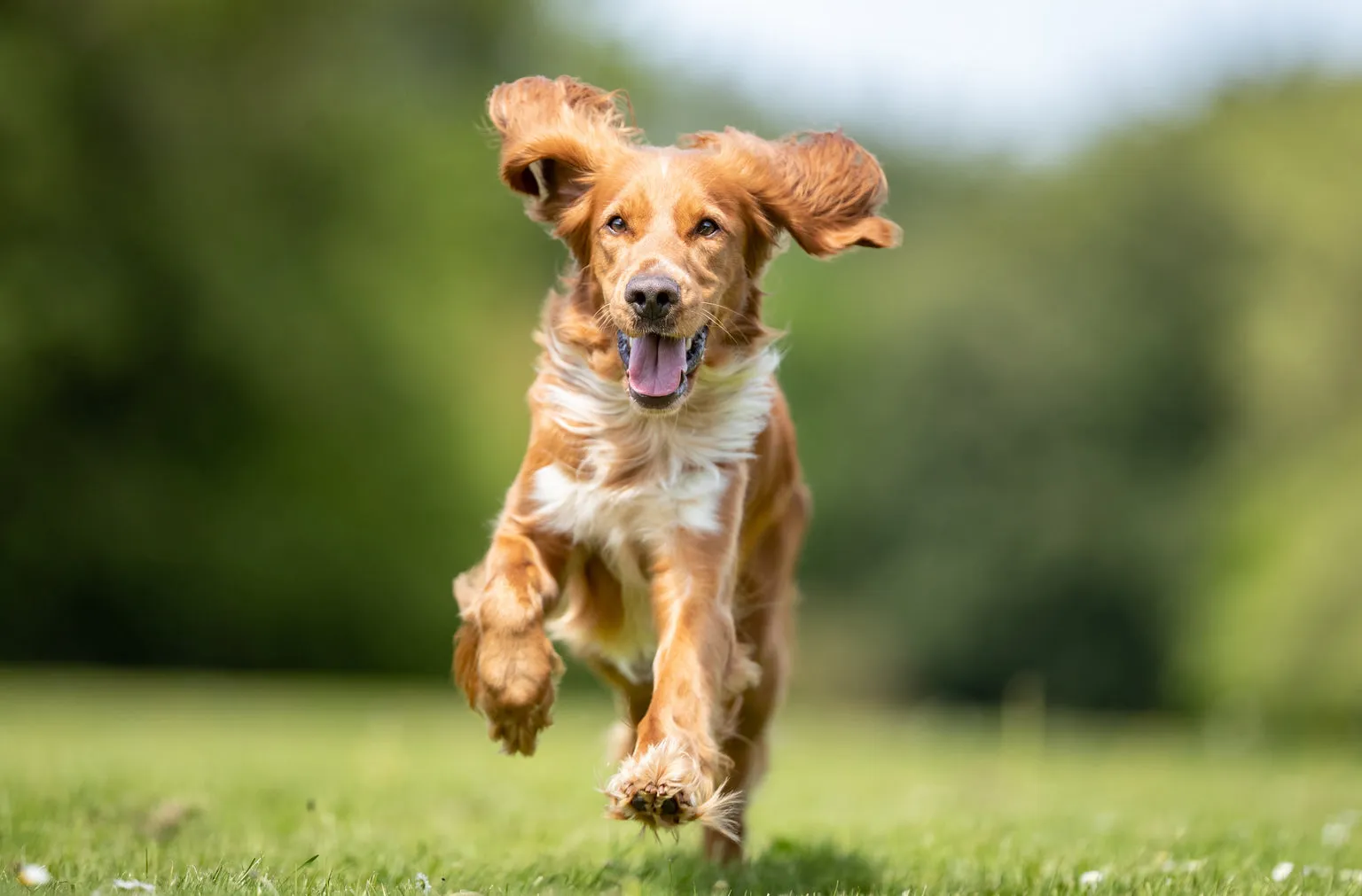
A dog’s normal movement is called their gait and a dog, on average, has around four to six gaits. Let's run through the main ones...
Movement type one – Walking
This gait will usually be one of their most common movement types, categorized by a dog having three paws on the floor at once. If you listen to how they walk, you should be able to count four beats (1-2-3-4) for every paw that touches the floor. Their hips should sway gently and symmetrically.
Movement type two – Trotting
This trotting gait is used for more long distance movements. A healthy trotting gait involves their opposite legs moving at the same time (the left front leg and the back right leg and then the right front leg and the back left leg). If you listen to how they walk, you should be able to count two beats (1-2) for every paw that touches the floor.
Movement type three – Canter
This type of gait is also used for long distances, with a three beat rhythm when they move. So, listen out and you’ll hear this rhythm (1-2-3). It’s faster than a trot, but slower than a gallop.
Movement type four – Gallop
This is the fastest movement a dog can make and is essentially a dog’s version of a run. This is a four beat rhythm, so when they move, there will be times where all four legs are off the ground.
Signs of Dog Mobility Problems
Dogs are genetically coded to hide their pain. This means that we, as dog owners, are only able to see that a dog’s in pain, until it’s a lot further down the line. With this said, it’s important to be super vigilant and always check to see if anything’s changed with their mobility. There’s a couple of areas you can keep track of...
Physical signs of dog mobility issues
- They start to ‘bunny hop’, rather than keeping a smooth, rhythmic gait.
- They look like they experience a lot of stiffness after they’ve moved around (walking/running/getting up on down).
- They’re starting to walk on their pads and not their paws. This is usually a nerve issue.
- Their front leg muscles look weaker and thinner and their back leg muscles are bulkier, compensating for a change in uneven weight.
Behavioral signs of dog mobility issues
- They’re more hesitant to move up and down, jump, exercise, walk and run.
- They’re starting to slow down on walks.
- They’re excessively licking their joints to try and soothe the pain.
- They're acting out of character by being more aggressive and irritable than normal. Not wanting to be touched is a super common example of this.
Why dog mobility declines over time
As dogs age, their mobility tends to get worse over time for a few key reasons.
Naturally, a dog’s body experiences a lot of pressure, especially when they move and especially for certain breeds, like Golden Retrievers, that are predisposed to have joint issues, like Osteoarthritis. According to the Dog Aging Project, up to 80% of dogs older than eight years suffer from Osteoarthritis – a common chronic progressive disease that affects a dog’s joints.
They may also start to experience muscle loss, because of the pain they’re experiencing. They tend to use their back legs instead of their front to carry the majority of their weight, so their front legs will start to look and feel weaker and thinner, while their back legs experience the opposite.
The more pain they’re in from a joint issue, like Osteoarthritis, the more they’re less inclined to actually want to move. This can often mean that they gain weight, because they’re not exercising or moving, which is the key to a healthy dog.
Think of it like a cycle – where one issue can cause lots of other issues and the loop continues.
Common Causes of Dog Mobility Issues
There are lots of reasons why a dog’s mobility gets worse, so let's run through the five main reasons…
Arthritis and joint degeneration
As a dog ages, their cartilage (the muscle that acts as a ‘shock absorber’ and connector between two bones), starts to naturally become thinner and fragile. When this starts to degrade, the joint starts to become stiffer because there’s more friction between the two bones.
The dog’s body will try to repair this, sending white blood cells to clean up the joint and ease the stiffness, but this ends up eating away at the existing healthy cartilage. This then results in a stiffer, more painful experience for the dog and their joints. The first and main joint issue they’ll encounter as a result of this inflammation and joint pain, is called arthritis. It’s usually referred to as a ‘wear and tear’ type of condition that makes dog mobility a real pain.
Hip dysplasia and structural problems
In other cases, a dog may experience hip dysplasia, which is essentially where the fit of a dog’s hip joints aren't as they should be. The hip socket can be too shallow or shaped incorrectly since birth. Their hip joints end up causing friction, as opposed to working together smoothly, like a normal joint would. Because this joint is quite painful for a dog, they’ll often shift their weight to their other legs, putting their weight onto this joint more than they usually would. This can often result in the same sort of issue developing.
With a condition like Hip Dysplasia, the joints can sometimes pop out of place and wear down, especially if the dog is more senior, because their immune system is less effective at helping the pain.
Injuries and post-surgery mobility challenges
When a dog goes through an injury that needs surgery, their muscles and joints won’t be the same as they would be before they had the injury. Of course, it’ll be better in terms of getting that function back, but the structure has been changed. Dog mobility depends on the baseline state of their joints. Even if they went through surgery in their early years, the same thinking still applies.
If the injury to muscle is quite deep, it can create scar tissue, which is stiff, inelastic and doesn’t have great blood flow to it. That just means that this muscle will be prone to stiffness, inflammation and pain. When this area is becoming more painful, the dog will tend to shift its body weight to another area, which can then cause issues to occur in that joint, because it’s dealing with added pressure and body weight it’s not used to.
The other important factor to note, is that injuries can also affect the dog’s nerves that are there. So, as dogs age, they may not be able to detect their paw slipping or sliding and react to this.
Neurological conditions affecting dog mobility
Naturally, as a dog ages, the communication between their brain and their limbs gets worse. The most common condition associated with this is Degenerative Myelopathy, which is a progressive disease that affects a dog’s spinal cord. A dog with this condition is a little more wobbly on their legs and can sometimes develop muscle paralysis.
Smaller dogs that are long and short, like Dachshunds and Corgis, can sometimes get slipped discs. This is called Intervertebral Disc Disease (IVDD).
Another common condition you might see in older dogs is Canine Cognitive Dysfunction (CCD), which is a condition similar to Alzheimer's. Dogs can become more disoriented, peeing and pooping inside the house, forgetting their puppy training, have anxiety and disturbed sleep.
Weight and fitness-related dog mobility issues
A dog’s weight is the main factor we, as dog owners, can control. They should be lean and consume the right amount and the right kinds of food. You can usually tell if they’re lean, by running your hands along their sides, where you should feel a light layer of fat and then their rib cage.
When a dog is overweight, this adds pressure onto their joints. This then causes the release of cytokines, which cause inflammation in the joint. Over time, the pain becomes worse and worse, if there’s no intervention.

When it comes to fitness, if a dog isn’t regularly exercising and then starts exercising, sometimes they can develop a microtear in their muscles. It’s essentially an over-use of their muscles after not having used them properly in a while. Any exercise-related injuries will take an older dog much longer to recover from.
How to Improve a Dog’s Mobility Naturally
The good news is, you can help your dog’s mobility improve through natural ways that don’t involve medication. These are four of the main ways you can help your dog’s mobility…
Safer exercise and movement for dog mobility issues
Try to avoid high-impact exercises like running. Instead, choose more low-impact exercises, like a gentle walk, where your dog can stop and sniff as they explore the outside world. When they sniff, it actually helps promote a sense of calm in their nervous system, so this is a major win.
The water is a dog’s best friend for gentle movement. They can either swim or try an underwater treadmill, which lets them exercise, without feeling any of the joint pressure or strain. It’s genius, really.
More generally, if there’s any way you can avoid stairs and hills, do this. Try to stick to flat, firm and solid surfaces, which put less pressure on their joints.
Weight management for better mobility
Managing a dog’s weight is super important for their overall mobility. According to the Purina Institute, dogs that kept a lean weight were more likely to live 1.8 years longer than dogs who didn’t.
Start off with what they’re being fed. Try to aim for a balance of high quality protein, Omega-3 fatty acids and fresh fruit and vegetables, like blueberries to add as a topper to their meals. What’s super important here is the amount you feed your dog. This should be a portion that’s just the right amount for your dog’s weight and the amount they should eat is, on average, twice a day.
So what does a healthy weight look like? Well, if you run your hands on either side of their body, you should feel a light layer of fat, then their ribcage. Their bellies should also slope upwards from their chest to their back legs.
If they’re eating the right things, at the right amounts and exercising, their weight should be kept as lean as possible.
Home modifications that support dog mobility
The home environment is a super important part of a dog's mobility journey, mainly because there are so many challenges there; stairs, sofas, slippery kitchen surfaces, the list goes on. So, what can you do to help?
If you’ve got slippers floors, there are toe grips that you can add to your dogs toes, that really help them grip to the floor easier. A great, affordable addition, is also laying yoga mats on the routes that they usually take around the house. It’s spongy and solid enough for them to grip onto.
Jumping puts a lot of stress on a dog’s joints. For anywhere that has a large distance for a dog to jump off and onto, try to add a ramp, so that they’re able to gently move from one spot to another. There are tons of adjustable ramps you can get, where you can customize the height for your dog.

Their bed is also a key area you’ll want to look at. Instead of harsh, solid bedding, try to go for a memory foam bed. It’ll mould to your dog’s body, which means that when they’re looking to get up and down from their bed, they’re not putting extra pressure on their joints.
Supplements and Treatments That Support Dog Mobility
As well as natural methods, there are also a ton of supplements and treatments that can be really effective at improving dog mobility, so let's get into it...
Joint Supplements for Mobility Support
Joint Supplements are a great natural way to support your dog’s mobility issues, whether they're chews or a joint liquid. What’s most important to look out for is the quality of the supplement. Brands should display accreditation from bodies like the National Animal Supplement Council (NASC), show that the product is third party tested and made with science-backed ingredients. The specific supplement isn’t as important as what’s in it.

The supplement for joint support should contain three key ingredients:
Glucosamine – maintains the health of the cartilage in the joint and maintains the integrity of the synovial fluid in the joint, which helps with overall mobility and reducing occasional stiffness.
Chondroitin – helps reduce discomfort, stimulates collagen and hyaluronic acid production for better movement and stimulates cartilage repair.
MSM – helps to improve blood flow to the affected areas and reduce discomfort and stiffness.
Anti-inflammatory and pain management options for dog mobility
There are medications available for dogs who are having trouble with their mobility, but it all depends on which type of pain and condition they’re dealing with.
Non-steroidal anti-inflammatory drugs (NSAIDs) for dog mobility
These are medications that work by blocking the chemicals responsible for causing pain and swelling. The most common brands are; Rimadyl, Galliprant, Metacam and Deramaxx.
Nerve-specific medications for dog mobility
Sometimes, it’s not just the joint that’s causing pain – it’s the nerves, too. There are two main nerve medications; Gabapentin, which treats nerve pain and arthritis by calming the nerves and Amantadine, which acts more like a ‘booster’ for treating nerve pain.
New therapies for dog mobility
The more recent medical invention for treating dog mobility, are injections, like Librela. In this treatment, a dog receives a monthly injection of Nerve Growth Factor, which helps stop any pain signals from reaching the brain.
Prescription vs over-the-counter treatments for dog mobility
There’s a big difference between what’s prescribed and what’s available over-the-counter. With over-the-counter treatments, they’re often designed to support the function of your dog’s joints, so they contain ingredients that help to maintain cartilage and synovial joint fluid. With prescription treatments, these change your dog’s physiology. They actually block the pain signals and the inflammation that can come with joint issues.
Prescription treatments are usually better for long-term support and they often take longer to work. They’re also quite cheap.
Over-the-counter treatments are usually best for immediate pain control, they act super quickly, but they are quite expensive.
A vet will usually recommend multiple treatments for a dog’s mobility, so it’s best to consult your vet for a bespoke treatment.
Alternative therapies
If you’re looking for non-medical solutions, there’s a few options you can try.
Hydrotherapy
This is great to keep a dog’s exercise routine, without adding extra pressure to their joints. They get full range of motion. The main way dogs are able to do this is with an underwater treadmill.

Veterinary acupuncture
Just like how humans can get acupuncture, dogs can get the same. The treatment involves inserting super fine needles into the areas of a dog's body where their nerves meet and bundle up. This tends to improve blood flow and releases the body’s natural painkiller, endorphins.
FAQs for Dog Mobility
What to do if your dog can’t walk?
It can be super scary if you notice that your dog can’t walk properly. First, you need to assess the situation. So, check if they’re in pain – ask yourself, are they making any noises, like panting or whimpering? Try to also gently pinch the middle of their paw. If they pull away quickly, it’s likely that they’re in pain. Their gums should also be bubblegum pink.
If you think their issue is spinal-related, it’s important to handle them with a lot of love and care. Try to place them onto something like a stretcher, like a long piece of plywood or wrap a towel around them and use it as a sling to get them to see a vet immediately.
Whatever you think they’re dealing with, it’s important to consult your vet ASAP.
What to do when a dog loses mobility?
This can either be a gradual loss of mobility or a super quick. Either way, it’s something we, as dog lovers, don’t want to see. The first thing you’ll need to do is try to figure out what has caused their poor dog mobility. Is it their spine, muscle or joint degrading? There’s a ton of causes. If it’s not super obvious, head to your vet’s office and book an appointment.
Once you’ve got the reason why your dog's mobility is getting worse, it’s time to put some preventative measures in place. This includes things like making their home environment more mobility-friendly, by adding ramps and giving them toe grips to changing their bedding to memory foam.
When it comes to helping them move everyday, there are harnesses, like the Help ‘Em Up harness, that are really great at giving you more control over their movement, putting less pressure on their joints. There are also wheelchairs you can buy for them, that take the pressure off, too.
When to see a vet about dog mobility?
The answer to this question all depends on what the severity of their issue is.
Go to the vet now, if…
They show signs of sudden paralysis, knuckling (walking on their paws instead of their pads), if they're holding a leg off the ground and refusing to put it down on the ground, constantly yelping or howling, if their leg or paw feels cold or if they collapse.
Go to the vet in 48 hours, if…
They’ve been limping for 2 days, if they’ve got morning stiffness that hasn’t resolved itself after two days, if they’re showing signs of swelling or they’re hotter than usual.
Go to the vet and book a check-up appointment, if…
They’re doing a ‘bunny hop’, instead of using both back legs at once, they’re hesitating to move, their muscles look weaker and thinner than usual, if they’re licking a joint a lot more than they should be or if you can see their behavior has shifted towards more anger irritability.
Can dog mobility issues be resolved?
The answer to this depends on what the issue is. As dogs age or if they’ve experienced an injury, it’s possible that their dog mobility issue is harder to resolve. But, if it’s due to being overweight, this is an issue that can be resolved by portion control, a better diet and exercise.
Conditions like arthritis can also flare up. In this case, the symptoms can be resolved quickly with the help of medication.
With the more chronic form of arthritis, Osteoarthritis, what is lost in the joint, like the cartilage, is lost. This can only be maintained as it is, so can’t fully be resolved. Treatments like hydrotherapy can help support the function of a joint, but it won’t be able to fully resolve it.
How long can a dog live with mobility problems?
This answer really depends on how healthy the dog is and what their quality of life should be.
When a dog experiences mobility problems, they’re not dying, but they are in pain. This means their quality of life is low. Thankfully, because of modern medicine, a lot of dogs will be able to avoid feeling the pain their mobility problems would usually cause. As long as a dog’s receiving the right treatments, they can lead a healthy, happy life for the rest of their days.
To Sum Up
From what can cause poor mobility to what the solutions are and the additional changes you can make at home, in their diet and for their mental well-being, we've covered it all. Dog mobility issues are incredibly irritating for you and your pup, so the sooner you know, the sooner you can help find a solution and they can lead happy, healthy lives.