Hip Dysplasia in German Shepherds: Signs, Prevention & Supplements
German Shepherds are prone to hip dysplasia. Learn the early signs, how to slow progression, and which supplements vets recommend to support joint health.
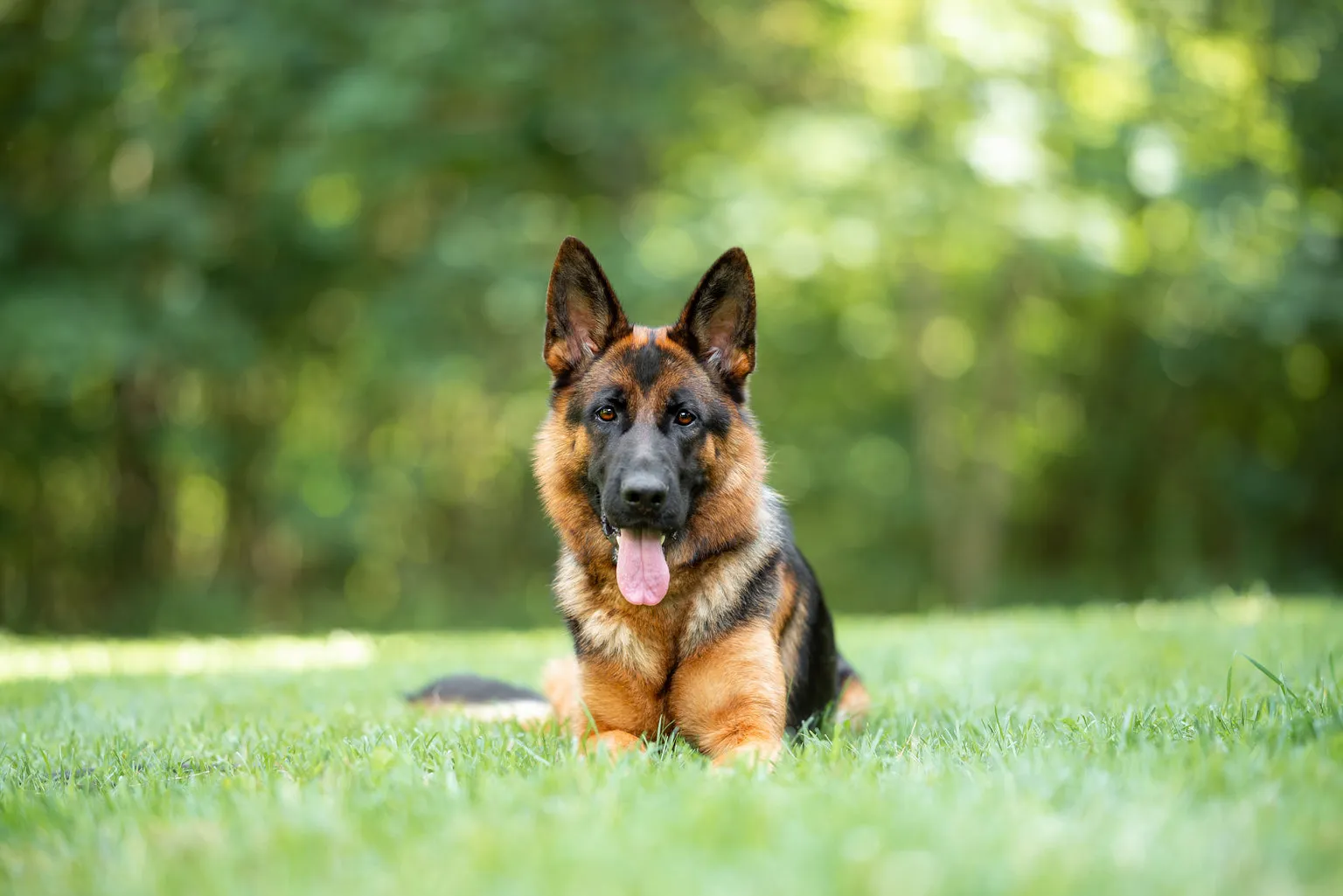
Hip dysplasia is one of the most common health problems in German Shepherds. It happens when the ball and socket of the hip don't fit together properly, so the joint grinds instead of gliding.
Genetics play the biggest role, but weight, diet, and exercise all shape how it plays out.
Here's how to spot it early, what your vet will do, and where supplements fit in.
What Is Hip Dysplasia?
Hip dysplasia is an abnormal development of the hip joint. In a healthy hip, the ball at the top of the thigh bone sits snugly in the pelvic socket. In a dysplastic hip, it's loose. That looseness wears cartilage down unevenly, which leads to inflammation and, over time, osteoarthritis.
German Shepherds are high risk for three reasons: A strong inherited tendency, a large frame that puts more load on the joints, and fast growth as puppies.
Early Signs to Watch For

- Bunny hopping: Moving both back legs together when running.
- Gait changes: A swaying or waddling walk, or a narrow back-leg stance.
- Reluctance to exercise: Slowing down on walks, avoiding stairs, hesitating before jumping into the car.
- Stiffness after rest: Trouble getting up, especially after naps or first thing in the morning.
- Thinning thigh muscles: Back legs look smaller as the shoulders take on more of the work.
- Sensitivity: Wincing or pulling away when you touch the hips.
Signs can appear in puppies as young as four months, or not until middle age, when arthritis sets in. If you're unsure about anything, it's best to check with your vet first.
Diagnosis and What Your Vet Will Do
Your vet will start with a physical exam, watching how your dog walks and gently moving the hips to check for looseness or discomfort. X-rays then confirm the diagnosis.

Can You Prevent Hip Dysplasia?
Not completely. Genetics loads the dice, but environment decides how they land. Here's what you can control:
- Choose a screened puppy. Parents with good OFA or PennHIP results lower the odds (these are the types of screenings to check for joint issues).
- Feed a large-breed puppy formula. These control calcium and calories so bones grow at a steady pace.
- Keep your dog lean. Extra pounds mean extra load on every step. In a long-term study of Labrador Retrievers, dogs kept lean developed hip arthritis later and lived about two years longer.
- Go easy on growing joints. Skip long runs, repetitive jumping, and forced exercise until growth plates close, usually around 12–18 months. Free play and swimming are great alternatives.
The Role of Supplements
Supplements can't change a hip's structure. What they can do is support healthy cartilage and joint function day to day. These are the ingredients with the most research behind them:
- Glucosamine: a natural building block of cartilage, often paired with chondroitin.
- Green-Lipped Mussels (GLM): a New Zealand shellfish naturally rich in omega-3s and glycosaminoglycans.
- Collagen: The main structural protein in cartilage. Undenatured type II collagen is the form most studied in dogs.
- Omega-3s (EPA and DHA): Fatty acids from fish oil that help support a healthy inflammatory response.
Check that the supplement label lists the amount of each active ingredient. A vague "proprietary blend" makes it hard to know whether your dog is getting a meaningful concentration of active ingredients to actually make a difference.
When to Start Supplementing Your German Shepherd

Earlier than most people think. Because German Shepherds are high risk, many dog parents start joint support around their first birthday, once the fastest growth is behind them, rather than waiting for stiffness to show up.
If your dog has already been diagnosed, a supplement can sit alongside the rest of your vet's plan: Weight control, the right exercise, and any prescribed medication. Check with your vet before starting, especially for puppies or dogs on other medications.
FAQs
Is hip dysplasia painful for German Shepherds?
It can be, but it varies a lot from dog to dog. Some German Shepherds with loose hips show almost no discomfort for years. Others start limping while still puppies. Most of the pain comes from what happens over time: The loose joint wears down cartilage, which leads to inflammation and arthritis.
Dogs are good at hiding it, so watch for quieter signs like slower walks, stiffness after naps, or skipping the stairs. If you notice changes, talk to your vet soon. They can confirm what's going on and build a plan to keep your dog comfortable and moving well.
Can hip dysplasia be reversed?
No. Hip dysplasia is a structural problem with how the joint formed, so it can't be undone with diet, exercise, or supplements. The good news is that there's a lot you can do to manage it. Keeping your dog lean, choosing low-impact exercise like swimming, and supporting the joint with the right nutrition can all help your dog stay active and comfortable.
For more severe cases, vets may recommend medication, physical therapy, or surgery, such as a total hip replacement. The earlier it's caught, the more options you'll have, which is exactly why spotting the early signs matters so much.
At what age does hip dysplasia appear in German Shepherds?
Signs can show up as early as four to six months, while puppies are growing fast. That's when loose hips are most obvious, and some pups bunny hop or tire quickly on walks. Many dogs, though, don't show symptoms until middle age or later, when years of uneven wear turn into arthritis.
That's why it can seem to appear out of nowhere in an older dog. OFA can't officially certify hips until age two, but PennHIP screening can start at 16 weeks. If you want answers early, ask your vet about screening, especially if you're unsure of your puppy's background.
Are supplements enough to manage hip dysplasia?
On their own, no. Supplements are one piece of a bigger plan, not a replacement for veterinary care. They work best alongside the basics: Keeping your dog at a healthy weight, choosing the right kind of exercise, and following your vet's advice on medication or therapy. Where supplements shine is daily, long-term support.
Ingredients like Glucosamine, Green-Lipped Mussels, Collagen, and Omega-3s help support healthy cartilage and joint function over time. Think of them as steady, everyday maintenance for hard-working joints, not a quick fix. Give any new supplement at least a few weeks before judging how your dog is doing.
To Sum Up
Hip dysplasia is common in German Shepherds, but it doesn't have to define your dog's life. Start with a screened puppy, keep your dog lean, and protect growing joints from too much high-impact exercise.
Learn the early signs, like bunny hopping and stiffness after rest, and get your vet involved as soon as you notice them.
Add daily joint support with ingredients like Glucosamine, Green-Lipped Mussels, Collagen, and omega-3s. Together, these steps give your German Shepherd the best chance at a long, active life.