Dog Losing Muscle Mass: Causes and How to Help
Muscle loss in dogs has several causes – here's what to look for and how supplements can help support muscle and mobility.
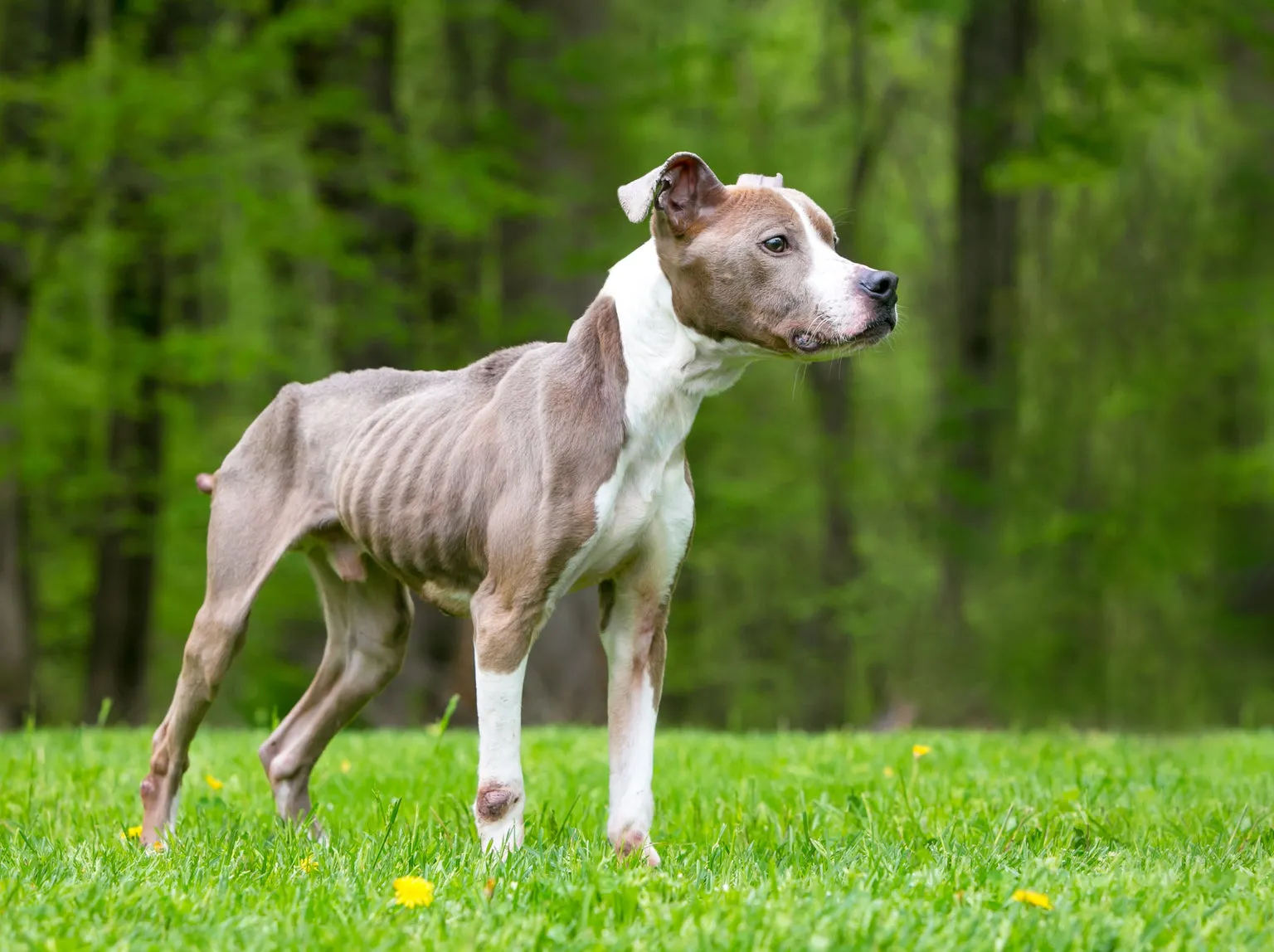
Maybe your dog’s back legs look a little thinner than they used to, or their spine and hips feel bonier when you give them a pet. If you’ve noticed your dog losing muscle mass, you’re not alone.
It’s a common change, especially as dogs get older, and there’s often plenty you can do to help.
In this guide, we’ll explain what muscle loss in dogs is, why it happens, the signs to look for and how the right mix of movement, nutrition and joint support can help keep your dog strong.
What Is Muscle Atrophy in Dogs?

Muscle atrophy is the medical term for muscle wasting, when muscle tissue shrinks and weakens over time. It can affect the whole body or just one area, such as a single leg after an injury.
In dogs, muscle loss most often shows up first in the back legs, hips, shoulders and along the spine. Because these muscles support the joints and power every step, losing them can make it harder for your dog to walk, climb stairs or get up after a nap.
It can also become a cycle: less muscle means less movement, and less movement leads to even more muscle loss.
Common Causes of Muscle Loss in Dogs
If you’re wondering, “Why is my dog losing muscle?” there are a few common culprits...
Aging
As dogs get older, their bodies naturally build and maintain muscle less efficiently. Senior dogs often lose muscle gradually, starting with the back legs.
Inactivity
Muscles need regular use to stay strong. Dogs recovering from surgery, on crate rest or simply slowing down can lose muscle surprisingly quickly.
Joint pain

Stiff, achy joints make movement uncomfortable, so dogs move less. Over time, this lack of activity leads to muscle wasting, especially around the affected joints.
Illness
Some health conditions can cause muscle loss, including hormonal problems, nerve or spinal issues, and diseases that affect appetite or how the body uses nutrients.
Poor nutrition
A diet that doesn’t provide enough high-quality protein or calories can leave your dog without the building blocks needed to maintain muscle.
Signs to Watch For
Muscle loss can happen slowly, so it’s easy to miss. Look out for:
- Thinner back legs or thighs.
- A more noticeable spine, hip bones or shoulder blades.
- Difficulty standing up, especially after resting.
- Trouble with stairs, jumping into the car or onto furniture.
- Weakness, wobbling or tiring quickly on walks.
- One leg looking smaller than the other.
A simple tip: run your hands over your dog’s body every few weeks. Comparing both sides and noticing changes early makes it easier to act sooner. If muscle loss is sudden, affects one side only or comes with other symptoms like weight loss or changes in appetite, check in with your vet.
Can You Reverse Muscle Loss in Dogs?
In a lot of cases, you can most of the time. Or, you can at least slow it down. How much muscle your dog can regain depends on the cause, their age and how early you start.
Muscle lost from inactivity or recovery after surgery often comes back well with gradual, consistent exercise. Age-related muscle loss is harder to fully reverse, but the right support can help senior dogs hold on to the strength they have and stay mobile for longer. If an underlying illness is to blame, treating that condition is usually the first step.
The key is to work with your vet to find the cause, then build a plan that combines movement, nutrition and joint comfort.
The Role of Joint Supplements

Joint supplements don’t build muscle directly, but they can play an important supporting role. Here’s why: when joints feel comfortable, dogs are more willing to walk, play and climb, and that regular activity is exactly what keeps muscles strong.
When choosing a joint supplement, look for ingredients such as:
- Glucosamine and Chondroitin to support healthy cartilage.
- Omega-3 fatty acids for their natural anti-inflammatory properties.
- MSM to support connective tissue.
- Hyaluronic Acid to help support joint lubrication.
Give supplements consistently, as benefits build over time, and check with your vet before starting anything new.
Nutrition and Exercise Tips
Prioritize quality protein
Choose a complete, balanced food with high-quality animal protein listed first. Senior dogs may benefit from a diet designed for their life stage, so ask your vet what’s right for your dog.
Keep them at a healthy weight
Extra pounds put more strain on joints, while being underweight can mean your dog isn’t getting enough fuel to maintain muscle.
Walk little and often
Several short, steady walks a day are better than one long one, especially for older dogs. Gentle hills can help strengthen the back legs.
Swimming and underwater treadmill sessions build strength without stressing the joints.
Add simple strength moves
Sit-to-stand repetitions, slow walks over low obstacles and gentle balance exercises can help rebuild muscle at home. A canine physical therapist can tailor a routine to your dog.
FAQs
Why is my dog losing muscle in their back legs?
Muscle loss in the back legs is one of the most common changes dog parents notice, particularly in older dogs. The hind legs do much of the work of moving the body, so they’re often the first place weakness shows. Common causes include aging, reduced activity, joint stiffness in the hips or knees, and nerve or spinal problems.
When movement becomes uncomfortable, dogs naturally use those legs less, and the muscles shrink as a result. Keeping your dog gently active, supporting joint comfort and feeding a protein-rich diet can all help. If the change is sudden or uneven, contact your vet.
How long does it take to rebuild muscle in dogs?
Rebuilding muscle can take a few weeks to several months, depending on your dog’s age, health and the cause. Younger dogs regaining strength after an injury or period of rest may show improvement within a few weeks of consistent exercise. For senior dogs, progress is usually slower, and the goal is often to maintain strength rather than fully rebuild it.
Consistency matters more than intensity, so short, regular sessions work best. Combining gentle exercise with good nutrition and joint support gives your dog the best chance of success. Your vet or a canine physical therapist can help set realistic goals.
When should I see a vet about my dog losing muscle mass?
See your vet if your dog’s muscle loss is sudden, affects only one side of the body or keeps getting worse despite regular exercise. It’s also important to book an appointment if muscle loss comes with other changes, such as weight loss, increased thirst, reduced appetite, limping, weakness or reluctance to move. These can point to an underlying health problem that needs treatment.
Even gradual, age-related muscle loss is worth mentioning at your dog’s next checkup. Your vet can find the cause, rule out serious conditions and recommend the right combination of diet, exercise and supplements to support your dog.
To Sum Up
A dog losing muscle mass is a common sign of aging, inactivity, joint discomfort or an underlying health issue, but it’s rarely something you have to just accept.
Spotting the signs early, getting your vet’s input and combining regular low-impact exercise, quality nutrition and consistent joint support can help your dog stay stronger and more mobile.