Health Issues in Senior Dogs: Common Problems, Symptoms, and Care Tips
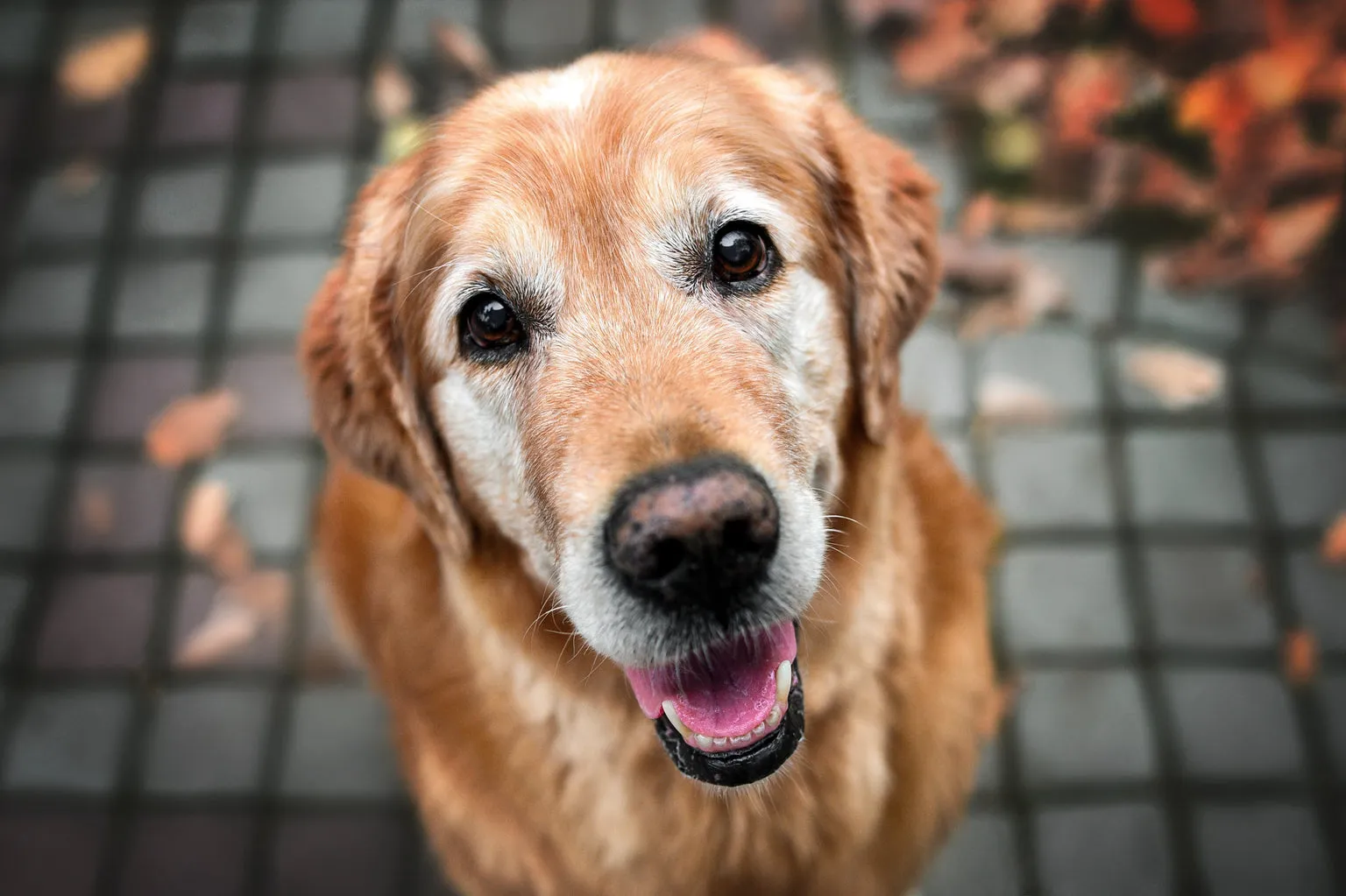
If you're looking to know more about health problems in senior dogs, you've come to the right place.
As our dogs get older, jut like how we have age-related problems, so do they.
In this guide, we cover it all; what the most common types of health problems in senior dogs you're likely to come across are, the symptoms of these problems and some top tips on how to properly care for them.
Common Health Issues in Senior Dogs
First off, how common is it that a senior dog will develop an issue? According to the Journal of Internal Veterinary Medicine, 1 in 4 senior dogs develop disease within 2 years, even if they appear healthy. So, it's pretty common.
As for the common senior dog health issues themselves, let's get into it…
Arthritis and Joint Pain in Senior Dogs
You may have already heard about arthritis for humans, but it's one of the most common health issues in senior dogs. Why? Well, the cartilage in the joint can naturally wear down over time.
Cartilage, synovial fluid and other tissue are all key parts of a healthy joint that is able to absorb impact well. When this is compromised, movement can feel stiffer and discomfort can become more apparent.
You might notice your dog is slower to get up, reluctant to climb stairs, or less enthusiastic about walks they used to enjoy. While arthritis can't be reversed, there's a great deal that can be done to support comfort and mobility as dogs age.
Dental Diseases in Older Dogs
Dental issues are also quite common health problems in senior dogs. But, it's usually overlooked. As dogs age, they can tend to have a degree or build-up, tartar and gum inflammation.
Dogs teeth are also hard to manage and it can often be down to the dog owner to take full control of their teeth. Try to catch these issues as quickly as you can, because it'll help in the long run.

Signs to watch out for include: Bad breath, difficulty chewing, dropping food, or pawing at the mouth. Routine dental check-ups, professional cleanings where recommended by your vet, and at-home dental hygiene habits can all play a big role in supporting your senior dog's oral health.
Heart Disease in Senior Dogs
As dogs age, heart disease can become more apparent, too. Some breeds are more predisposed to this; Cavalier King Charles Spaniels, Dachshunds, and Doberman Pinschers.
The most common form in older dogs tends to be chronic valvular disease – where the heart valves gradually become less efficient over time. Early stages may produce no obvious symptoms at all, which is why regular veterinary check-ups are particularly important for senior dogs.
As the condition progresses, signs can include coughing (especially at night), reduced exercise tolerance, faster breathing, or fatigue. Early detection gives your vet the best opportunity to manage the condition effectively.
Kidney Disease in Aging Dogs
The kidneys play a really important role in filtering waste from the bloodstream, and their function can get worse as they get older.
Early warning signs can include increased thirst and urination, reduced appetite, weight loss, and lethargy. Routine bloodwork and urinalysis – typically recommended at least annually for dogs over seven – are the most reliable way to catch kidney changes early.
Diabetes in Senior Dogs
Diabetes in dogs happens when the body either doesn't produce enough insulin or can't use it effectively. This can lead to elevated blood sugar levels.
It's more common in middle-aged to senior dogs, and some breeds – including Samoyeds, Australian Terriers, and Miniature Schnauzers – appear to be more genetically predisposed to diabetes. Unspayed female dogs also have a higher risk.
Common signs include increased thirst and urination, weight loss despite a good appetite, and cloudy eyes.
While diabetes requires ongoing veterinary management – typically including daily insulin injections and dietary adjustments – many dogs go on to live full, comfortable lives with the right care in place.
Vision and Hearing Loss in Older Dogs
Gradual changes to vision and hearing are a natural part of aging.

Nuclear sclerosis – a bluish-gray haziness in the lens of the eye – is quite common in dogs over six and generally has minimal impact on vision, but it can be confused with cataracts, which are a separate condition and can affect sight more significantly.
Hearing loss tends to develop slowly, so dogs can often compensate well before owners notice a problem. Signs include; not responding to their name, being harder to wake, or startling more easily.
Both conditions are worth discussing with your vet to tell the difference between normal aging changes from those that may require treatment.
Signs and Symptoms of Senior Dog Health Issues
Behavioral Changes in Senior Dogs
As dogs age, their behavior is usually one of the earliest signs that something has changed – physically, cognitively, or emotionally.
An older dog that suddenly seems withdrawn, confused, more clingy, or unusually irritable may be responding to discomfort, sensory decline, or the early stages of canine cognitive dysfunction, sometimes referred to as doggy dementia.
Sleep patterns can change, too.

Some senior dogs can become restless at night or sleep more heavily during the day. Any notable change in your dog's personality or behavior is worth mentioning to your vet, as it can be an important piece of the overall health picture.
Mobility Issues and Stiffness in Senior Dogs
Stiffness and reduced mobility are some of the most visible signs of aging in dogs.
You might notice your dog taking longer to get up after lying down, moving more cautiously on stairs, or showing a reluctance to jump onto furniture they previously had no trouble with.
Cold weather and rest after exercise can both make stiffness more pronounced. These changes are often linked to joint degeneration, muscle loss, or arthritis – all of which become more common as dogs get older.
Keeping a note of when and how often you observe these changes can be genuinely useful information to share with your veterinarian.
Weight Loss or Gain in Older Dogs
Unexpected changes in body weight are also a common and important sign of senior dog health issues.
Weight loss can point to a whole range of underlying issues – including dental pain making eating uncomfortable, digestive upset, kidney or liver disease, diabetes, or cancer.
Weight gain, on the other hand, is often linked to reduced activity levels, hypothyroidism, or simply a caloric intake that hasn't been adjusted as your dog has slowed down.

Because both directions of change carry significance, it's worth weighing your senior dog regularly and flagging any consistent trend – even a gradual one – to your vet sooner rather than later.
Changes in Appetite and Thirst in Older Dogs
The differences in how much your dog eats or drinks can be super subtle at first, but they're worth paying close attention to in senior dogs.
A combination of an increase in thirst and urinating more are classic early signs of conditions like kidney disease, diabetes, or Cushing's disease – all of which are usually more common with age.
Reduced appetite, on the other hand, may actually be more to do with dental discomfort, nausea, organ changes, or simply a slowing metabolism. Some variation from day to day is normal, but a consistent change over several days or weeks warrants a veterinary conversation.
Keeping a rough mental note of your dog's normal intake makes these changes easier to spot.
Aging Dog Care
Senior Dog Health Checkups
Regular vet checkups become really important as your dog gets older.
Most vets recommend moving from annual checkups to twice a year for dogs over seven, and for good reason – conditions like kidney disease, heart disease, and diabetes can develop and progress quickly, and early detection significantly widens the options available for management.
A typical senior wellness exam will often include a physical examination, bloodwork, urinalysis, blood pressure measurement, and a dental assessment.
Don't wait for obvious symptoms before booking an appointment. In older dogs, by the time a problem is visible on the surface, it has often been developing internally for some time.
Exercise Tips for Older Dogs
Exercise is still really important for senior dogs – the goal shifts from high-intensity activity to consistent, low-impact movement that keeps muscles strong, joints mobile, and weight in a healthy range.
Shorter, more frequent walks are generally better than one long outing that risks overdoing it. Swimming is an excellent option for dogs with joint issues, as it provides meaningful physical engagement without the negative effects of the amount of weight they're putting on their joints.
Pay attention to how your dog moves during and after exercise – slowing down, lagging behind, or stiffness the following morning are all signs the intensity or duration may need adjusting.
Supplements for Senior Dog Health
Nutritional supplements are widely used by dog parents looking to support their aging dog's health alongside a balanced diet and regular veterinary care.
Joint supplements containing Glucosamine, Chondroitin, and MSM are among the most commonly used, with the aim of supporting cartilage health and comfortable movement in older dogs.
Omega-3 fatty acids – particularly those sourced from fish oil – are another popular choice, given their role in supporting skin, coat, joint, and cognitive health. Probiotics may also be beneficial for senior dogs whose digestive efficiency has changed with age.
Always discuss any new supplement with your vet before introducing it, particularly if your dog is already on medication.
Pain Management Options for Senior Dogs
Managing pain effectively is one of the most important aspects of caring for an older dog, and the good news is that there are more options available today than ever before.
Conventional pain management typically includes non-steroidal anti-inflammatory drugs (NSAIDs), which are commonly prescribed for conditions like arthritis, and newer medications targeting specific pain pathways.
Beyond pharmaceuticals, vet-recommended complementary approaches can include hydrotherapy, physiotherapy, laser therapy, acupuncture, and targeted weight management to reduce load on affected joints.
The right combination will depend on your individual dog's diagnosis, overall health, and tolerance – which is why pain management in senior dogs is best approached as an ongoing conversation with your vet rather than a one-time decision.
FAQs
What are the early warning signs of serious health issues?
Knowing what to look for can make a meaningful difference in how quickly a health issue is identified and addressed.
In senior dogs, the warning signs most worth acting on promptly include sudden or unexplained weight loss, persistent coughing or labored breathing, swollen abdomen, collapse or extreme weakness, blood in urine or stool, seizures, and significant changes in thirst or urination.
Lumps that appear quickly or change in size also warrant veterinary attention without delay. Many serious conditions in older dogs are highly manageable when caught early – the challenge is that dogs instinctively mask discomfort, so visible symptoms often appear later than the underlying issue.
What Are My Options For At-Home Monitoring for Senior Dogs?
One of the most valuable things you can do for an aging dog is build a simple routine of observation. Weigh your dog every two to four weeks and keep a note of the number – gradual weight change is easy to miss day to day but obvious in a log.
Check for new lumps or skin changes during regular grooming. Monitor water intake and bathroom habits, as shifts in either can be an early indicator of systemic change. Note any differences in how your dog moves, sleeps, or interacts.
This kind of consistent, low-effort monitoring gives your vet far better information to work with at each checkup.
Which Questions to Ask My Vet About Senior Dog Health?
Getting the most out of a senior wellness visit often comes down to asking the right questions. Consider asking: How often should my dog be seen at this stage of life? Are there any early signs of concern in today's results?
Which bloodwork or screening is recommended for their age and breed? How do I know if my dog is in pain? What changes to diet or exercise would you recommend now? Are there any supplements worth considering? What signs should prompt me to call before the next scheduled visit?
Writing these down before the appointment ensures nothing important gets missed in the moment.
To Sum Up
Health problems in senior dogs are common, but they don't have to be overwhelming.
Most of the conditions that affect aging dogs – from joint pain and dental disease to kidney issues and behavioral changes – are manageable when caught early through regular vet visits and consistent at-home monitoring.
Stay observant, act quickly on changes, and work closely with your vet to give your senior dog the best possible quality of life.