Why is my dog stiff after sleeping? If you're wondering this and think it's something out of the ordinary, think again. It's actually quite common, but it's not common knowledge.
Just like humans, dogs can feel a little rusty early in the AM. But differently to us, there are some reasons that only apply to our furry friends. So, let's get into everything you need to know about dogs and their stiffness after sleeping…
Why Is My Dog Stiff After Sleeping? 5 Possible Reasons
Morning aches aren't ideal – for you or your pup. So, what actually makes them feel stiff? There's a few reasons…
Reason 1 – Aging and arthritis
According to a study conducted by Scientific Reports, approximately 80% of dogs over the age of 8 suffer from osteoarthritis, making it the primary cause of joint stiffness and mobility loss in senior dogs.
Many owners first ask 'why is my dog stiff after sleeping?' when they notice their senior pet struggling to get up in the morning. If you know anything about Osteoarthritis, you'll know that when a dog is sedentary, it can actually lead to more inflammation.
Dog breeds that are prone to arthritis include; German Shepherds, Golden Retrievers and Labradors, Great Danes, Rottweilers, Bernese Mountain Dogs, Dachshunds, Basset Hounds, English Bulldogs and American Staffordshire Terriers.

Reason 2 – Muscle Stiffness From Resting
When a dog sleeps, they can often become cooler in temperature, because their heart rate drops. These muscles aren't receiving the same blood flow that they would if they were active. So, the muscle fibers start to tighten.
This should usually improve within a couple of minutes. It's one of the most common reasons why your dog is stiff after sleeping, and thankfully one of the most straightforward to address.
There's a fluid in a dog's joint, called the synovial fluid. When a dog is moving and active, this fluid is in good health and able to properly support the different parts of the joint properly.
So, when a dog is asleep, the synovial fluid can thicken and become more of a 'gel' texture. This usually just takes a few minutes to get warmed up again. So, when you’re asking yourself ‘Why is my dog stiff after sleeping?’ – this is a key scientific reason to keep in mind.

Reason 3 – Cold Temperatures
If the air is colder, a process called vasoconstriction happens – where their blood vessels and therefore the standard amount of blood flow tends to reduce. Their muscles become colder and less flexible.
Older dogs tend to feel the cold more for a few reasons; it naturally becomes harder to maintain their internal body temperature when they're older, their skin is usually thinner and less elastic (less insulation), the rate they can process things slows down (A.K.A. their metabolism) and they're usually prone to issues like arthritis, which can cause them a lot of pain and is where their energy is focused on.
Where they sleep also matters. Usually, if a dog is indoors in a dog bed, they're able to experience more of a regular temperature. If a dog sleeps outside, the temperature is more likely to differ quite a bit.
Reason 4 – Overexertion or Exercise Strain
Sometimes, a dog can overexert themselves if they've stepped on something in a strange position or just exercised too much. In this instance, their muscles could have been overused and they may need repair time. When they're overused, they're usually sore. So, the stiffness comes about as a result of these muscles not being able to work as they usually would.
Some dogs can get delayed-onset muscle soreness, which is essentially a discomfort that comes about 2 days after a new exercise or movement or a movement they're just not used to doing. Human athletes can get this, too.
Signs include; walking stiffly, "bunny hopping", shifting their weight onto one side or their back legs, sitting lazily, hesitation to go up stairs, jump, play or taking shorter strides. Additional signs include paw licking, hot to touch sore areas and areas where you can literally see their tissue thickening underneath their coat.

Reason 5 – Underlying Medical Conditions
If a dog has a condition, like hip dysplasia, Intervertebral disc disease (IVDD), Lyme disease or other infections, then this can usually contribute to why my dog is stiff after sleeping.
Is It Normal for My Dog to Be Stiff After Sleeping?
It's tricky to answer, because dogs can experience stiffness as they naturally age, which is normal. But, there is stiffness due to conditions and some of the reasons above, like overexertion that suggest it's not so normal.
Either way, there are a few things you can keep in mind.
- Is it short-term or long-term stiffness? Short-term is usually around 2-3 days, whereas long-term is every day.
- How old are they? Are they just reaching a more senior age now or are they too young to experience this in your opinion?
- Is it mild stiffness or pain? If it's mild stiffness, they'll usually be able to move normally within 5 minutes, use all four legs with equal weighting, carry their normal spirit and move without vocalizing. If it's pain, they don't have a warm-up period, their stiffness worsens as they move, they're more irritable, grumpy or acting out more than usual, they're licking their joints more or they refuse to go up the stairs.
Let's check in with a professional to see why exactly one of the most common experiences, licking, occurs. "Dogs lick at areas of the body that hurt because they instinctively think they can clean it off. Similarly to when they are dirty, they lick off the uncomfortable dirt," says Dr. Valerie Henry, DVM.
How to Help a Stiff Dog After Sleeping
If you're still asking ‘why is my dog stiff after sleeping?’, the good news is there's plenty you can do to help.
Gentle Movement and Warm-Up
Sometimes all it takes is a gentle movement to get them feeling less stiff. Try slower walks and stretching – which you'll find most vet recommending to you, too.
Comfortable Sleeping Surfaces
Why not try to make their sleeping environment as comfortable as possible. Look into orthopedic beds and proper joint support, like specialized harnesses, ramps for the home or look into adding yoga mats on the floor that cover their regular routes.
Warmth and Environment
Try to keep their sleeping environment as warm as possible. You could even look into a dog sweater or heated beds (only with the proper safety accreditations, of course).
Diet and Supplements
When it comes to diet, it's important to keep it balanced, packed with protein and fiber. The better balanced and precisely portioned their food, the healthier their weight. A dog should be lean in body composition, not overweight or underweight.
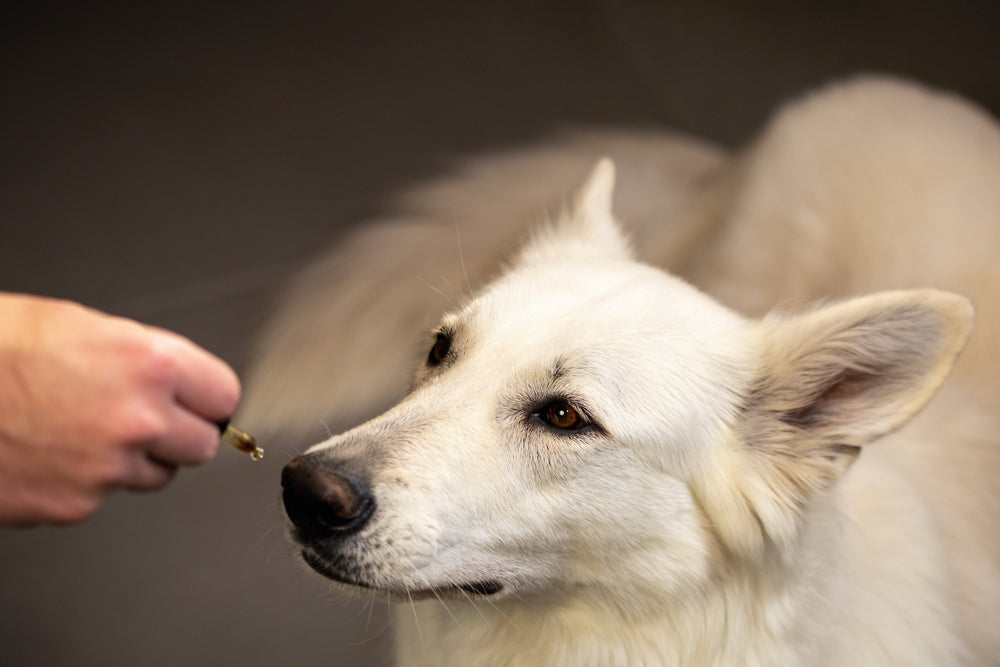
When it comes to joint supplements, try to look for supplements that contain Chondroitin, Glucosamine and MSM. These are the main, effective ingredients that work hard in the joint health world.
To Sum Up
So, why is my dog stiff after sleeping? From the causes of stiffness in dogs to the routes you can take to help, we've covered it all. If you're concerned about anything, consult your vet, as they'll be able to provide you with the right diagnosis.