Why Do Dogs Eat Grass? What's Normal and When to Worry
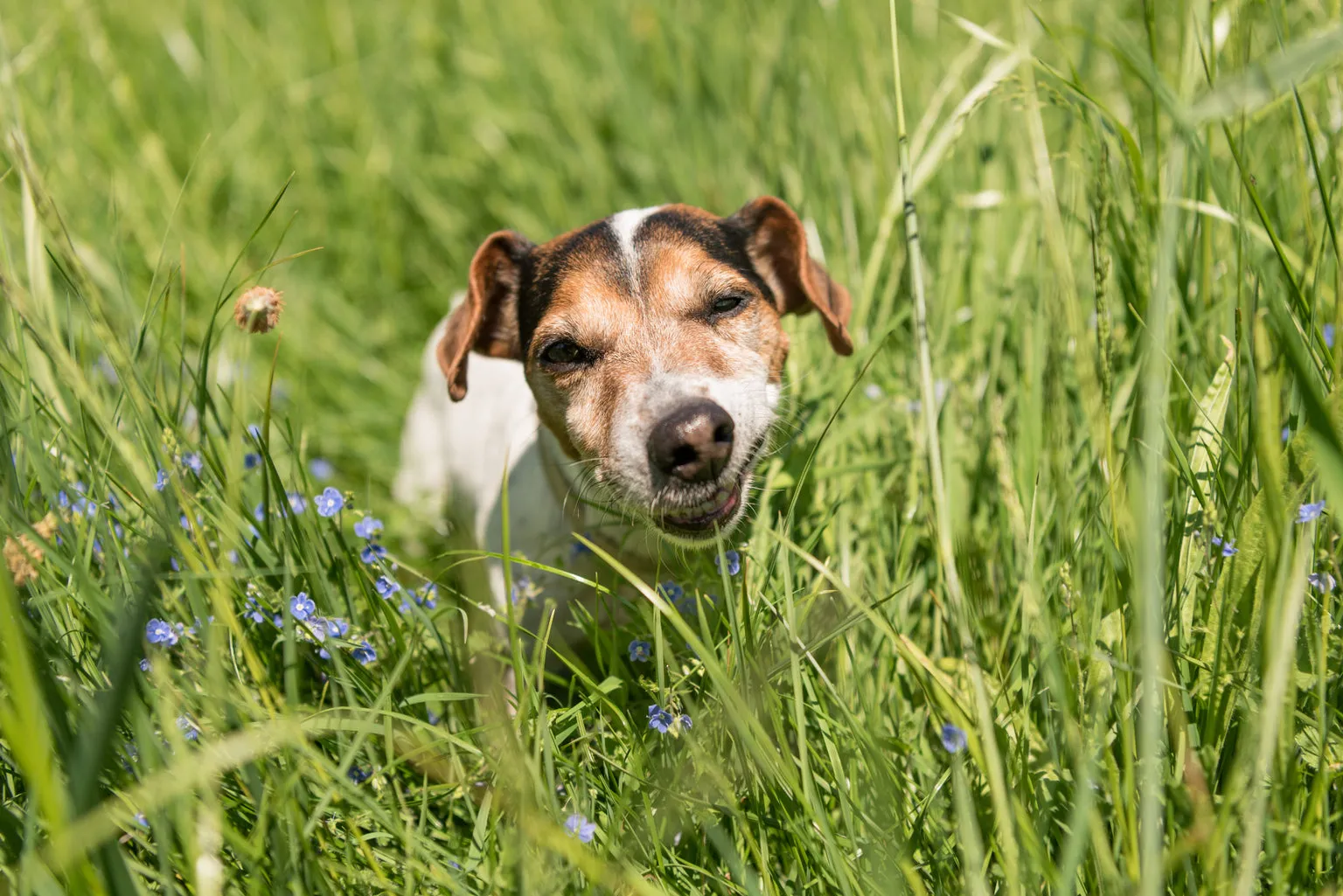
Dogs do a lot of crazy things and eating grass is one of them. Why, exactly do they do it? There's a few reasons. They might like the taste and texture, just feel bored, have an upset stomach, or want to follow their genetically programmed scavenging instinct.
What you do need to know, is that in most cases, a dog eating grass is completely normal and there's usually nothing to worry about.
It's only a concern when it comes with other signs, like repeated vomiting, diarrhea, a sudden change in behavior, or when the grass has been treated with chemicals.
Here's what's going on when your dog heads for the lawn, how to keep grazing safe, and when it's worth calling your vet.
Why Do Dogs Eat Grass? 6 Common Reasons

1. They actually like it.
Plenty of dogs just enjoy the taste and crunch of fresh grass, especially the tender new shoots that appear in spring. For these dogs, grass is just a snack.
2. It's in their nature.
Dogs descend from scavengers that ate a little of everything, including plants. Nibbling grass is a natural behavior that many dogs keep, even on a complete diet.
3. Boredom.
A dog without enough exercise or mental stimulation will often find their own entertainment. Chewing grass in the backyard is an easy way to pass the time.
4. An unsettled stomach.
Some dogs seem to seek out grass when their tummy feels off. Dog parents often notice their dog gulping long blades quickly, rather than nibbling slowly, when this is the case.
5. Something missing from their diet.
Some dog parents notice less grazing after a diet change, and many people connect grass eating with a craving for more fiber. If your dog grazes a lot, it's worth checking that their food is complete and well balanced.
6. Stress or attention seeking.
Anxious dogs sometimes chew grass to self-soothe. Others learn that eating grass gets an instant reaction from their parent, so they keep doing it. If you think stress is the trigger, look out for other signs of stress in dogs.
Why Does My Dog Eat Grass and Then Throw Up?
It's a common belief that dogs eat grass to make themselves sick. In reality, most dogs that eat grass don't vomit afterward.
When vomiting does happen, it can work both ways. A dog with an upset stomach may eat grass and then bring it up. In other cases, long blades of grass can tickle the throat and stomach, causing the vomiting themselves.
An occasional episode isn't usually a worry. If your dog eats grass and throws up regularly, or seems unwell between episodes, their digestion may need a closer look.
Our guide to dog gut health explains what a healthy gut looks like and how to support it. Many dog parents add a daily probiotic, like Wuffes Probiotic Chews, to help support their dog's digestion.
Is It Safe for Dogs to Eat Grass?

Plain, untreated grass is generally safe for dogs in small amounts. The risks usually come from what's on or around the grass:
- Lawn chemicals. Fertilizers, weed killers and pesticides can make dogs sick if swallowed.
- Toxic plants. Some common garden plants and weeds are poisonous to dogs, so make sure your dog isn't nibbling more than grass.
- Parasites. Grass in shared spaces can carry worm eggs from other animals' poop. Keep up with your dog's regular parasite prevention.
- Sharp or seeded grasses. Some wild grasses have seed heads that can get stuck in a dog's throat, nose, ears or paws.
Your own untreated backyard is the safest place for a grazing dog. Be more careful in parks, on roadside verges and in neighbors' yards, where you don't know what's been sprayed.
Puppy Grass Eating: Is It Normal?

Yes, puppy grass eating is very common. Puppies explore the world with their mouths, so chewing grass, sticks and leaves is part of how they learn. Teething can make chewing feel especially good, too. If you're looking for a more information, check out our guide to puppy teeth.
Because puppies don't know what's safe, they need closer supervision than adult dogs. Teach a simple "leave it" command early, and swap grass for a safe chew toy when you catch them grazing. Speak to your vet if your puppy eats grass and then has vomiting or diarrhea, since young puppies can become dehydrated quickly.
How to Stop Your Dog Eating Grass
You don't need to stop occasional, harmless grazing. If your dog eats a lot of grass, or you walk in areas that may be treated, these steps can help:
- Add more exercise and play. Longer walks, puzzle feeders and training games tackle boredom.
- Teach "leave it." Reward your dog for turning away from the grass and coming back to you.
- Keep walks moving. A shorter leash in grassy areas makes it harder to stop and graze.
- Check their diet. Make sure your dog's food is complete and balanced. Our guide to dog diet and gut health covers what to look for.
- Offer safe alternatives. Some dog parents grow a small pot of dog-safe grass at home, so their dog can graze without the chemical risk.
When to See a Vet About Your Dog Eating Grass
Call your vet if your dog's grass eating comes with any of these signs:
- Vomiting more than once or twice, or vomiting blood.
- Diarrhea that lasts more than a day or two.
- Loss of appetite or weight loss.
- Low energy or signs of pain, like a hunched back or sensitive belly.
- A sudden, frantic urge to eat grass that's new for your dog.
- Drooling, trembling or other signs they may have eaten something toxic.
If diarrhea is the main concern, our article on dog diarrhea home remedies also explains when to seek help.
FAQs
Is it normal for my dog to eat grass every day?
Yes, eating a little grass every day can be normal, especially if your dog nibbles calmly, seems healthy and doesn't vomit afterward. Some dogs just enjoy grass as a tasty daily snack. Daily grazing is more worth checking if it's new, if your dog eats large amounts quickly, or if it comes with vomiting, diarrhea, low energy or a change in appetite.
Boredom and diet can also play a part, so make sure your dog gets enough exercise and complete, balanced food. If you're unsure whether your dog's habit is normal, your vet can rule out any underlying health problems.
Does eating grass help dogs with an upset stomach?
Eating grass may make some dogs feel better when their stomach is upset, but it isn't a reliable remedy. Some dogs instinctively reach for grass when they feel nauseous, and bringing it back up may ease their discomfort for a while.
However, grass doesn't treat the cause of an upset stomach, and long blades can sometimes irritate the gut and lead to more vomiting. If your dog keeps eating grass because of tummy trouble, it's better to find out why. Look at their diet and daily routine, consider digestive support, and see your vet if the upset doesn't settle quickly.
How long after spraying the lawn is it safe for a dog that eats grass to go outside?
The safe waiting time depends on the product, so always follow the instructions on the label of your fertilizer, weed killer or pesticide. Most product labels give a specific period to keep pets off the grass, and many advise waiting at least until the product has fully dried.
For dogs that eat grass, it's sensible to wait longer than the minimum, since they swallow the grass as well as walking on it. Water the lawn if the label recommends it, and rinse your dog's paws afterward. If a lawn care company treats your yard, ask them for pet-safe options. If you're ever in doubt, ask your vet.
To Sum Up
Dogs eat grass for many reasons, from enjoying the taste to boredom, instinct or an unsettled stomach. For most dogs, it's a harmless habit. Keep your dog away from treated lawns and toxic plants, give them plenty of exercise and a balanced diet, and keep a closer eye on puppies.
If grass eating comes with repeated vomiting, diarrhea, low energy or a sudden change in behavior, it's time to check in with your vet.