Why Is My Dog Vomiting After Exercise? Causes & How to Stop It
Exercise is a fun and important part of your dog's life, but it's crucial to do it right. By paying attention to your dog's limits, ensuring proper hydration and allowing time for digestion, you can prevent vomiting and keep your dog healthy and happy.
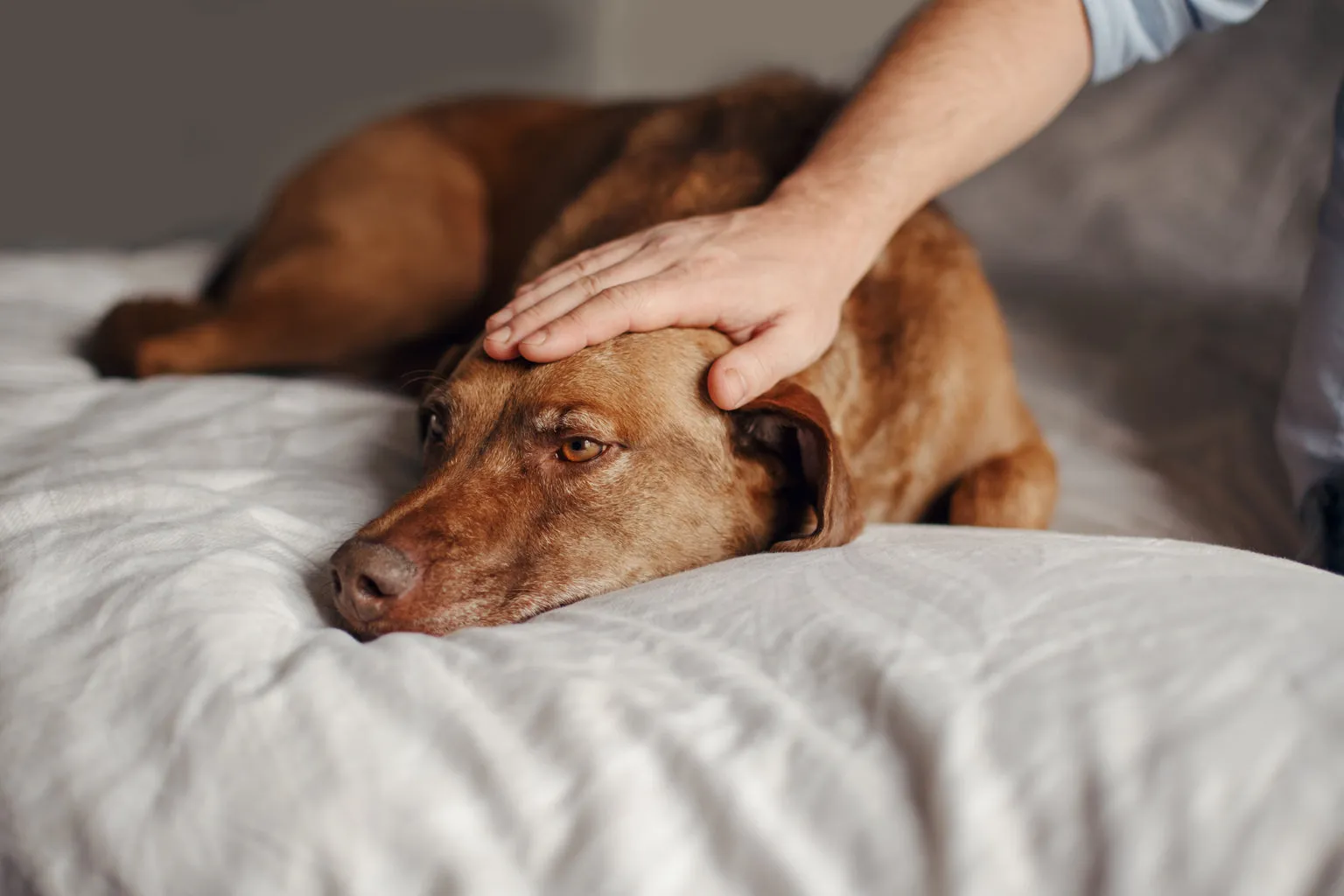
Exercise is a key part of your dog's daily routine, keeping them fit, happy, and healthy. However, not all activities are ideal for every dog.
Sometimes, strenuous exercise can cause more harm than good, especially if it's done improperly. One common issue many dog owners face is dog vomiting after exercise.
Why Do Dogs Vomit After Exercise?
Just like us, dogs need time to properly digest their food. When they engage in intense physical activity right after eating, their stomachs may struggle to break down food efficiently. This can lead to an upset stomach, and in some cases, vomiting.
Here are some common reasons why dogs throw up after exercise:
1. Exercising Too Soon After Eating
If your dog exercises vigorously before their meal has had time to digest, food can slosh around in their stomach, which may trigger nausea. Additionally, their stomach may produce extra acid in an attempt to break down the food, leading to acid reflux – an uncomfortable and potentially harmful condition for dogs.

2. Dehydration
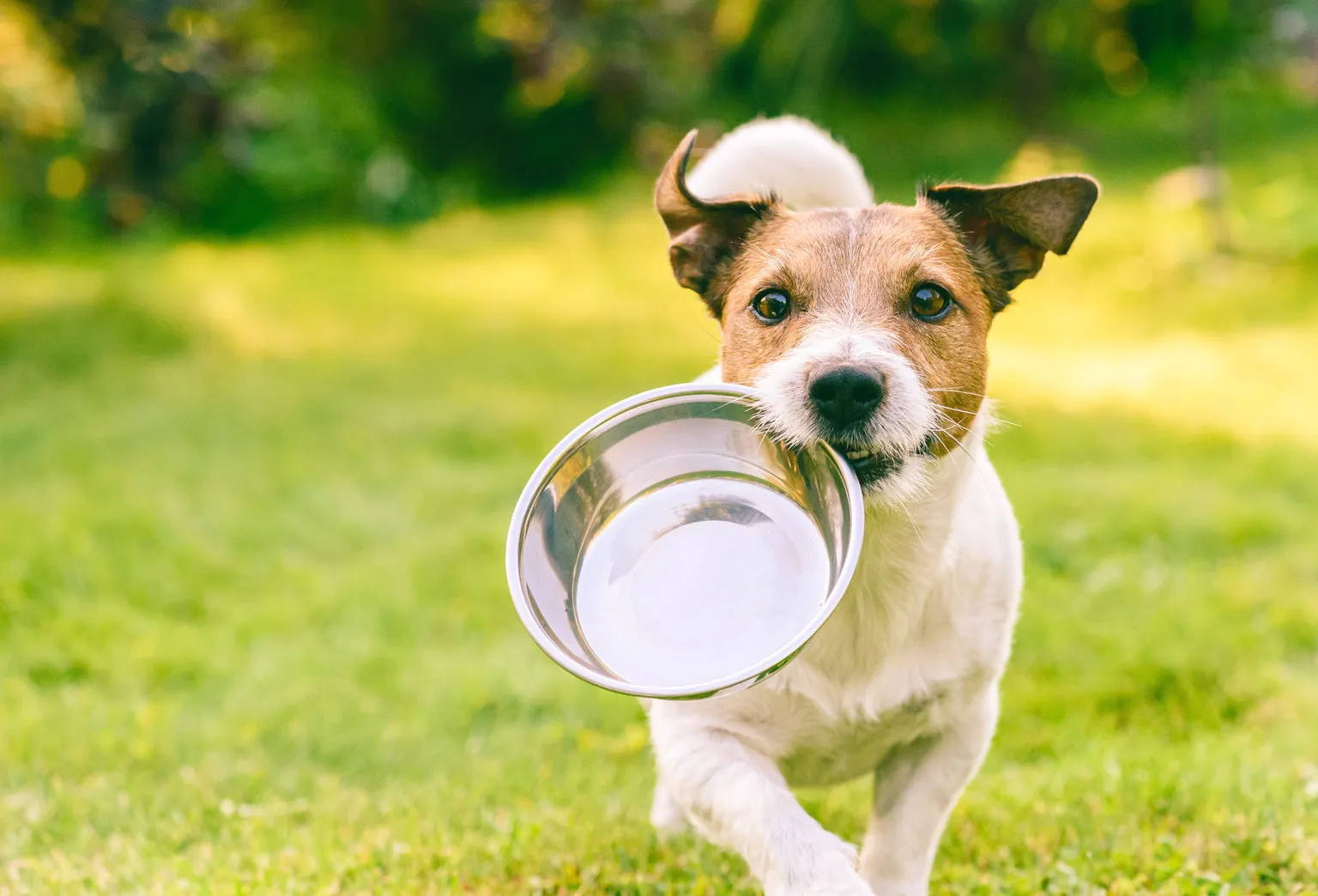
Sometimes dogs get so caught up in their play that they forget to drink water. Without proper hydration, your dog may become overheated or dizzy, which can lead to nausea and vomiting.
Ensuring your dog has access to water during and after exercise is essential. Dehydration is one of the leading causes of a dog being sick after a walk or run, particularly in warmer weather.

3. Overexertion
Not all dog breeds are built for strenuous activity. Breeds like Havanese, English Bulldogs, Shih Tzus, Maltese and Pugs tend to have lower stamina than more active breeds.
If they're pushed beyond their limits, they can become overly tired and stressed, leading to vomiting after running or other health issues. Overexertion can also increase the risk of injuries like fractures or muscle strain.
4. Joint Health and Exercise
If your dog's joints aren't in great shape, they may be more prone to issues during physical activity. Dogs with poor joint health may compensate with abnormal movement patterns, placing additional stress on their body during exercise.
Keeping their joints healthy and strong through proper dog supplements and care can help them handle exercise better and reduce the risk of vomiting or other problems.
How Can You Prevent Dogs Vomiting After Exercise?
Preventing vomiting after exercise is simpler than you might think. With a little patience and a few adjustments to your routine, you can try to make sure your dog stays healthy and enjoys their physical activities.
1. Feed Smaller Portions
Avoid overfeeding your dog, especially before exercise. Large meals can increase the likelihood of digestive issues and vomiting. If your dog tends to throw up after eating and exercising, splitting their daily food into two smaller meals can significantly reduce the risk.
2. Allow Time for Digestion
It's important not to exercise your dog right after they eat. Start with gentle activities like a slow walk to help them warm up. Wait at least an hour after eating before engaging in any strenuous activity. It's also a good idea to let your dog take water breaks every 15 minutes to stay hydrated.
3. Use Digestive Supplements
Adding dog digestive supplements to your dog's diet can make a big difference. Look for probiotics for dogs, which help support healthy digestion and ensure your dog is absorbing essential nutrients.
Dog multivitamins that include organic fiber, such as vegetable fiber and starch, can also aid in digestion and help reduce the likelihood of an upset stomach after activity.

4. Avoid Overexertion
Pay attention to your dog's breathing patterns during exercise. If they start panting heavily or seem out of breath, it's time to slow down or switch to a gentler activity. Pushing your dog too hard can lead to both physical and digestive stress.
FAQs
Why does my dog vomit immediately after exercise?
If your dog vomits immediately after exercise, the most likely cause is that they exercised too soon after eating. When a dog engages in vigorous activity on a full stomach, the digestive process is disrupted. Food and gastric acid slosh around, triggering nausea.
In some dogs, the physical exertion itself can cause a stress response that activates the gag reflex. Brachycephalic breeds (flat-faced dogs like Bulldogs and Pugs) are especially prone to this due to their restricted airways. The fix is straightforward: Wait at least 60 minutes after a meal before any intense physical activity and stick to smaller portions before exercise.
Is it normal for dogs to throw up after a run?
Occasional vomiting after running is relatively common and is usually not a cause for serious alarm – particularly if it happens once and your dog seems fine afterward. However, it is not something to ignore or accept as routine. If your dog is regularly sick after running, it signals an underlying issue: Poor meal timing, dehydration, overexertion or a digestive sensitivity that needs addressing.
Consistent post-run vomiting should be discussed with your veterinarian to rule out conditions like exercise-induced gastritis or bloat (GDV), which is a medical emergency. Tracking when it happens and what your dog ate beforehand will help your vet diagnose the cause faster.
What should I do if my dog throws up after exercise?
If your dog throws up after exercise, stay calm and monitor them closely. Allow them to rest in a cool, shaded area and offer small amounts of water to rehydrate – avoid letting them gulp large quantities at once, as this can make nausea worse. Withhold food for one to two hours to let their stomach settle.
Check for other symptoms like lethargy, repeated vomiting, a swollen or distended abdomen or signs of pain. If any of these are present, contact your veterinarian immediately, as bloat (gastric dilatation-volvulus) can develop rapidly and is life-threatening. A single isolated episode in an otherwise healthy dog is typically not an emergency.
Can dog supplements help prevent vomiting after exercise?
Yes – the right dog supplements can meaningfully support digestive health and reduce exercise-related vomiting. Probiotics for dogs help maintain a healthy gut microbiome, improving how efficiently your dog breaks down food and absorbs nutrients. This is especially valuable for dogs prone to digestive upset after activity.How long after eating should I wait before exercising my dog?
The general veterinary recommendation is to wait at least 60 minutes after a meal before engaging your dog in any moderate to intense exercise and ideally two hours after a large meal. This gives the digestive system enough time to begin breaking down food without the disruption of vigorous movement.
For large and giant breeds – who are more susceptible to gastric dilatation-volvulus (bloat) – some vets recommend waiting up to two to three hours. If your schedule requires feeding and exercising in close succession, consider splitting your dog's daily food into two smaller meals and scheduling walks between them. A light stroll shortly after eating is generally fine; running, fetch or agility work is not.
To Sum Up
Exercise is a fun and important part of your dog's life, but it's crucial to do it right. By paying attention to your dog's limits, ensuring proper hydration and allowing time for digestion, you can prevent vomiting and keep your dog healthy and happy.
Just remember, a little care goes a long way in making sure exercise is safe and enjoyable for both of you.