Yeast Infection in Dogs: Symptoms, Causes, and Treatment
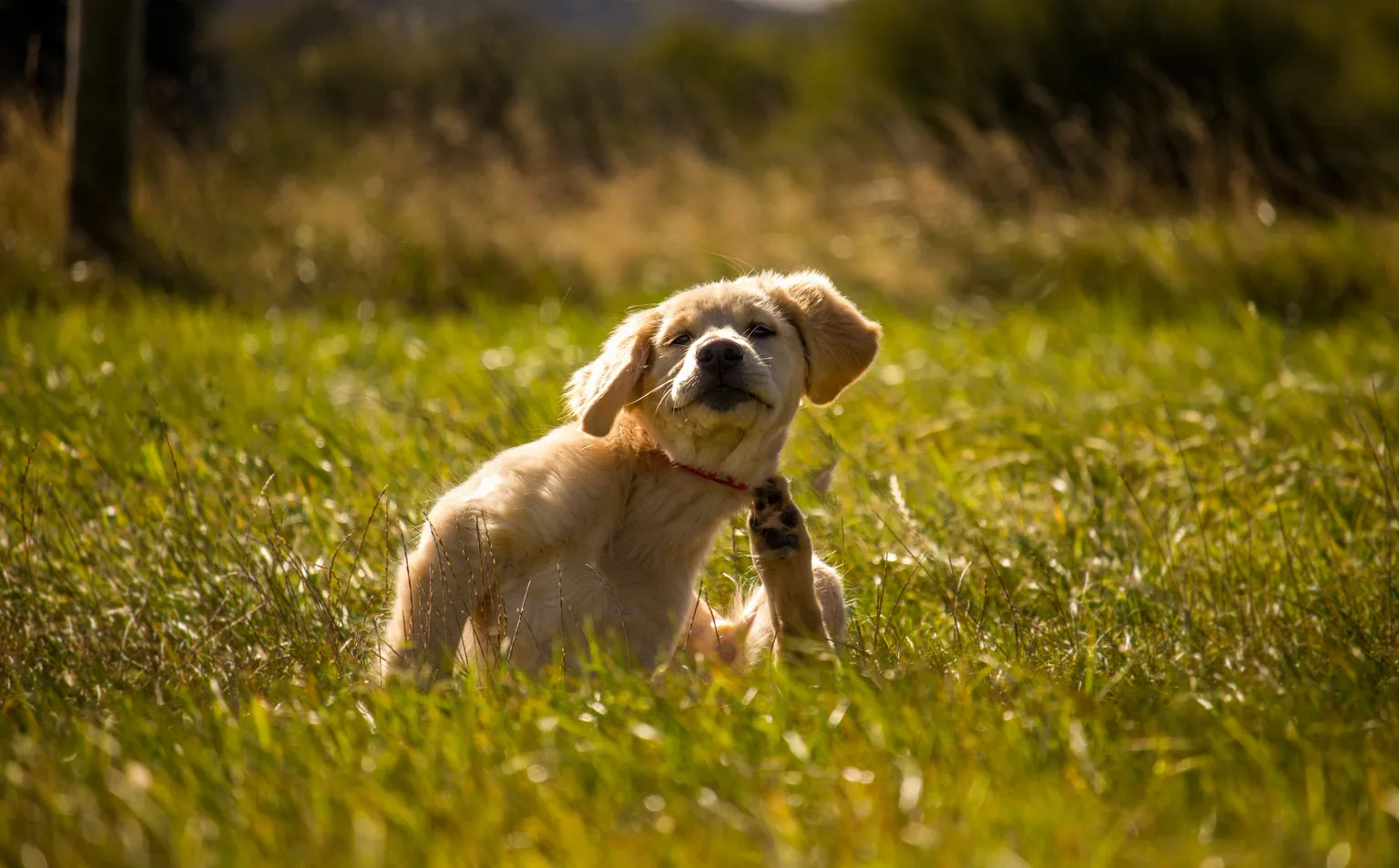
Yeast is a naturally occurring fungus found on your dog's skin and coat. In healthy amounts, it usually causes no issues.
But, when conditions shift – warmth, moisture, a weakened immune system – yeast can multiply quickly, leading to a yeast infection that causes real discomfort for your dog.
Yeast infections in dogs are more common than many pet owners realize and they're frequently misdiagnosed as allergies or dry skin. Knowing what to look for can help you get your dog the right care, faster.
What is a Yeast Infection in Dogs?
A yeast infection in dogs is caused by an overgrowth of Malassezia pachydermatis, which is a type of fungus that naturally lives on the skin.
When the skin's environment becomes too moist, warm or imbalanced – often due to allergies, hormonal changes, antibiotic use or a compromised immune system – yeast multiplies faster than the body can control it.
Yeast infections most commonly occur in:
- Ears – the most frequent site of yeast overgrowth in dogs
- Paws and between the toes – especially in dogs that lick their feet
- Skin folds – the face, neck, armpits, and groin
- Underbelly and tail base
Any dog can develop a yeast infection, but breeds with floppy ears (Basset Hounds, Cocker Spaniels), skin folds (Bulldogs, Shar Peis), or known allergy issues (Labrador Retrievers, Golden Retrievers) are at higher risk.
Signs and Symptoms of a Yeast Infection in Dogs
Recognizing a yeast infection early can prevent it from becoming a serious problem.
The most common signs of a yeast infection in dogs include:
- Intense itching – scratching, rubbing or chewing at the affected area
- Musty or "corn chip" odor – one of the most telling signs, especially from the ears or paws
- Redness and inflammation – skin may look irritated, raw or darkened
- Crusty, flaky or greasy skin – often described as elephant-like skin in chronic cases
- Thickened or discolored skin – long-term infections can cause hyperpigmentation
- Hair loss (alopecia) – particularly in dogs with thick coats
- Ear discharge – yellow, brown or dark wax-like discharge with a strong smell
- Head shaking or ear scratching – a key indicator of a dog ear yeast infection
- Swollen or tender paws – especially between the toes, often with brown staining from saliva

If you notice your dog becoming lethargic, losing their appetite or showing behavioral changes alongside these skin symptoms, the infection may have progressed and veterinary attention is needed. Book an appointment with them as soon as you can.
What Causes Yeast Infections in Dogs?
Yeast infections don't appear randomly. They're typically triggered by an underlying imbalance. Common causes include:
Allergies – environmental allergies (pollen, mold, dust mites) and food allergies both disrupt the skin's natural barrier, creating conditions where yeast thrives. This is the most common root cause.
Antibiotic use – antibiotics kill bacteria – including the beneficial bacteria that help keep yeast in check. A yeast overgrowth can follow a course of antibiotics.
Hormonal disorders – hypothyroidism and Cushing's disease both suppress immune function, making dogs more susceptible to skin infections including yeast.
Moisture and anatomy – dogs with heavy skin folds, long floppy ears or who swim frequently trap moisture that creates a perfect breeding environment for yeast.

Diet – a diet high in sugar or simple carbohydrates may contribute to yeast overgrowth in some dogs, though the research on this is still evolving.
Weakened immune system – any condition or medication (such as corticosteroids) that suppresses immune function increases yeast infection risk.
How to Treat a Yeast Infection in Dogs
Treatment depends on the severity and location of the infection. Always consult your veterinarian before starting treatment – what looks like a yeast infection could be a bacterial infection, mange or an allergic reaction and these require different approaches.
Veterinary Treatments
Your vet may recommend:
- Medicated shampoos – antifungal shampoos containing ketoconazole, miconazole or chlorhexidine are a frontline treatment for skin yeast infections. Regular bathing with these shampoos disrupts the yeast's ability to survive on the skin
- Topical antifungals – sprays, creams or wipes applied directly to the affected area
- Ear treatments – medicated ear drops or flushes for dog ear yeast infections
- Oral antifungals – for severe or widespread infections, oral medications like fluconazole or itraconazole may be prescribed
- Treating the root cause – if allergies are driving the yeast infection, your vet may recommend allergy testing, a dietary elimination trial or allergy management medication

Supporting Your Dog's Recovery at Home
Prescription treatment works best when paired with good home care. Here's what you can do:
Keep the area clean and dry
After baths or swims, dry your dog thoroughly – especially inside skin folds and between the toes. Moisture is yeast's best friend.
Feed a balanced diet
Nutrition plays a direct role in immune function and skin health.
A diet appropriate for your dog's age, weight and health status gives the body the resources it needs to fight infection and heal.
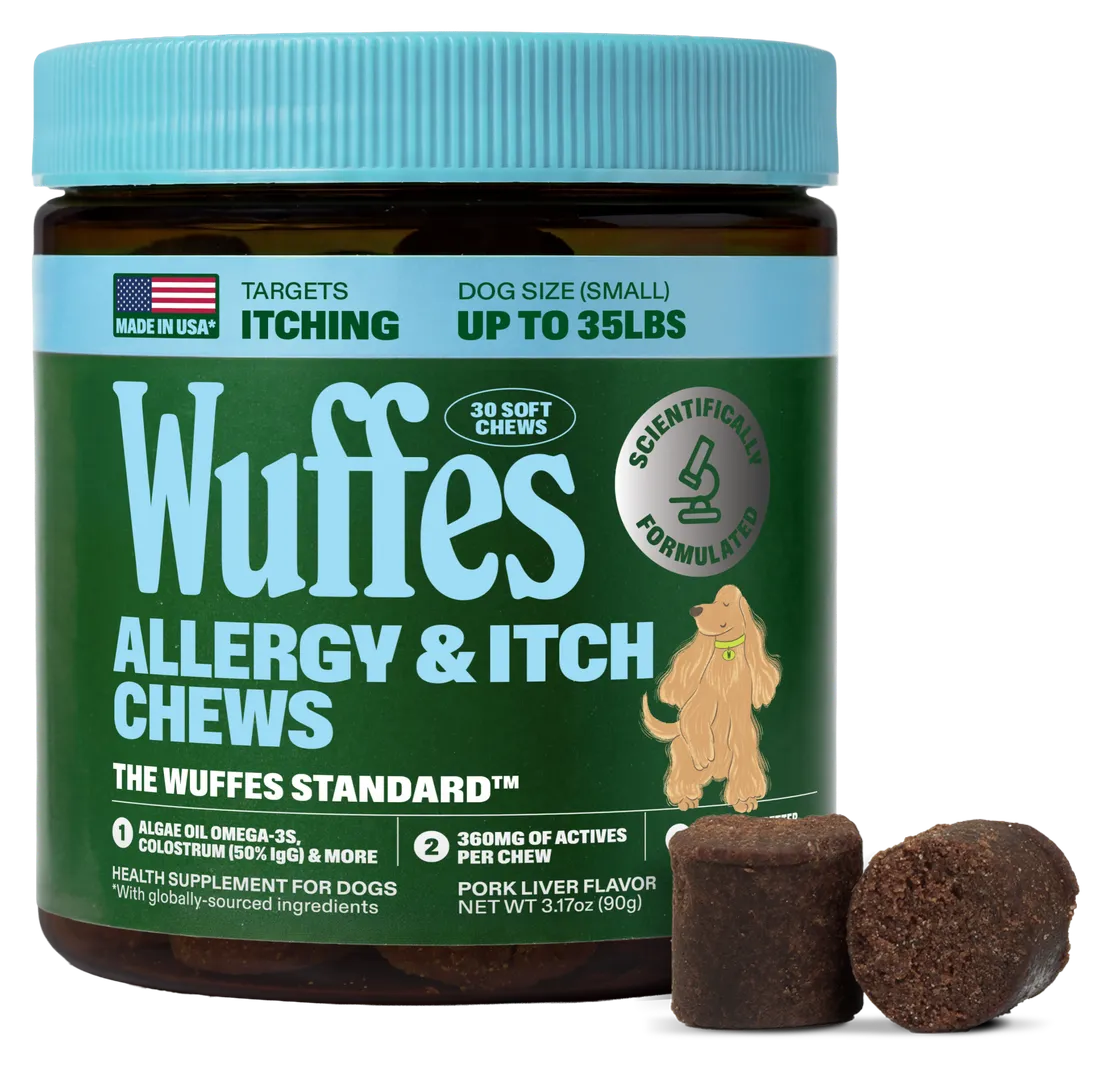
Support skin health with targeted nutrition
Nutrients like Vitamin E, Vitamin A, Vitamin C, collagen and manganese support skin healing and immune function.
A quality multivitamin formulated for dogs can help ensure your dog isn't missing the building blocks their skin and immune system need – particularly useful during recovery.
Add Omega-3 fatty acids
Fish oil rich in EPA and DHA supports healthy inflammatory pathways and promotes a strong skin barrier.
A stronger skin barrier means yeast has a harder time taking hold. A high quality fish oil supplement for dogs can make a meaningful difference in skin and coat condition over time.
Keep your dog active.
Regular, appropriate exercise supports circulation, immune health and overall wellbeing. If your dog is uncomfortable due to a skin infection, joint supplements can help them stay mobile and comfortable while they recover.
Can Yeast Infections in Dogs Spread or Become Dangerous?
Mild yeast infections are generally not dangerous if treated promptly. However, left untreated, they can:
- Progress from localized to widespread skin involvement
- Lead to secondary bacterial infections (pyoderma) – which are harder to treat
- Cause chronic skin thickening and permanent damage in severe cases
- Result in hearing loss if ear infections are left unaddressed
Yeast infections do not spread from dogs to other dogs or to humans under normal circumstances, though people with severely compromised immune systems should practice good hygiene when handling an infected dog.
When to See a Vet
See your veterinarian if your dog:
- Has symptoms that haven't improved within a few days of home hygiene measures
- Is in significant discomfort – excessive scratching, crying or inability to settle
- Has ear symptoms including discharge, strong odor or apparent pain
- Has recurring yeast infections (this points to an underlying condition that needs diagnosis)
- Shows signs of a secondary bacterial infection – open sores, yellow or green discharge, swelling
Recurring yeast infections are a red flag. They're almost always a symptom of something else – most commonly allergies – and managing that underlying issue is the only way to stop the cycle.
FAQs
How do I know if my dog has a yeast infection or a bacterial infection?
Yeast infections and bacterial infections can look quite similar, which is why a vet diagnosis really matters. Yeast infections typically produce a distinctive musty or "corn chip" odor and cause greasy, crusty or darkened skin.
Bacterial infections are more likely to produce yellow or green discharge, pustules and a more intensely inflamed appearance. Both can occur at the same time – secondary bacterial infections can often develop when a dog scratches and break their skin over a yeast infection.
Your vet can confirm the cause with a simple skin cytology test. This essentially involves examining a skin sample under a microscope.
Can a dog's diet cause yeast infections?
Diet can play a role in your dog's susceptibility to yeast infections, particularly if underlying food allergies are present. Allergies to common proteins like chicken, beef or dairy can disrupt the skin's natural barrier, creating conditions where yeast thrives.
Some veterinary and holistic sources suggest that diets high in simple carbohydrates may contribute to yeast overgrowth, though the evidence for this is limited.
A balanced, high-quality diet supports immune function and skin health – both of which help the body keep yeast populations in check. If your dog has recurring yeast infections, a dietary elimination trial may be worth discussing with your vet.
How long does it take for a yeast infection to clear up in dogs?
Most mild to moderate yeast infections respond to treatment within two to four weeks, provided the treatment is used consistently and any underlying cause is addressed. Ear infections may resolve faster with appropriate ear drops. Severe or widespread infections — or those with a secondary bacterial component – can take longer, sometimes six to eight weeks of treatment.
If you stop treatment as soon as symptoms disappear rather than completing the full course, the infection is likely to return. Chronic or recurring yeast infections may never fully resolve until the root cause, such as allergies or a hormonal disorder, is properly managed.
Are certain dog breeds more prone to yeast infections?
Yes. Breeds with physical traits that trap moisture or reduce airflow to the skin are significantly more susceptible to yeast infections. Dogs with floppy ears – including Basset Hounds, Cocker Spaniels, Labrador Retrievers and Poodles – are usually prone to ear yeast infections.
Breeds with heavy skin folds – such as Bulldogs, Shar Peis and Pugs – frequently develop yeast in those folds. Dogs with known allergy issues, including Golden Retrievers, Boxers and West Highland White Terriers, are also at higher risk because allergies disrupt the skin barrier. That said, any dog of any breed can develop a yeast infection given the right conditions.
Can I treat my dog's yeast infection at home without seeing a vet?
For very mild cases – mild itching with no signs of pain, open sores, ear involvement or progression – careful hygiene may help. Keep the area clean and dry, using a vet-recommended antifungal shampoo and ensure your dog's diet and immune system are well-supported.
However, most yeast infections require proper antifungal medication to resolve and treating without a diagnosis risks missing a bacterial infection or underlying condition that needs different treatment.
Home treatment alone is frequently ineffective and can allow the infection to worsen. If symptoms don't improve within a few days or are moderate to severe, a vet visit is the faster and safer path to your dog feeling better.
To Sum Up
Yeast infections in dogs are uncomfortable, persistent and easy to miss until they've escalated. The good news is that with the right veterinary treatment, good hygiene practices and nutritional support, most dogs recover well. The key is acting early and addressing the root cause – not just the symptoms.
If your dog keeps getting yeast infections, work with your vet to identify the trigger. A recurring yeast infection isn't bad luck – it's a signal your dog's body is asking for more support.