Taking care of your dog is involves a lot. They need good nutrition, regular exercise and plenty of love. But, here's a question a lot of dog parents find themselves asking: "Can I just give my dog the vitamins I already have at home?"
It's a totally reasonable thought. But, before you start splitting your daily multivitamin with your pup, there are some important things you need to know. The short answer? Human vitamins are generally not safe for dogs – and in some cases, they can be seriously harmful.
Let's break it all down so you can make the best decision for your furry best friend.

Is It Safe for Dogs to Take Human Vitamins?
Not really – and here's why. While vitamins serve similar functions in both humans and dogs, the amounts and specific forms required can vary dramatically between species. What's a healthy daily dose for a 150-pound adult human could be way too much for a 30-pound dog.
Before you consider any kind of supplementation for your dog, your first call should always be to your veterinarian. They can run bloodwork, assess your dog's current diet and tell you whether additional supplementation is even necessary. In many cases, a high-quality dog multivitamin formulated specifically for canines is all that's needed – no guesswork required.

What Are the Risks of Giving Your Dog Human Vitamins?
There are a few real risks here that every dog owner should be aware of:
Toxicity from too-high doses
Many human vitamins contain dosages that are simply too strong for dogs. Fat-soluble vitamins – like Vitamins A, D, E and K – are especially dangerous because they build up in your dog's body over time rather than being flushed out.
Vitamin D toxicity in dogs is a particular concern. Even moderate overconsumption can cause serious health problems, including kidney damage.
Accidental ingestion
Dogs are curious and they don't know the difference between a treat and a supplement bottle. If you keep human vitamins within reach, there's always a risk your pup helps themselves.
This is why all medications and supplements should be stored in a secure, dog-proof cabinet.

Specific formulations can be dangerous
Some human vitamins are particularly problematic for dogs. Prenatal vitamins, for example, contain high levels of iron that can cause iron toxicity in dogs. Gummy vitamins often contain xylitol – an artificial sweetener that is extremely toxic to dogs, even in small amounts. Always read the label before assuming something is safe.
What Vitamins Are Safe for Dogs?
The safest and most effective approach is to choose vitamins for dogs that are specifically formulated for canine physiology. A good dog multivitamin is designed with your pup's unique nutritional needs in mind. The right vitamins, in the right amounts, in forms their bodies can actually use.
Here's what a quality dog vitamin supplement should support:
- Nutritional balance – especially important for dogs on homemade diets or food that doesn't quite cover all the bases
- Immune function – to help your dog stay healthy and resilient all year round
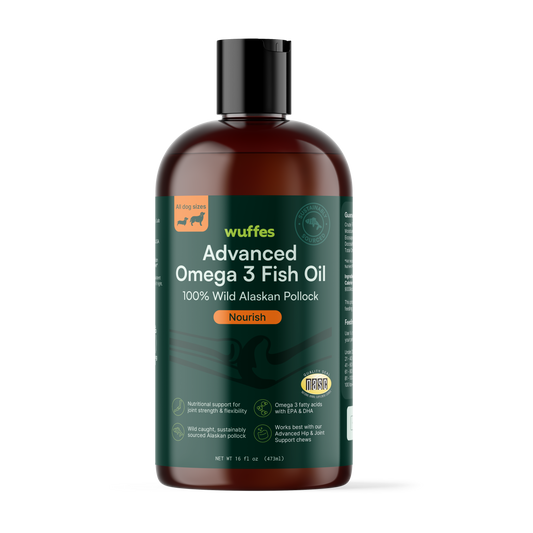
- Skin and coat health – Omega-3 fatty acids are a big one here
- Joint and mobility support – especially as dogs age
- Digestive health – a strong gut means better nutrient absorption overall
The best multivitamins for dogs also come in formats that make daily supplementation easy. Think soft chews or powder toppers that your dog actually wants to eat, rather than supplements you have to hide in peanut butter.
FAQs
Can I give my dog a human multivitamin?
It's generally not recommended to give your dog human multivitamins. Human multivitamins are formulated for adult humans – not dogs – and the dosages are often far too high for a dog's body to handle safely. Fat-soluble vitamins like A, D, E and K are especially risky because they accumulate in your dog's system rather than being excreted.
Some human multivitamins also contain ingredients like xylitol or high levels of iron that are toxic to dogs. The safest option is always a multivitamin designed specifically for dogs – ideally chosen with input from your veterinarian based on your dog's size, age, and health needs.
What happens if a dog eats a human vitamin by accident?
If your dog accidentally eats a human vitamin, don't panic – but do act quickly. The severity depends on the type of vitamin, the dosage and the size of your dog. Fat-soluble vitamins like Vitamin D can be particularly dangerous in even moderate amounts, potentially causing symptoms like vomiting, lethargy or loss of appetite.
Contact your veterinarian or an animal poison control hotline immediately. Have the vitamin bottle on hand so you can describe exactly what was ingested. Quick action gives your vet the best chance to help your dog before any serious symptoms develop. Prevention is always better – store all supplements safely out of reach.
What vitamins do dogs actually need?
Dogs actually need a range of vitamins to stay healthy, including Vitamins A, B-complex, C, D, E and K, along with essential minerals like calcium, phosphorus and zinc. Most dogs who eat a complete, commercially prepared dog food will get the majority of these nutrients from their diet.
However, gaps can still exist – particularly in dogs on homemade diets, senior dogs with changing nutritional needs or dogs recovering from illness. A high-quality dog multivitamin can help fill those gaps safely.
Always consult your vet before adding any supplement to your dog's routine to make sure you're targeting the right nutrients.
Are gummy vitamins safe for dogs?
No – gummy vitamins are one of the most dangerous human supplements you can accidentally expose your dog to. Why? It's because a lot of gummy vitamins contain xylitol, which is an artificial sweetener that is highly toxic to dogs and can cause a rapid drop in blood sugar (hypoglycemia) and liver failure, even in small amounts.
Beyond xylitol, gummy vitamins are flavored and chewy, which makes them extremely appealing to dogs – meaning accidental ingestion is a real and common risk. Keep gummy vitamins stored securely out of your dog's reach and always choose supplements specifically formulated and tested for canine safety.
How do I choose the best multivitamin for my dog?
The best dog multivitamin should be tailored to your dog's specific life stage, size and health needs. Look for products that carry third-party quality certifications – such as the NASC (National Animal Supplement Council) quality seal – which indicates the manufacturer meets rigorous standards for safety and quality.
Check that the formula contains a broad spectrum of essential vitamins and minerals and ideally includes beneficial additions like Omega-3 fatty acids for coat health and probiotics for gut support.
Chewable or powder formats tend to be easiest to administer daily. Always run your choice by your vet, especially if your dog has any existing health conditions or takes other medications.
To Sum Up
If you're thinking about adding a vitamin supplement to your dog's routine, skip the human stuff and go straight for a multivitamin designed specifically for dogs. It's safer, more effective and takes the guesswork out of dosing.
As always, check in with your vet before starting any new supplement. They know your dog's health history and can help you choose the right product and dosage for their specific needs.
Your dog depends on you to make the right call – and choosing a dog-specific multivitamin is one of the easiest ways to give them the nutritional support they deserve.